

When buying a new mattress, choosing the mattress material can have a significant impact on how supportive, comfortable, cool and durable your mattress feels over time. In this mattress materials guide, we break down the main types of mattress materials and who each one is best for based on your sleep needs and preferences.
Types of Mattress Materials
There are several main kinds of mattress materials, each with different attributes that may influence your decision. The most popular mattress materials are: innerspring mattresses, latex mattresses, memory foam mattresses, and hybrid mattresses. Inner spring mattresses are comprised of steel coils, covered with a cushioned material for support, bounce and breathability.
Latex mattresses are made of latex, with many 100% natural latex options, great for health-conscious sleepers who are seeking non-toxic mattress options. Memory foam mattresses are made of thick foam with varying levels of firmness. They offer superior body contouring and are great for side-sleepers due to their cradling nature.
Lastly, hybrid mattresses contain a mixture of several different mattress material types, offering the best of many worlds when it comes to the material makeup of a mattress.
Mattress Materials Comparison Table
| Mattress Material | Overall Feel | Pressure Relief | Cooling / Airflow | Motion Isolation | Durability | Price Range | Best For |
|---|---|---|---|---|---|---|---|
| Innerspring | Bouncy, supportive, traditional | Moderate | High | Low | Moderate | Budget to mid-range | Back sleepers, stomach sleepers, hot sleepers, budget shoppers |
| Latex | Responsive, buoyant, gently contouring | Moderate to high | High | Moderate | High | Mid-range to premium | Eco-conscious shoppers, hot sleepers, sleepers wanting durability |
| Memory Foam | Deep contouring, slow-response, cushioning | High | Low to moderate | High | Moderate | Budget to premium | Side sleepers, couples, sleepers wanting pressure relief |
| Hybrid | Balanced, supportive, cushioned | Moderate to high | Moderate to high | Moderate | Moderate to high | Mid-range to premium | Combination sleepers, couples, shoppers wanting a mix of support and comfort |
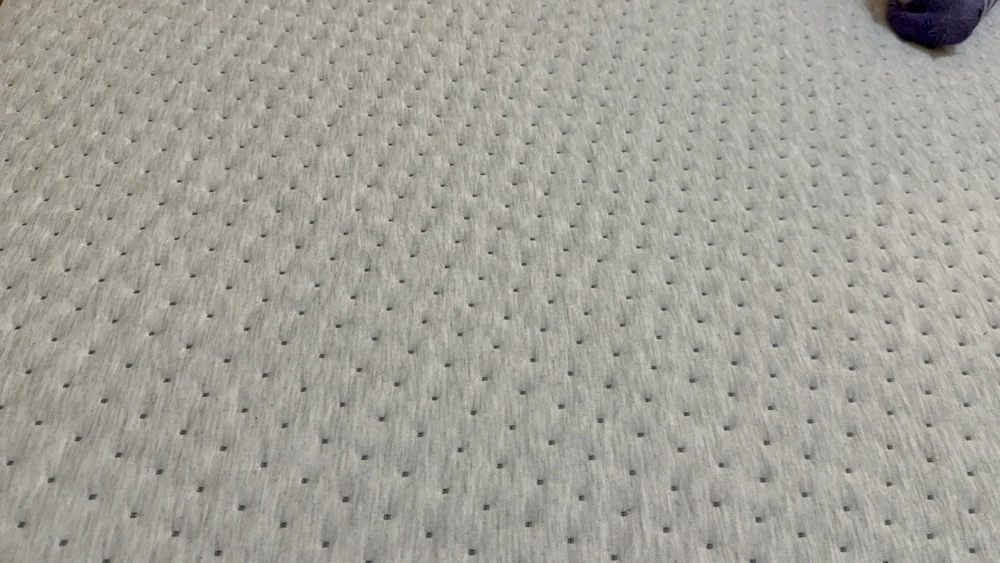
Innerspring Mattress
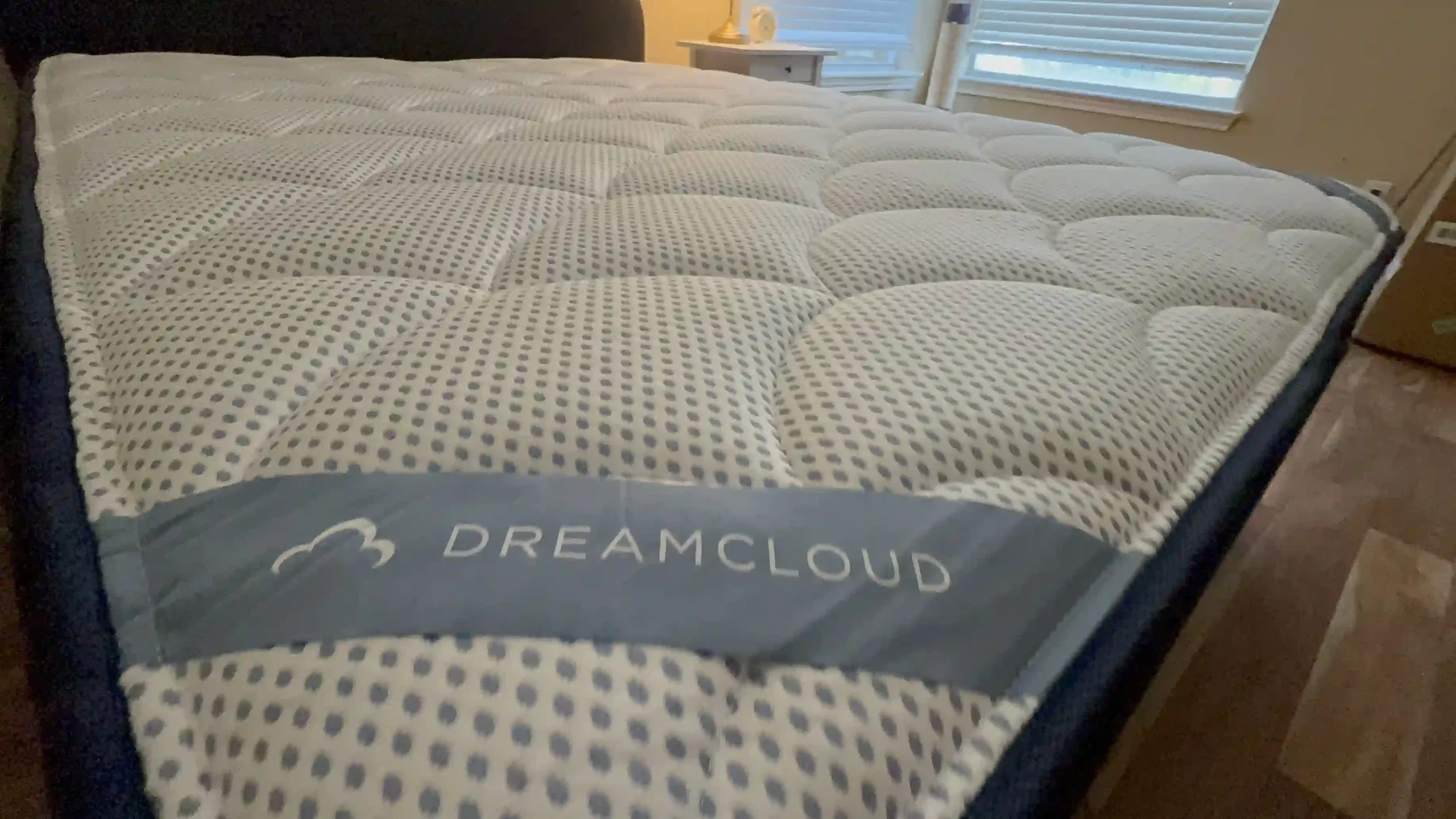
This is the oldest and most widely used type of mattress, and for good reason. The mattress is made up of a steel coil support, which offers bounce and breathability. It generally has the most budget-friendly options, though many companies offer luxury innerspring choices as well.
There are two kinds of innerspring mattresses: the pocket coil mattress and the open coil mattress. The pocket coil mattress has individually wrapped springs, which offer more movement isolation and support when sleeping on the mattress. The open coil mattress is made up of a network of interconnected coils. This offers the sleeper a bouncier and firmer feel, oftentimes at a lower price point. Open coil mattress sleepers have been known to experience more motion transfer on this type of mattress than with other options.
This mattress is best for sleepers who are on a tighter budget when buying a new mattress, or sleep “hot” and want a cooler mattress option, as the coil structure allows for better breathability than some other options.
Pros of Innerspring Mattresses:
- Affordable and accessible — these mattresses are easy to find and lower-cost
- Supportive — the steel coils offer good support for sleepers who want it.
- Multiple options — there are luxury pillow top innersprings, firm top innersprings, and many hybrid versions
- Airflow and breathability — because of their open coils, these mattresses sleep cooler
Cons of Innerspring Mattresses:
- Quality variation — because of their price point, not all mattresses are made to last or made from the best materials.
- Motion transfer — because of the coiled springs, this mattress may not be best for couples who have motion transfer concerns.
- Shorter lifespan — depending on usage, weight of the sleepers, and material construction, innerspring mattresses can wear out or sag faster than other options.
Innerspring Mattresses are Best For:
- Back sleepers or stomach sleepers needing firmer support
- Budget-conscious shoppers who want solid comfort without high cost
- People who prefer a bouncy, traditional mattress feel
- Sleepers who tend to sleep hot and want better airflow
Latex Mattress
This can be an eco-conscious and environmentally friendly mattress option, with many health-conscious sleepers choosing a latex mattress due to its all-natural possibilities. Some latex mattresses are made with synthetic latex materials, but many are made from 100% natural latex, comprised of rubber tree sap, making them a less toxic option that is great for sleepers who are concerned with the health impact of other manufactured mattress materials.
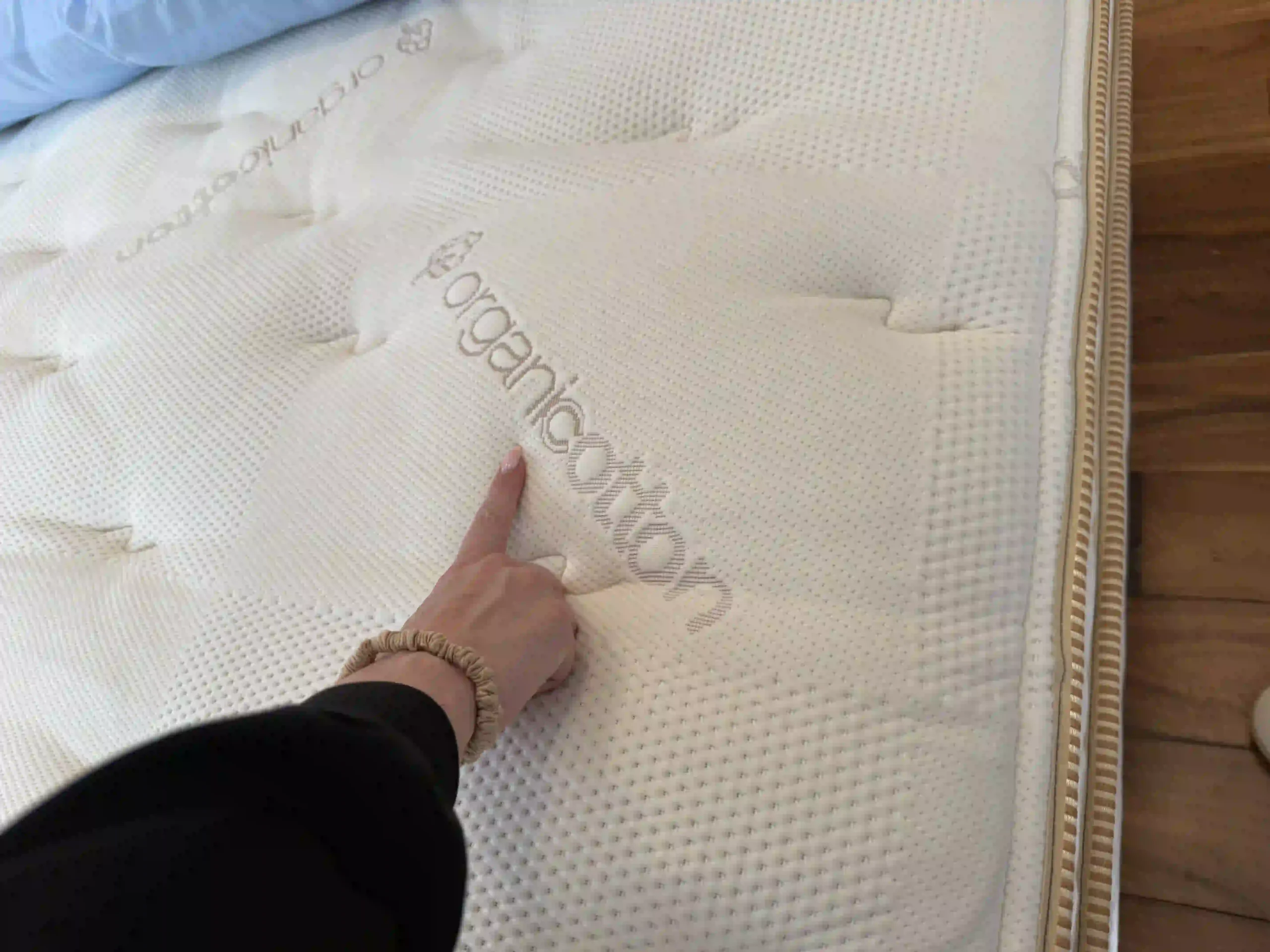
A natural latex mattress is hypoallergenic, eco-friendly and free from synthetic materials. These mattresses are ideal for sleepers with allergies, or those who are conscious of the material makeup of their mattress.
Additionally, latex mattresses are generally paired with organic cotton or wool materials, which avoids toxic materials like synthetic chemicals that need to off-gas before safely sleeping, or fiberglass which has negative health impacts if inhaled. Sleepers who choose a natural latex mattress may be conscious of the health impacts of synthetic or chemical additives.
With sleepers spending approximately one-third of their lives on their mattress, many sleepers find natural materials to be more supportive overall for their health and wellbeing.
There are also synthetic latex mattresses, petroleum-based using Styrene-Butadiene Rubber. Because these materials are not naturally derived, they tend to have an off-gassing period and may release volatile organic compounds (VOCs). This is a period of time where a material must be unused and exposed to the air in order for chemicals and harsh smells to evaporate off the item), and may have a strong odor for a few hours to a few days.
Overall, latex mattresses are a great option for sleepers seeking a contouring and supportive mattress without the sinking feeling and heat of a memory foam mattress. They also return back to their original shape more quickly than memory foam mattresses which makes them more durable and long-lasting over time.
Pros of Latex Mattresses:
- Long-lasting — can outlast foam and innerspring options
- Eco-friendly and less toxic — when made from natural latex, with no off-gassing
- Hypoallergenic & chemical-free — a good option for sleepers with allergies
Cons of Latex Mattresses:
- Higher price point — many options with organic cotton and wool that increase cost
- High firmness — some sleepers report high firmness
Latex Mattresses are best for:
- Eco-conscious shoppers seeking fewer synthetic materials
- May work well for people with chronic back or joint pain
Memory Foam Mattress
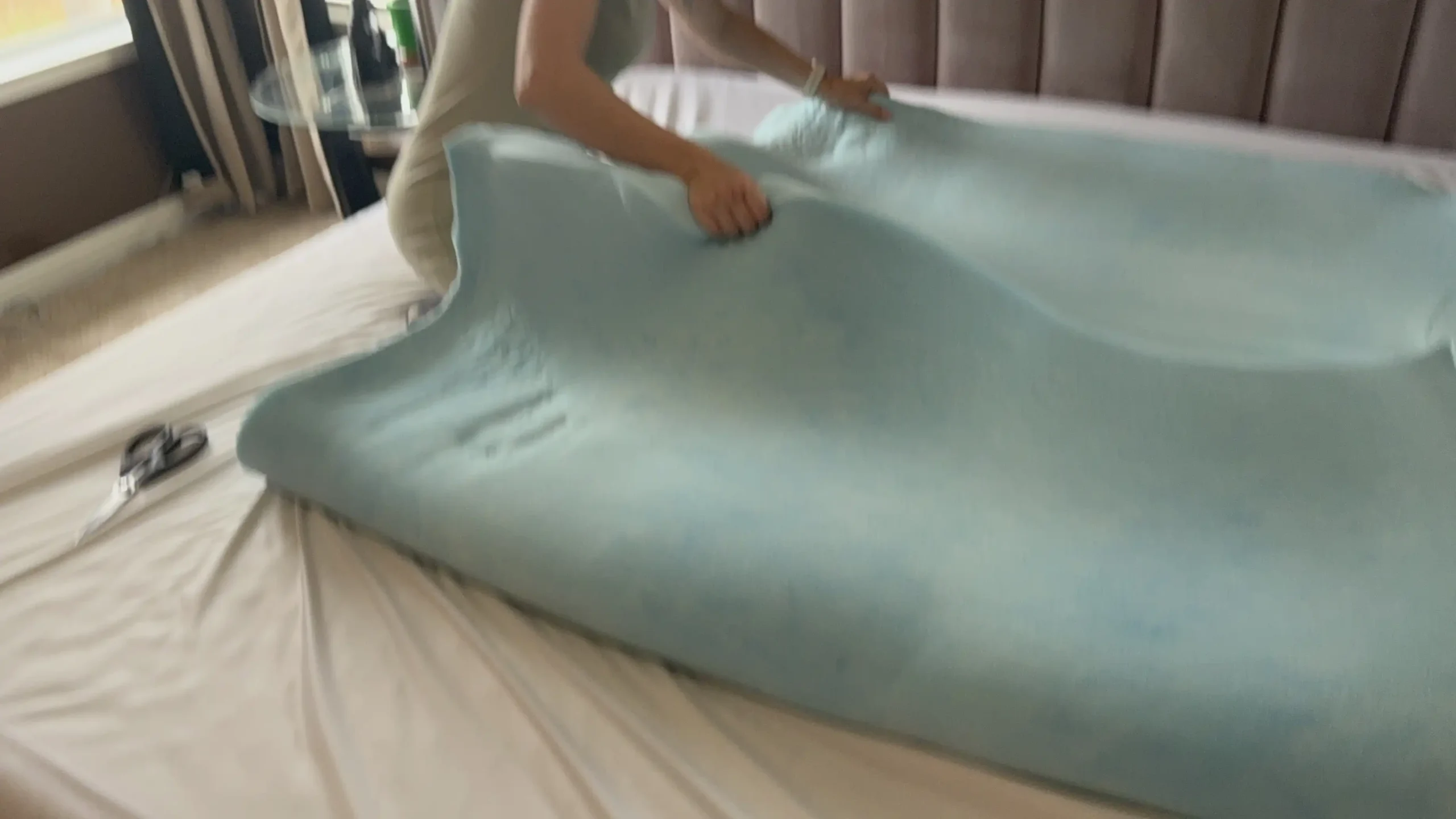
A memory foam mattress is made of dense foam and is great for sleepers wanting superior movement isolation or complete body contouring. Depending on the mattress, memory foam can range from a softer surface to a firm one, but overall, they tend to be less durable than innerspring or hybrid mattresses. Memory foam is more prone to dips and imprinting that can wear into the mattress over time.
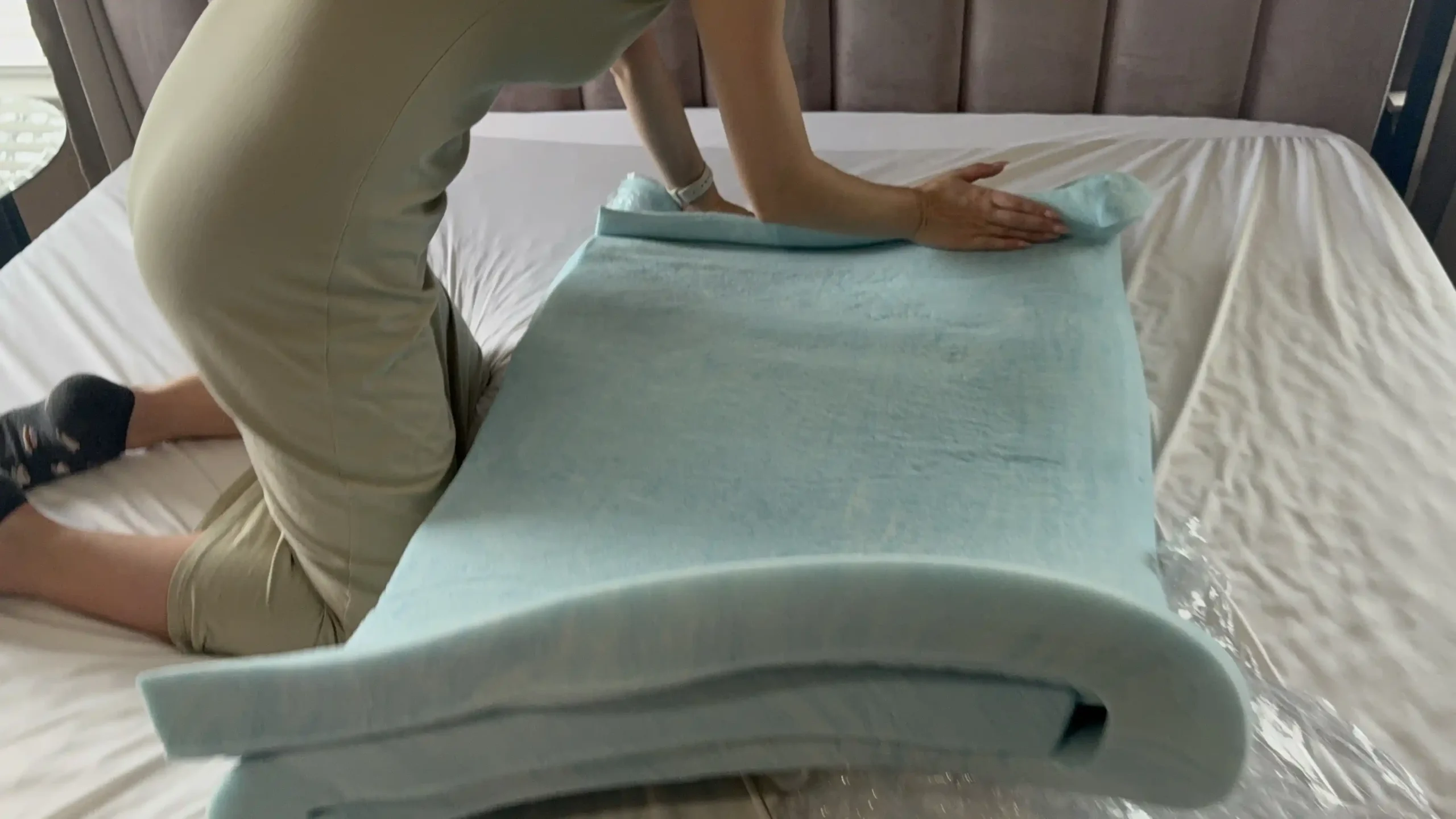
A memory foam mattress is great for sleepers who share the bed with a partner or child, as the foam absorbs movement and does not transfer much from person to person.
They’re primarily made up of memory foam, polyfoam and gel-infused layers to offer a variation of firmness levels and traits that appeal to many sleepers. Memory foam is a great mattress material for contouring the body, as a sleeper can sink into its surface completely, as the memory foam adjusts its surface shape to the body and weight of the sleeper. It can relieve pressure points and provide the individual personalization many sleepers enjoy in a mattress.
Memory foam mattresses can be helpful for sleepers with joint or back pain, as there are no hard and structured springs within the mattress that provide less give. Some memory foam mattresses include gel-infused layers which help cool down the mattress.
Common complaints about memory foam mattresses are the feeling of getting “stuck” or “sucked into” the mattress, and the entrapment of heat. If a cool sleeping experience is something you enjoy, then a memory foam mattress may not be for you.
They are great for couples or those who share a bed, as memory foam absorbs a lot of motion and does not transfer it to others sleeping in the bed.
The support within foam mattresses depends on the density and arrangement of foam layers. In general, the denser the foam, the more supportive and durable the mattress is, and the longer the mattress will last as an investment.
Some of the best aspects of a memory foam mattress are its “cradling” ability and motion transfer absorption. During our 10 pound ball tests, memory foam always has performed the best for reducing motion transfer, making them great options for couples.
Pros of Memory Foam Mattresses:
- Low movement transfer — ideal for couples or light sleepers
- Cradled comfort — great for side sleepers
- Minimal noise — no springs or squeaks with movement
Cons of Memory Foam Mattresses:
- Heat retention — traditional foam can sleep hot without cooling gels
- May be too soft — sleepers who need more support may not like this
- May off-gas — may have an initial chemical smell
Memory Foam Mattresses Are Best For:
- May work well for sleepers with joint or lower back pain
- Side sleepers or people needing cushion around pressure points
- Often preferred by couples who are sensitive to each other’s movements
- Sleepers who like to feel hugged by their mattress
Hybrid Mattress
Hybrid mattresses combine innerspring and foam materials to create a designs to create a unique sleep experience. Together, the supportive layer of the innerspring combined with the comfortable layer of the foam creates the best of both worlds in a mattress. There is a high degree of movement isolation due to the memory foam, and a bouncy responsiveness not found in latex and traditional memory foam mattresses.
In our experience testing mattresses, hybrids vary greatly in durability and firmness, dependent upon the amount of steel coils within the mattress plus the density and quality of the memory foam that covers the coils.
Pros of Hybrid Mattresses:
- Better airflow and sleeps cooler than all-foam mattresses
- Balanced support that is comfortable and supportive
- Easier to change positions and stronger edge support to use the full surface
Cons of Hybrid Mattresses:
- Can be more expensive than all-foam or innerspring
- Performance varies widely base in the quality of foam and number of coils
- Motion transfers more easily that memory foam
Hybrid Mattresses Are Best For:
- Combination sleepers
- People who want a balance of support and cushioning
- Hot sleepers who need want airflow and cooling
How to Choose the Best Mattress Material
There are many factors that may influence what mattress material you choose when looking to buy a new mattress: your sleep style, position, whether or not you share a bed, how important non-toxic or eco-friendly materials are to you, and your budget. It’s likely that several options may meet your needs, though each mattress material is unique in its own way.
Comfort
Mattresses range greatly from plush pillow tops to ultra-firm surfaces, so take your time experimenting with what surface your body likes best. Ask yourself, do you sleep best with firm mattress support, or something cushy you can sink into?
Support
Support is really based on the interior of the mattress. Steel coil systems, firm latex or a thick layer of foam are the most common layers for support. These different materials will give your body varying degrees of support as you sleep, with coils being the firmest and most responsive.
Sleep Position
Your sleep position plays a huge role in what kind of mattress you will find the most comfortable and which one you will get the best night’s sleep with.
Many side sleepers enjoy memory foam or latex mattresses as innerspring mattresses can create too much pressure on the hips. Many back sleepers enjoy a firmer mattress, such as an innerspring or hybrid mattress, as they feel too “sinky” in memory foam options.
Aches and Pains
The state of your body plays a huge role in which mattress materials you will find the most comfortable. If you have hip or joint pain, you may do best with a memory foam or latex mattress that cradles your body and doesn’t put undue pressure on any particular area. If you have back pain, an innerspring mattress may be a supportive choice due to the steel coils.
Durability
Durability is a question of how much money you want to invest in your new mattress. The better materials that last the longest tend to have the highest price points. Memory foam and lower-quality innerspring mattresses tend to be the least durable. Memory foam mattresses also tend to develop an imprint over time of where the sleeper lies night after night, and innerspring mattresses of lower quality tend to sag as the springs bear weight night after night and don’t expand as fully over time.
Heat Dissipation
If you run hot in your sleep, you may benefit from an innerspring mattress that tends to have good airflow, or a memory foam or hybrid mattress that has cooling gel properties. Memory foam mattresses tend to run the hottest, so it’s best to avoid those if you find yourself to be a sweaty sleeper.
Motion Isolation
This is a strong consideration for couples or sleepers who bedshare. If one person in a couple tends to get up many times in the night, or has a different sleep or wake schedule than the other, investing in a mattress with low motion transfer may be a good idea to optimize sleep. Memory foam and latex mattresses tend to have significantly lower degrees of motion transfer than innerspring and hybrid mattresses.
Budget
Lastly, budget is a crucial consideration for most mattress shoppers. Innerspring mattresses are the most affordable, followed by foam mattresses and then latex.
The materials used make a huge difference in price point as well. Natural latex mattresses comprised of GOTS or OCS certified organic cotton or wool will come at a much higher price point than a synthetic latex mattress.
If certification matters to you, it is worth understanding what the Organic Content Standard (OCS) does and does not verify when comparing materials. If having an organic or non-toxic mattress is an important to you, you will likely pay a higher price than a sleeper who cares less about their mattress material.
Final Verdict: Which Mattress Material Is Best?
There is not singe answer. The best mattress material for each person can vary depending on your sleep position, budget, comfort and if you have special priorities like needing to sleep cool, have pressure relief or need strong motion isolation.
Traditional innerspring mattresses are best for people who want breathable material and a bouncy feel. Latex mattresses are best for people who want natural materials and durability and are ok with spending a higher amount.
Memory foam is a top choice for people who like deep contouring and pressure relief, or couples who want strong motion isolation. Hybrid mattresses offer a balanced feel of comfort and support by combining foam and coils.
If you are unsure where to start, consider you sleep position, body weight and body temperature while sleeping and what type of surface you feel is the most comfortable. There are so many options out there that you can definitely find the perfect mattress.
FAQS About Mattress Materials
What is the best mattress material for side sleepers?
Memory foam is often a popular choice for side sleepers because it offers deeper cushioning that helps to relief pressure around the hips and shoulders where side sleepers sink the most. Softer, more plush hybrid mattresses and latex mattresses can also work well for side sleepers who want pressure relief but don’t like the sinking sensation of memory foam.
Which mattress material lasts the longest?
Latex is considered to be one of the most durable materials that is commonly used in mattresses. When compared with lower quality innerspring mattresses or low-density foam, latex will last the longest.
What mattress material sleeps the coolest?
Innerspring mattresses are the best at facilitating airflow and not retaining body heating. Latex also sleeps cooler that memory foam. Many mattresses use gel or copper infused foam to help lessen the heat retention or breathable cooling covers.
Is memory foam or hybrid better?
It depends on what you are looking for. Based on our mattresses testing and comparisons, memory foam is typically better for pressure relief, motion isolation, and hugs the body. Hybrid mattresses are typically more durable and offer better airflow and sleep cooler. They are more bouncy than memory foam, but are also easier to move on and tend to have stronger edge support.
Ready To Sleep Better?
Take our quiz to find the mattress that fits your sleep style and budget.
"I found my perfect mattress in 60 seconds." - Sarah H., side sleeper
✅ Super fun! 🥳
⭐ Trusted by 10,000+ sleepers 😴
🛏 Personalized mattress match 💤