

If you wake up with aches and pain in your back, it may be caused by your mattress starting to sag. This can be very frustrating if you have an expensive mattress. There are some tips that be a temporary fix. In this article, I will give insight on how to fix a sagging mattress and when totally replacing our mattress is the better choice, based on my research from sleep experts and mattress industry standards.
What Causes a Mattress to Sag?
Before getting into the recommendations for possible fixes, here is a break down of some potential problems that can cause mattresses to sag.
Normal Wear and Tear Over Time
Mattress industry standards indicate that it is normal for mattress quality and durability to decrease after 7 to ten years. The foam and coils become worn down and weakened over time when your body weight compresses the mattress every night.
There is a difference between sagging or indentations from your body and sagging from. structural defect. Sagging from your body will form exactly where you sleep. This is normal if it is a shallow dip under one inch in the top layer of your mattress.
A structural sag is often larger than just where your body rests. You might notice a rolling affect where your body keeps ending up in the middle of the mattress. Dips from structural issues are deeper, over one inch and can feel like a crater.
Poor or Incorrect Foundation
If your mattress is not properly supported by a good foundation, then you can can experiences dips and sagging. If you are using a box spring foundation, the coils and springs might be too weak. If you have a slatted base in your bed frame, you should check that the slats are evenly positioning with no gaps large enough that the mattress starts to stick through the slats. You want uniform, firm support.
Body Weight Distribution and Sleep Positions
Sagging can be caused by your sleep position and if you share a bed with a partner with a very different weight. People who sleep on their sides compress the mattress more by the weight targeted to a smaller surface area, than people who sleep on their back or stomach with their weight more evenly distributed.
Low Density Materials
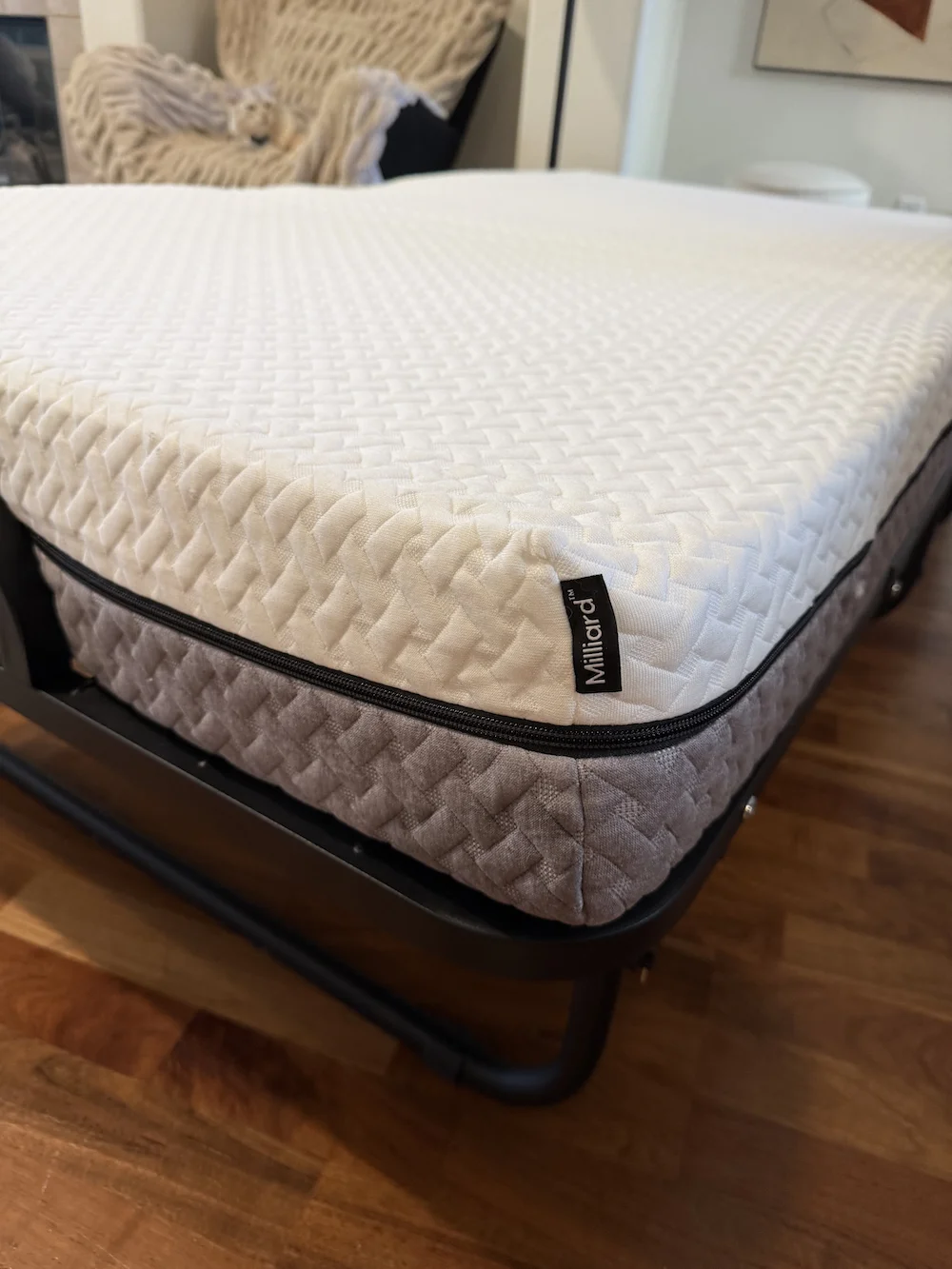
Lower quality, budget foam mattresses have a shorter lifespan than hybrid mattresses or high quality foam and latex mattresses. It’s common to notice sagging in a cheaper foam mattress in only 3 to 4 years.
Read More: Rotate Your Mattress | Sleep Statistics | Mattress Materials Guide | Mattress Firmness Guide
How to Tell If Your Mattress is Truly Sagging
The below checklist will help you know what to look for to determine if your mattress is truly sagging or just has a minor dip.
Surface Level Sagging can be diagnosed from the following observations:
- Is there a noticeable dip where your hips and upper body rest?
- Look at your mattress surface from the side at eye level. Does it appear uneven?
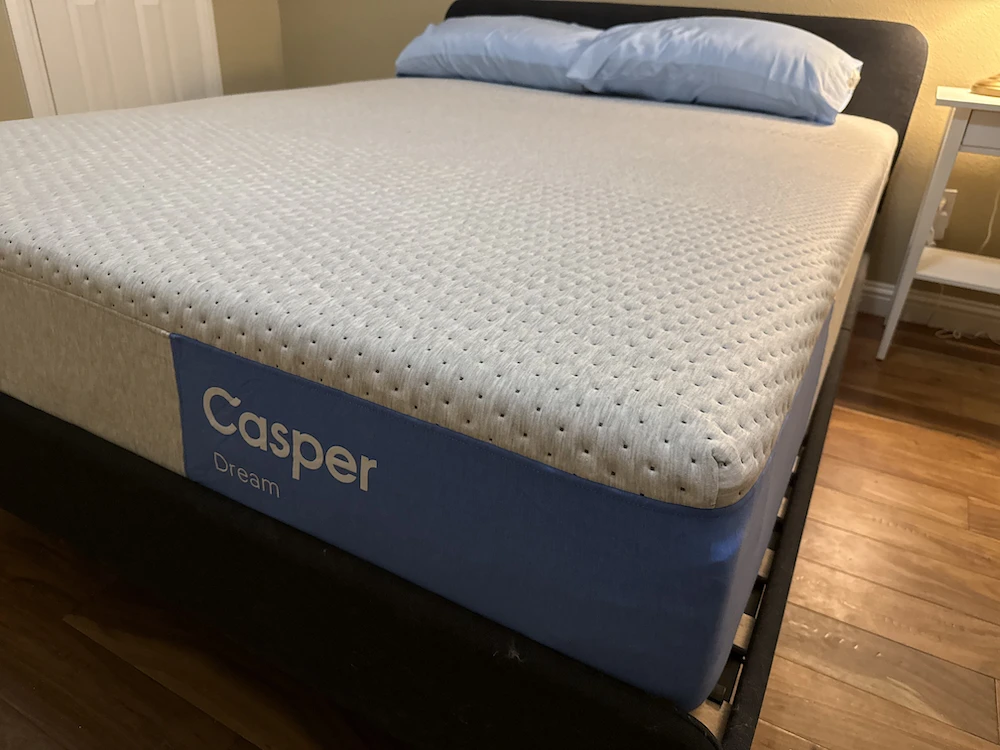
- Is there a permanent impressions where your body rests that doesn’t bounce back after a few hours?
- Does your mattress look flatter on the edges, but sinking in the center?
Structural Sagging can be diagnosed from the following observations:
- Does your mattress bow downward even though you have a firm foundation?
- Do the edges of the mattress feel significantly firmer than the center?
- Does one side of the mattress appear much lower than the others?
Sleep Indications of Mattress Sagging:
- Do you feel like you fall asleep on the side of the bed but roll to the middle?
- Do you have new or increased back, shoulder or hip pain when you wake up?
- Do you feel uncomfortable after laying on your mattress for a few hours?
Expert Tip: If your mattress has a visible sag more than 1 inch, replacement is recommended.
The Expert Sag Test Used by Manufacturers

When It’s Time to Replace Your Mattress
Once you have weighed the options for a temporary fix compared with the investment and health impact of replacing your mattress, you should come to a clear conclusion. If the sag depth is more than an inch, or you are waking up with pain in the morning, and your mattress is over 5 years old, it’s time to prioritize your sleep health and get a new mattress. A new high-quality mattress can be pricey, but with spending so much time in bed and the importance good sleep has on your overall health, it’s a worthwhile investment.
Best Mattresses That Resist Sagging
If you had to deal with the pain (literally) of a sagging mattress, then probably want to avoid those issues with your next mattress. There are materials like high-density foam, reinforced mattress edges and zoned mattress with isolated coils and more support in the middle that are the best types of mattresses that resist sagging. You will want durable foam with layers.
FAQs on How to Fix a Sagging Mattress
Can a sagging mattress cause back pain?
Yes, sleep and spine experts agree that a sagging mattress can cause back pain because it effects your spinal alignment. When a mattress sags, especially in the hip area or torso where the most support is needed, then the spine is forced into an unnatural curve.
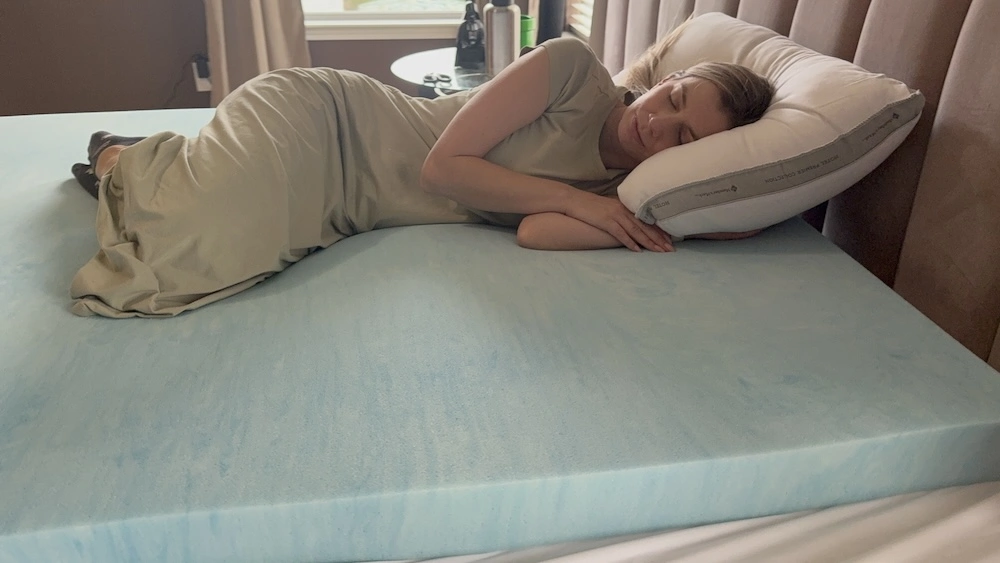
You want to keep your spine straight. If sleeping in this position continues for a long time, many people can experience stiffness and pain in their back and next that improves as the day goes on, which is a clear sign that the mattress is to blame.
Is a mattress topper enough?
A mattress topper can make you more comfortable and help extend the life of your mattress, but it cannot fix the core issue for why your mattress is sagging. Toppers can help change firmness and add cushioning, but ultimately if the structure of the mattress is sagging, then the topper will just dip down into that dent. Once sagging is measurable and greater than an inch, then adding a topper is just a temporary fix.
How long should a mattress last before sagging?
Mattress industry standards recommend that a mattress should last 7 to 10 years while giving you proper support. There is a range because mattress materials can vary, as well as the weight and preferred sleep position of the consumer.
If you notice sagging in the first 3 to five years, then this is an indication of lower quality foam and material that is easily worn down. Some softening is normal over time, especially in the first year as you break it in, but visible dips or dents are a sign that the mattress should be replaced and could even possible be defective.
Make sure to check your mattress warranty for all the details and what could be covered.
What sag depth is considered defective?
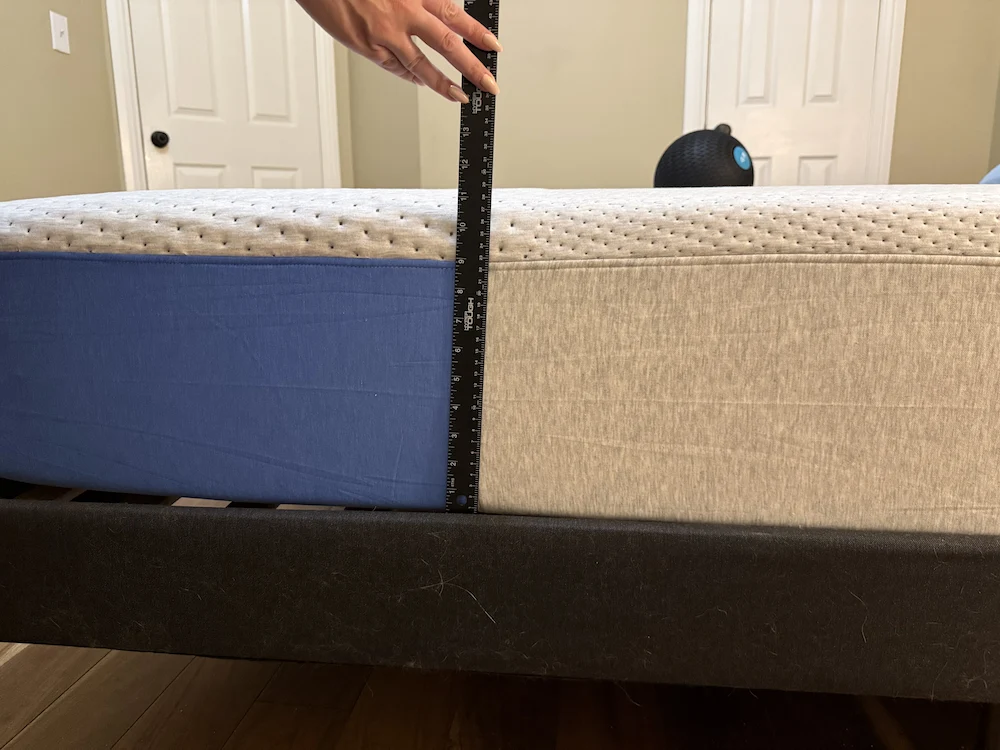
As we covered in our expert testing method for measuring mattress sagging, anything greater than one inch when there is no weight against the mattress is considered problematic.
You can measure sag depth with a straightedge ruler laid across the mattress surface and another ruler measuring the deepest part of the dip. Minor dents that are under .75 inch are generally considered normal wear and are not a concern. You can always add a mattress topper to improve comfort and support if the sagging is minor.
Conclusion
Sleeping on a sagging mattress is not just a comfort issue, it a health concern. When your mattress fails to keep your spine neutral, your muscles will stay active all night long and your will have more pressure on your muscles and joints. Temporary fixes can help eliminate symptoms in the short term, but you should conduct a through test to determine if your mattress needs to be replaced.
Ready To Sleep Better?
Take our quiz to find the mattress that fits your sleep style and budget.
"I found my perfect mattress in 60 seconds." - Sarah H., side sleeper
✅ Super fun! 🥳
⭐ Trusted by 10,000+ sleepers 😴
🛏 Personalized mattress match 💤