

You might believe that it’s necessary to frequently rotate your mattress to prevent sagging and worn down spots, but mattress designs have significantly improved and changed over the past 10 years. If and how often you should rotate your mattress depends on mattress materials, construction, your body type and use, not myths and brand marketing.
In this article, we will dive into when rotation helps, how often you should rotate your mattress, when it is not necessary, and what sleep experts say.
What Does “Rotating a Mattress” Actually Mean?
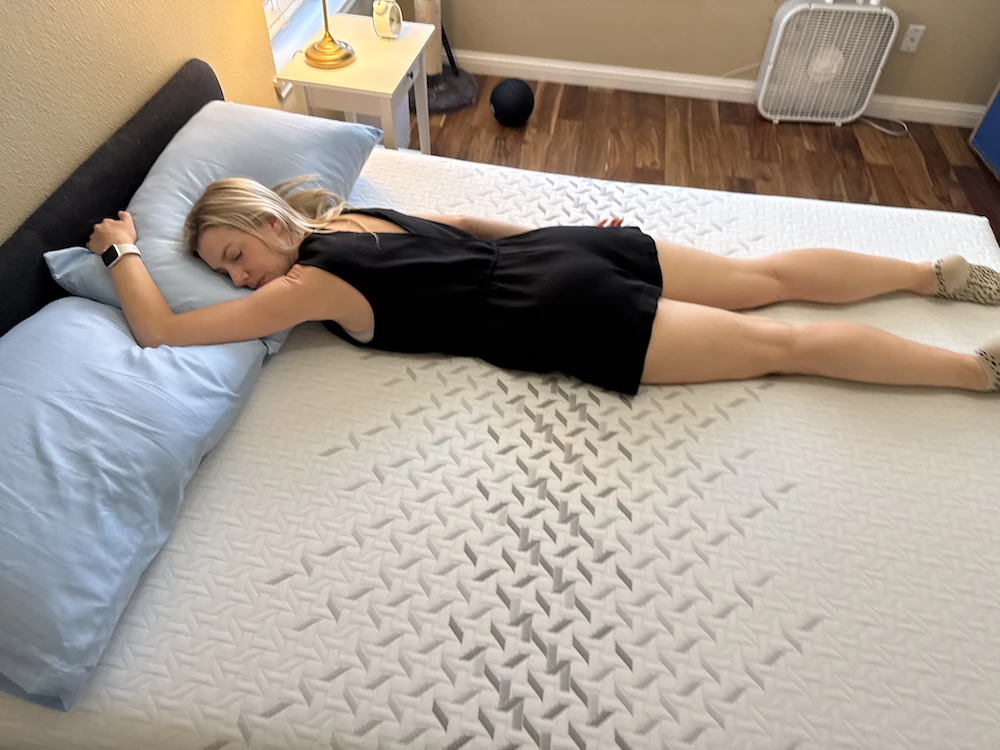
To be clear, proper mattress rotation is moving your mattress 180 degrees in either direction, or more simply head to toe rotation where you want to switch where you head typically rests. Flipping your mattress over from top to bottom is not a solutions because modern mattress design has shifted to where mattress construction is designed to favor one side with coils towards the bottom and layers of the more comfortable foam and latex on the top to support your body.
Read More: Sleep Statistics | Mattress Materials Guide | Fix a Sagging Mattress | Mattress Firmness Guide
Why Mattress Rotation Was Recommended in the Past
The advice to frequently rotate your mattress for optimal sleep has been around for a long time. It was popularized by mattress manufactures as a common maintenance practice as popularity grew for innerspring mattresses in the twentieth century.
Innerspring mattresses were know for very uniform construction, and didn’t feature the thicker, multi-layers that have become the standard for comfort and support. For this type of construction and material, rotation helped distribute wear evenly and was recommended to get the most time out of your mattress purchase.
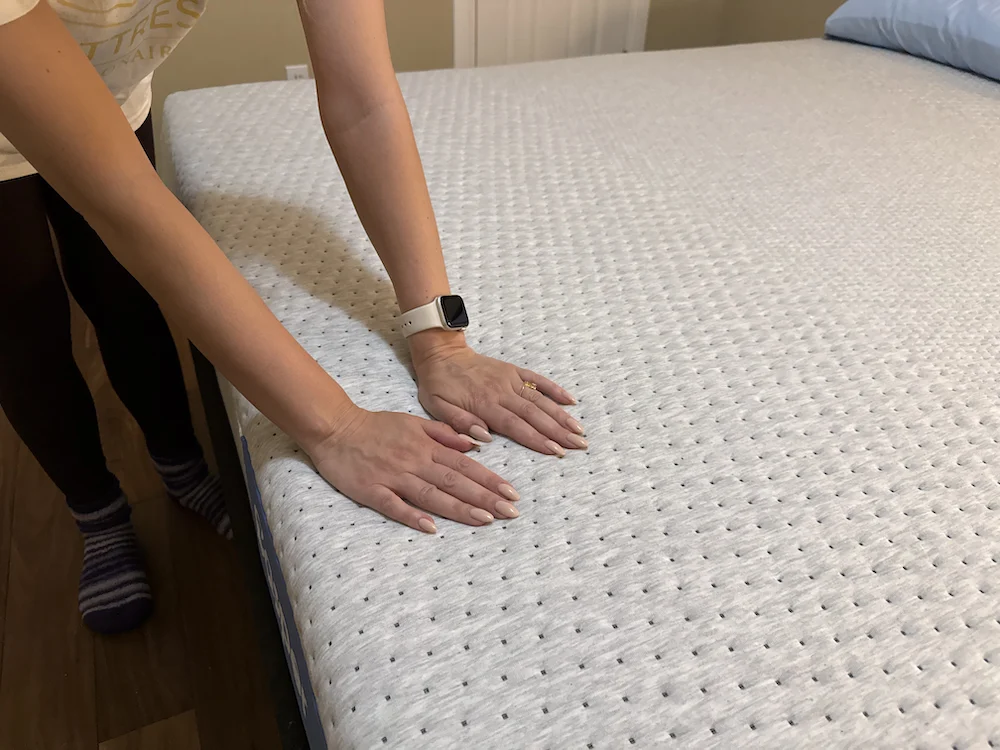
However, mattress construction and engineering has evolved significantly over the past decade. Modern hybrid mattress, which have innersprings and foam, and zoned foam mattress are much more durable, so they don’t need to be rotated. For zoned mattresses from manufactures like Helix and Dreamcloud, rotation can actually reduce the effectiveness of the best support designed for different parts of your body.
Do Modern Mattresses Still Need to Be Rotated?
Here we will break down rotation recommendations by mattress type based on research from experts.
Memory Foam Mattresses
For memory foam mattresses, rotation is not required, but can be helpful to keep material even from wear, especially if you are a side sleep or a couple with very different body weights. Memory foam is very dense and specifically designed to contour to your body and give that nice hugging feel. Quality foam will regain an even shape once you are no longer pressed against it.
Hybrid Mattresses
Hybrid mattresses have risen in popularity recently and have comprised of pocked coils topped with layers of foam. Rotating your hybrid mattress in the first 6 to twelve months can be beneficial to reduce early body impressions as your mattress is broken in.
Innerspring Mattresses
Manufacturer recommendations to rotate still stand for innerspring mattresses that are a classic design from over 50 years ago. Since there is no dense foam protecting the inner coils, they can more easily weaken from consistent pressure from the same body alignment night after night. Coil fatigue tends to occur where there is the most weight on the mattress. Once the coils wear out, they soften and the mattress starts to sag, so frequent rotation is a good idea.
Latex Mattresses
Similar to foam mattresses, latex is a highly durable material that does not require mattress rotation. Latex is know for being very bouncy and forgiving, hypoallergenic and breathable.
What Sleep Experts and Physical Therapists Recommend
Sleep experts and physical therapists are far more measured about mattress rotation than popular advice columns suggest. The prevailing professional opinion is that rotation is not a universal rule, but a conditional tool that may help in specific situations and for specific individuals and their needs. In some cases, mattress rotation is unnecessary, or even counterproductive if the mattress is designed to support a sleep position.
From a clinical standpoint, the primary concern is spinal alignment and pressure distribution. A mattress that maintains consistent support under the hips, shoulders and spine is meeting your needs, regardless of whether it has been rotated recently.
Most physical therapists emphasize three core principles:
1. Modern mattresses are engineered for targeted support, not uniform wear
Many modern mattresses, especially hybrid, memory foam, and zoned designs, are intentionally constructed with different firmness levels across the surface. These zones are designed to support heavier body areas (torso and hips) while allowing lighter areas (shoulders, legs) to sink appropriately. Rotating these mattresses can place the wrong support zones under the wrong parts of the body, potentially contributing to discomfort in your muscles and joints.
2. Body impressions alone are not a clinical problem
Sleep specialists consistently note that visible impressions are not automatically a sign of mattress failure. What matters is whether the mattress still:
- Keeps the spine in a neutral position
- Reduces pressure points
- Allows muscles to fully relax during sleep
Physical therapists often see patients who fixate on cosmetic wear while ignoring functional performance. If a mattress feels supportive, comfortable, and pain-free, rotation is unlikely to help.
3. Rotation may help during early break-in periods
There is some professional agreement that hybrid and innerspring mattresses may benefit from occasional rotation during the first 6–12 months. This period is when materials are settling and adapting to body weight and sleep position. Rotating during this early phase can help prevent premature softening in a single area, particularly for:
- Solo sleepers
- Heavier individuals
- People who consistently sleep in the same position
However, even in these cases, experts stress moderation. Importantly, rotating when unnecessary can accelerate material fatigue by forcing foams and coils to repeatedly re-adjust before stabilizing.
4. Pain patterns matter more than maintenance schedules
Physical therapists place far more emphasis on how a sleeper feels upon waking than on how often a mattress is rotated. Key indicators for uneven support include:
- Morning stiffness that improves as the day goes on
- Pain localized to one side of the body
- Shoulder or hip discomfort that worsens when sleeping in the same spot
In these cases, a single rotation may be worth testing—but it is viewed as a short-term experiment, not a long-term solution. If symptoms persist, the issue is more likely mattress compatibility than rotation frequency.
5. Manufacturer advice should be followed
Sleep professionals acknowledge that many mattress companies still recommend rotation primarily as a warranty safeguard, not because it is medically necessary. Physical therapists often advise patients to follow manufacturer guidance to protect coverage, while also recognizing that these recommendations are intentionally broad and conservative.
Importantly, experts caution against rotating mattresses with:
- Zoned support systems
- Reinforced lumbar sections
- Asymmetrical or posture-specific designs
In these cases, rotation can undermine the very features intended to promote healthy sleep posture.
How Often Should You Rotate Your Mattress
As for a schedule for rotating your mattress, we recommend following mattress manufacturer guidelines for your specific mattress, but an overall recommendation is below for easy reference:
| Mattress Type | Should You Rotate? | How Often | Expert Rationale |
|---|---|---|---|
| Hybrid | Optional (early on) | Every 3–6 months in year one | Helps materials settle evenly during break-in |
| Memory Foam | Usually unnecessary | Only if uneven wear appears | Foam contours to the body; rotation rarely improves support |
| Latex | Optional | About once per year | Highly durable material with minimal compression |
| Innerspring | Sometimes helpful | Every 6–12 months (older models) | Coils may benefit from redistributed load |
| Zoned / Targeted Support | Do NOT rotate | Never | Rotation can disrupt intended spinal alignment |
Signs Your Mattress Might Benefit From Rotation
While it’s not necessary to adhere to a mattress rotation schedule, you might benefit from rotating your mattress if you start to notice some minor indendations, or if you find that you are sleeping better on one side than the other. Shifting around to get comfortable can prevent you from getting a good night’s rest.
I sleep on a high-density foam mattress with my husband for the most part and decided to rotate our mattress after the first year. Immediately I noticed feeling more supported by my shoulders, so it was a helpful adjustment for us.
When You Should NOT Rotate Your Mattress
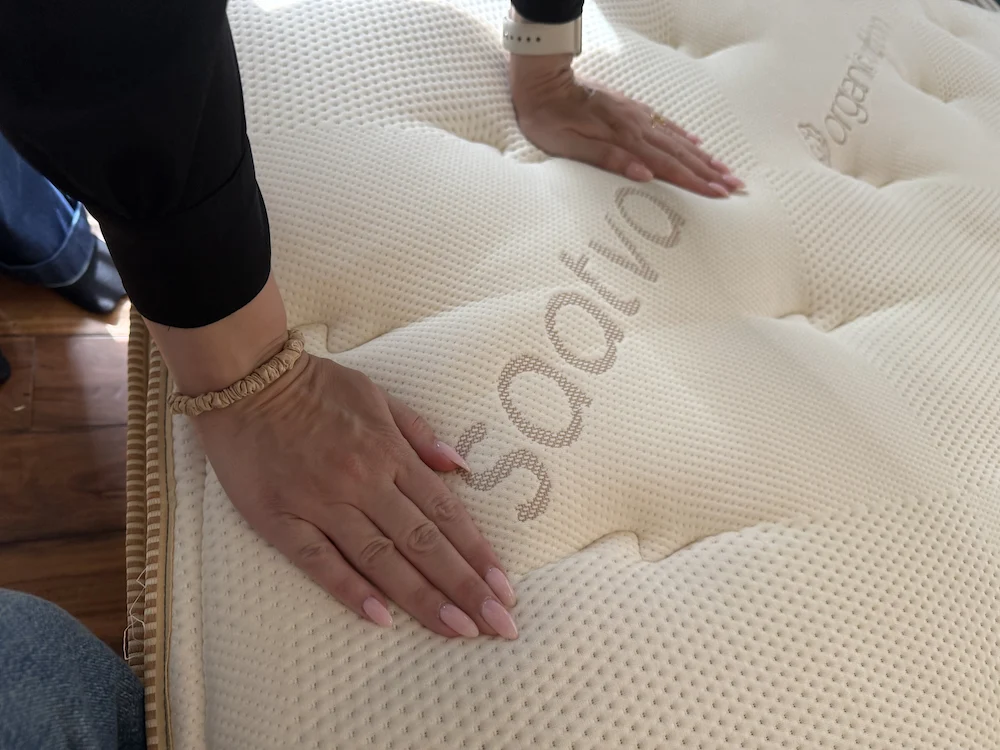
Some premium mattress are designed to reinforce lumbar areas or are zoned for couple with different comfort preferences and support needs. For these situations, rotating your mattress can actually work against you instead of being helpful.
Be sure to check your manufacturer instructions for rotation needs and if your warranty could be voided if rotated. You should always check your mattress manufacturer documentation for proper use and maintenance.
Does Rotating a Mattress Really Extend Its Lifespan?
Through my research, my thoughts on this one is that rotating a mattress gives a marginal benefit at best and does not extend its lifespan. Modern mattresses have evolved beyond the innerspring coil construction and are designed to be more durable. Having a mattress with quality design and materials is much more important and beneficial than rotation.
It’s also important to make sure you have a solid foundation with either a box spring or a well made bed frame with sturdy, even slats. Otherwise your mattress could start to sink and shift between slats and won’t support your spine and natural alignment.
How to Rotate a Mattress
If you decide to rotate your mattress, follow the below step-by-step instructions to rotate it quickly, easily and without hurting your back.
- Clear the area. Remove pillows, sheets, and the mattress protector. Move nightstands or lamps if they’ll get in the way.
- Get help if possible. Most queen/king mattresses are awkward and heavy. Two people is safer and faster.
- Stand at the sides. Each person should take one long side of the mattress for better control (not the corners).
- Lift—don’t drag. Slightly lift the mattress to reduce friction and prevent tearing the cover or damaging the bed frame.
- Rotate 180 degrees. Turn the mattress so the head becomes the foot (do not flip it over unless the manufacturer says it’s double-sided).
- Re-center the mattress. Align edges evenly on the foundation or frame so support is consistent and the mattress doesn’t shift.
- Check your base. Make sure slats are spaced correctly and the center support is solid (especially for queen/king).
- Remake the bed. Replace the protector and sheets, then lie down briefly to confirm it feels level and comfortable.
Expert Tip: If you notice new discomfort after rotating, your mattress may be zoned. Rotate it back and check manufacturer guidelines.
FAQs for Rotating a Mattress
How do I know if my mattress needs to be rotated?
Mattress rotation may be worth trying if you have some minor discomfort, especially during the first few months that you are breaking it in. Minor dips or indentations alone are not an indicatior that your mattress needs to be rotated. Most importantly, if you still feel comfortable, supported and are getting a restful sleep, then rotation is not likely to improve your sleep quality or extend the lifespan of your mattress.
Should memory foam mattresses ever be rotated?
Memory foam mattresses do not need to be regularly rotated. Memory foam is dense and is designed to hug your body and then bounce back, so rotating it would not improve support. If you notice uneven firmness or some minor discomfort, you can try rotating it, but it is not necessary.
Can rotating a mattress cause back or hip pain?
If you have a specialty zoned mattress and rotate it, there is potential that it can cause pain in our back, shoulders or hips. The zones are designed to have more support and firmness by the heaviest part of your body and offer increased lumbar support, so rotating it can misalign those materials or zones with the body areas they were intended for.
Do mattress warranties require rotation?
Some mattress manufactures recommend rotation as part of maintenance, but this is just a guidleine and a legal safegaurd rather than a performance or medical necessity. You might need to worried that warranty coverage could be void if there is visible damage or extreme wear on your mattress, but this wouldn’t be caused by decided not to rotate it.
Always reference your mattress manufacturer documents and warranty for proper use and instructions.
Conclusion
In conclusion, rotating your mattress is optional, not essential for most new mattresses. Pay attention if you notice increasing discomfort, less restful sleep or aches and pains. These are indications that it might be time to get your mattress replaced.
Ready To Sleep Better?
Take our quiz to find the mattress that fits your sleep style and budget.
"I found my perfect mattress in 60 seconds." - Sarah H., side sleeper
✅ Super fun! 🥳
⭐ Trusted by 10,000+ sleepers 😴
🛏 Personalized mattress match 💤