


Back pain affects millions of Americans, with 80% of people experiencing low back pain at some point in their lives. It can be challenging to get a good night’s rest when dealing with the discomfort of back pain. Interrupted sleep can leave you feeling unrested, irritable and frustrated – that’s why millions of people a year search for “best mattress for back pain” on Google.
Nectar Premier Mattress for Back Pain
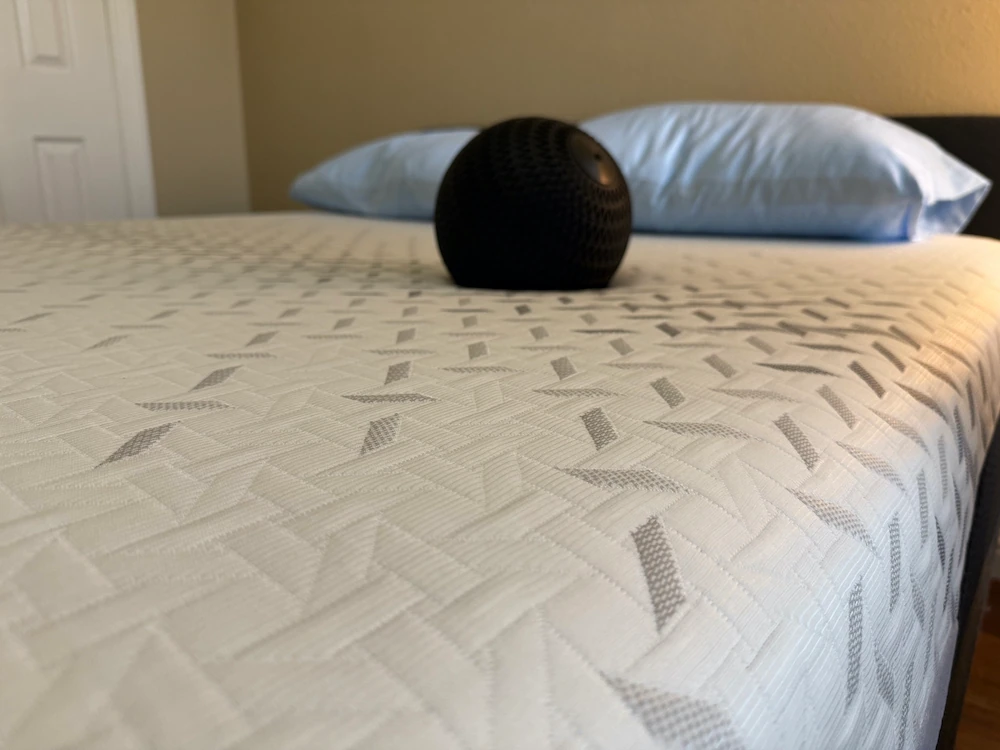
Choosing a mattress that supports the body, the lumbar spine, and relieves tension from muscles and joints is an important consideration. The Nectar Premier mattress comes in two options: memory foam and hybrid (innerspring coil and memory foam combination). It is described as a medium-firm mattress, and is endorsed by the American Chiropractic Association.
If you don’t know what memory foam is – read our guide on what is memory foam?
Key Specs at a Glance
- Type: Memory Foam / Hybrid
- Firmness: Medium-Firm (6/10)
- Best For: Back + Side Sleepers
- Trial: 365 Nights
- Warranty: Lifetime
| Feature | Details |
|---|---|
| Type | Memory Foam / Hybrid |
| Firmness | Medium-Firm (6/10) |
| Best For | Back & Side Sleepers |
| Trial Period | 365 Nights |
| Warranty | Lifetime |
| Best Use Case | Back pain relief + spinal alignment |
Quick Comparison – Best Mattresses For Back Pain
| Mattress | Type | Firmness | Best For | Key Strength | Trial |
|---|---|---|---|---|---|
| Nectar Premier | Memory Foam / Hybrid | Medium-Firm (6/10) | Back & Side Sleepers | Pressure relief + value | 365 Nights |
| Casper Original | All-Foam | Medium (5.5/10) | Combination Sleepers | Zoned support design | 100 Nights |
| Saatva Classic | Innerspring Hybrid | Multiple (Plush–Firm) | Back Pain + Luxury | Strong lumbar support | 365 Nights |
| Tempur-Pedic TEMPUR-Adapt | Memory Foam | Medium (5–7/10) | Chronic Pain Relief | Deep contouring foam | 90 Nights |
Nectar Premier Mattress Construction & Materials
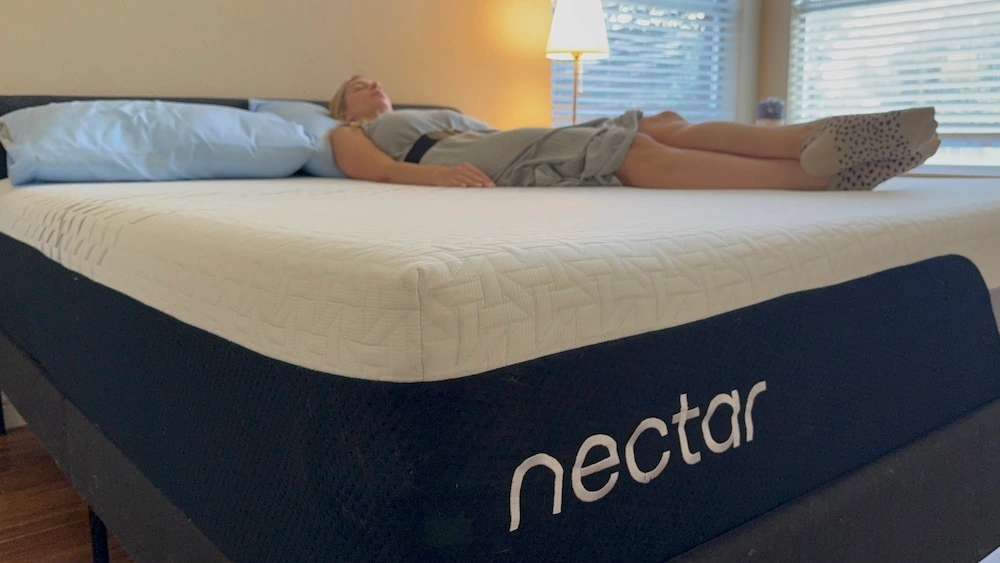
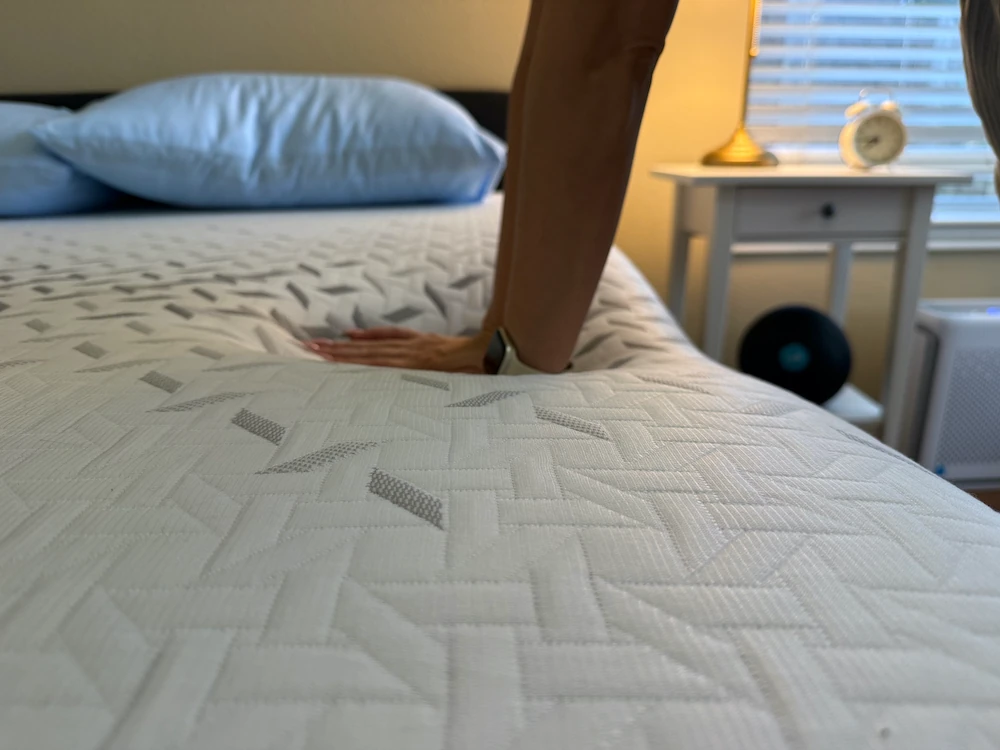
Cooling top cover: Soft fabric cover with cooling fibers and an antimicrobial treatment. Breathable, cool-to-the-touch fabric ensures a refreshing sleep experience, while antimicrobial properties help maintain a healthy sleeping surface.
Pressure relief layer: 2 inches of pressure-relieving memory foam. Enjoy restorative sleep with contouring memory foam that provides unmatched comfort, cushioning your back and hips for a more restful night.
Other Layers
Responsive support layer: 2 inches of responsive support foam. Promotes spinal alignment with dynamic support, ensuring you stay properly positioned on top of the mattress for uninterrupted sleep.
Hybrid motion isolation layer: 8 inches of individually-wrapped innerspring coils. Individually-wrapped innerspring coils deliver enhanced support, superior motion control, and upgraded edge stability, all with the added benefit of better airflow for a cooler night’s sleep. The memory foam option has 8 inches of “foundational foam” instead of innerspring coils.
Foundation layer: 1 inch of foundational foam. Provides a solid foundation, enhancing endurance and stability to ensure the upper layers perform at their best.
Durable bottom cover: Heavy-duty, shift-resistant fabric cover. This soft, protective cover secures the mattress’ core, preventing layers from shifting and enhancing the overall longevity of the mattress.
| Layer | Material | Purpose |
|---|---|---|
| Cooling Cover | Cooling fabric with antimicrobial treatment | Regulates temperature & keeps surface fresh |
| Pressure Relief | 2” Memory Foam | Contours body & relieves pressure points |
| Support Layer | 2” Responsive Foam | Maintains spinal alignment |
| Core (Hybrid) | 8” Wrapped Coils | Support, airflow, motion isolation |
| Core (Foam) | 8” Base Foam | Stable foundational support |
| Base Layer | 1” Foundation Foam | Durability & structure |
| Bottom Cover | Heavy-duty fabric | Prevents shifting & improves lifespan |
The mattress is stated to have very little motion transfer, making it great for couples or co-sleeping parents. The layers of memory foam cushion pressure points on the body, particularly for side and back sleepers.
Stomach sleepers may opt for a different mattress with more firmness, as the Nectar Premier is a 6 on the firmness scale – medium firmness. The cooling fibers create temperature regulation, especially for the all-foam option.
Some negative aspects to the mattress: sleepers mention poor edge construction where the edges compress easily, limiting sleepable space. The sinkage leads to some sleepers feeling stuck or trapped.
And don’t forget – it’s important to understand what happens when you sleep – in order to get the best night’s sleep possible. It’s also important to know how to choose a mattress foundation, in order to minimize back pain.
Pros and Cons for Back Pain
Pros
- Excellent pressure relief for hips & shoulders
- Good motion isolation for couples
- Hybrid offers better spinal support
Cons
- Weak edge support
- Can feel “sinky” for some sleepers
- Not ideal for stomach sleepers
| Pros | Cons |
|---|---|
| Excellent pressure relief (hips & shoulders) | Weak edge support |
| Great motion isolation for couples | Can feel too soft / “sinky” |
| Hybrid model improves spinal support | Not ideal for stomach sleepers |
Who Should (and Shouldn’t) Buy the Nectar Premier
Overall, the Nectar Premier is a great option for sleepers who want to improve their sleep due to back pain, as the hybrid mode’s innerspring coil and foam construction creates good support for the back, hips and joints.
| Sleep Type | Performance |
|---|---|
| Back Sleepers | Excellent – promotes spinal alignment |
| Side Sleepers | Great – relieves pressure points |
| Stomach Sleepers | Not Ideal – may lack support |
| Couples | Strong – low motion transfer |
| Hot Sleepers | Better with hybrid option |
How Back Pain Affects Sleep (And Vice Versa)
Studies show that back pain is a leading cause of morbidity and disability in the United States. It is estimated that up to 80% of people will experience low back pain at some point during their lifetimes.
At any given point in time, about 26% of U.S. adults have low back pain, and 14% have neck pain. Back pain that lasts at least two weeks occurs in 13.8% of the U.S. population annually, accounting for 2-3% of all physician visits, and is the second most common reason for hospitalizations.
About 30 million people in the United States receive professional medical care for a spine problem each year. The prevalence of back pain under treatment remained stable from 1997 to 2005 and then declined slightly between 2006 and 2008, possibly due to a decrease in the use of elective procedures during the economic recession.
Back Pain Statistics
| Metric | Data |
|---|---|
| Lifetime Risk | Up to 80% of people |
| Annual Cases | ~30 million Americans |
| Higher Healthcare Costs | 73% more vs. no back pain |
| Adults Affected | ~26% at any given time |
However, while the prevalence of back pain has remained fairly stable over time, the percentage of patients who describe their back pain as “chronic” has increased, from less than 5% in 1992 to more than 10% of all patients with back pain in 2006.
Low back pain is a leading cause of both lost productivity and medical expenditures. In 2004, over $100 billion was spent in the United States on medical care associated with spine problems—approximately the same amount spent treating cancer, diabetes, or arthritis. On average, patients with back pain have 73% higher health care expenses than patients without back pain.
- 80% of people will experience low back pain.
- About 30 million people in the U.S. receive professional medical care for spine problems every year.
- Patients with back pain have 73% higher health care expenses than patients without back pain.
Which Mattress Is Best For You?
| If You Want… | Best Choice |
|---|---|
| Best overall value for back pain | Nectar Premier |
| Strongest lumbar support | Saatva Classic |
| Deepest pressure relief | Tempur-Pedic TEMPUR-Adapt |
| Balanced foam feel for combo sleepers | Casper Original |
Best Sleeping Positions for Back Pain
Back Sleeping (Best Overall)
The best position to avoid back pain is lying flat on your back. Even so, many people find it the hardest way to enjoy deep sleep. For optimal spine alignment, place one pillow underneath your head or neck and another underneath your knees. If you’re pregnant, however, you should avoid this position because it decreases blood circulation to the heart and baby.
Side Sleeping (Best for Pressure Relief)
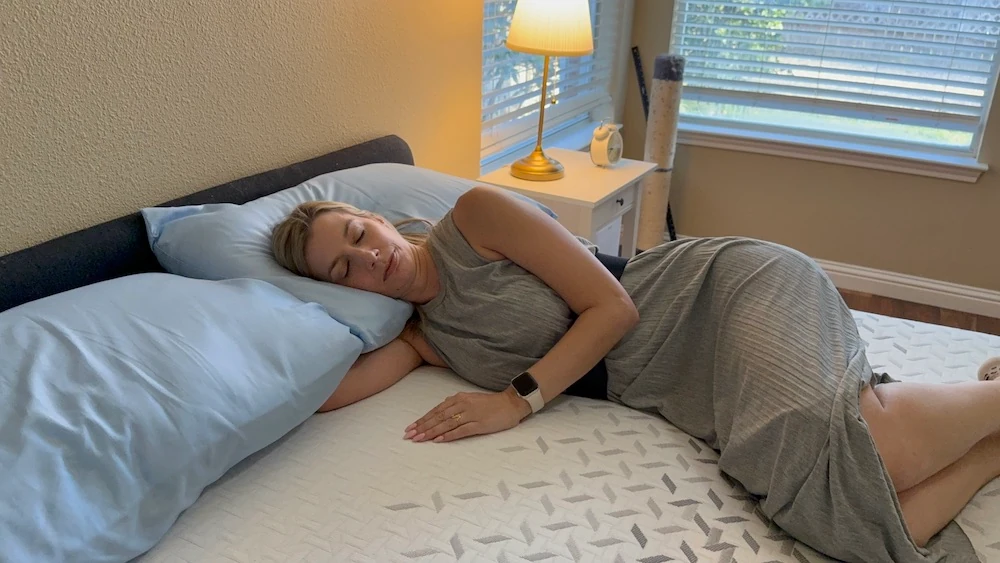
Side sleeping with your legs straight is the second-best position for avoiding back and neck pain. It’s also a good position for snorers or anyone with sleep apnea because it keeps your airways open. If you can, stretch your legs out straight and tuck a pillow between your knees to keep your spine in a neutral alignment.
Another type of side sleeping — with your legs bent upwards — is less ideal for your back. Known as the fetal position, it may be the most popular sleep style, but it promotes an uneven distribution of weight that can cause back pain and sore joints. Try straightening your body into a relaxed position by untucking your chin and adjusting your knees. If you’re pregnant, it’s a comfortable way to take the weight from your back.
Stomach Sleeping (Worst for Back Pain)
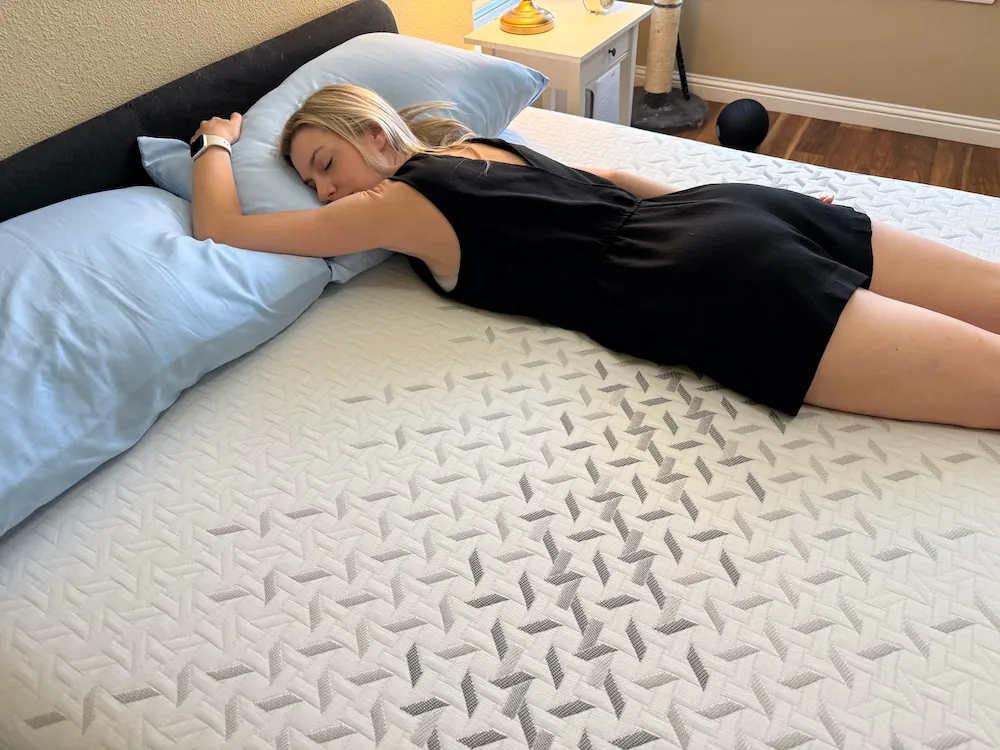
Sleeping on your stomach is the worst position for your spine, according to Raymond J. Hah, MD, a spine surgeon with the USC Spine Center, part of Keck Medicine of USC. “This position puts the most pressure on your spine’s muscles and joints because it flattens the natural curve of your spine,” he says. “Sleeping on your stomach also forces you to turn your neck, which can cause neck and upper back pain.”
Research shows that there’s a correlation between pain and sleep, so it makes sense to incorporate simple changes in your sleep style that alleviate back pain — and less pain means better sleep.
| Position | Effect | Recommendation |
|---|---|---|
| Back Sleeping | Best for spinal alignment | Use pillow under knees |
| Side Sleeping | Good pressure relief | Place pillow between knees |
| Stomach Sleeping | Worst for spine | Avoid if possible |
How to Choose the Right Mattress for Your Sleep Position
Back Sleepers
Back sleepers should look at medium to medium firm options, but back sleepers in particular will benefit from zoned support or enhanced lumbar support to keep the spine aligned.
Side Sleepers
Side sleepers and those of a lighter weight need more cushioning to prevent pressure build-up. They can often benefit from a plush to medium mattress or an all-foam option that allows for a little sinkage.
Stomach Sleepers
Stomach sleepers and heavier-weight sleepers need firmer support to keep the spine aligned and prevent the hips from sinking too far into the mattress.
Firmness is subjective though, which is why the 365-night trial period offered by Nectar is a great option, giving you plenty of time to see if the bed suits your sleeping style.
| Sleep Position | Firmness | Reason |
|---|---|---|
| Back Sleepers | Medium to Medium-Firm | Supports lumbar spine |
| Side Sleepers | Soft to Medium | Reduces pressure buildup |
| Stomach Sleepers | Firm | Prevents hip sinkage |
Expert Tips for Reducing Back Pain While Sleeping
1. There’s No One “Perfect” Sleep Position
In everyday life, the best position for the spine is usually a relatively neutral one, meaning you’re not bent too far forward or backward.
Sleeping flat on your back is traditionally thought to be the best sleep position for the spine “because, in theory, it evens out the distribution of pressure across the back,” says Dr. Griffin. “In other words, it’s easier to maintain a neutral position when you’re laying down flat versus when you’re face down or on your side.”
2. Add Midsection Support for Stomach Sleeping
“When you’re sleeping on your stomach, your spine may sag from its neutral position,” Dr. Griffin explains. “Just a small amount of support in the midsection can help prevent that.”
Stomach sleepers may also be more comfortable with a softer or flatter pillow under their head to help maintain the spine’s alignment.
3. Use the Right Pillow Height for Side Sleeping
Pillow choice can also make a big difference for side sleepers with low back pain. “Side sleepers will typically need a taller pillow to help maintain a neutral spine position in the neck and upper back,” says Dr. Griffin.
4. Choose the Right Mattress Firmness
In general, a medium-firm mattress – not very hard or very soft – is probably better for people with back pain. The Nectar Premier is described as a medium-firm mattress, and may be helpful for back pain.
“I tend to recommend that people try out a mattress first for a decent length of time whenever possible,” says Dr. Griffin. “If you have the sensation that your low back is sinking below your shoulders and your feet, that’s a sign that the mattress is too soft for you. This is especially true if you lie on your stomach because then you’ll be bowing into the mattress.”
On the other hand, a too-firm mattress that prevents any sinking can place too much stress on your pressure points, which can cause pain. “Choosing the right mattress is really about finding that balance between maintaining comfortable spine alignment while also taking the pressure off your pressure points,” he says.
5. When to See a Doctor
If you have back pain that’s preventing you from sleeping, doing your job or carrying out other daily activities, Dr. Griffin recommends seeking help from a medical professional. You may wish to consult both a spine specialist as well as a primary care doctor to rule out other medical conditions.
How to Reduce Back Pain Beyond Your Mattress
Exercise for Back Pain Relief
One of the best and easiest ways you can reduce back pain and keep your spine healthy is to get regular exercise and physical activity. Although you may think working out with back pain in wrong, the exact opposite is true. Remaining active actually helps to fight inflammation in the body and relax tension in the muscles.
In fact, exercising only twenty minutes per day helps reduce inflammation which, in return, will help reduce any back pain you are experiencing and help you build muscle. Building healthy and strong muscles in your core and your back will ensure your body can efficiently support its weight. This takes pressure off the spine and back, minimizing risk for developing back pain.
Some exercises to incorporate into your week are walking, yoga, Pilates, swimming, aerobics. Barre, elliptical, stair stepper, weight training, and hiking.
While walking and jogging are great exercises, they do put more strain and stress on the body due to higher impact when your feet hit the ground. You may want to speak with your healthcare provider before beginning a running or jogging exercise plan to make sure it will not make your back problems worse.
Stretching and Flexibility
It’s important to stretch, because it helps to increase your flexibility and by stretching on a regular basis, you can help prevent back pain. Stretching your back, spine, and the surrounding muscles will keep you feeling less tense so you are less likely to experience injuries and back related pain.
Improve Your Posture
Of course, better posture, sitting, and standing taller and straighter is an absolute must. You want to avoid slouching when you are sitting and standing. Keep your shoulders down and back, away from your ears.
Make sure your head and neck are not in a down looking position for long periods of time. This means looking down at a book, laptop, phone, or computer should be limited.
If you find that when you are sitting at home or work your spine is bending into a C shape, you will want to make sure you are sitting taller and straighter. Making sure you have a chair that is comfortable and supportive will help you sit up taller and have better posture.
There are many ergonomic desk chairs available that may help support your spine and posture while you sit. If you’re sitting for long periods of time at work, or in the car, make sure you get up every thirty minutes to an hour to stretch and move around. Standing desks or walking pads may also be helpful to reduce back pain.
Your seat should also have proper lower back support. This means your chair should have built-in lumbar support or you should have a rolled towel or lumbar pillow behind your lower back. It will help your spine retain a normal and healthy curve.
Final Verdict: Is the Nectar Premier Good for Back Pain?
| Feature | Why It Matters for Back Pain |
|---|---|
| Medium-Firm Feel | Keeps spine aligned without pressure buildup |
| Memory Foam Layers | Relieves tension in hips and shoulders |
| Hybrid Option | Adds support + airflow for cooler sleep |
| 365-Night Trial | Risk-free testing for long-term comfort |
There is no one size fits all mattress option to reduce back pain. Hybrid models and memory foam with a medium firmness level can be great options if you’re wanting to reduce back pain.
But a mattress isn’t the only thing that will help your back. Regular exercise, posture and stretching should be incorporated to improve pain. Yoga and pilates can be great low-impact options for exercise.
Overall though, the Nectar Premier is a strong choice for back pain thanks to its medium-firm feel, pressure-relieving foam, and supportive hybrid design. It’s especially well-suited for back and side sleepers who need a balance of comfort and spinal alignment.
- Pressure-relieving memory foam reduces back pain
- Medium-firm feel keeps spine properly aligned
- Minimal motion transfer (great for couples)
Back Pain & Mattress FAQ
What Type of Mattress Is Best for Back Pain?
A medium-firm mattress with a hybrid or memory foam construction can be a great option for back pain as the memory foam contours while supporting the spine and joints.
What Is the Best Sleeping Position for Back Pain?
Many scientists recommend back sleeping as a good option for proper spine alignment, which helps reduce back pain. Sides sleeping is a good second option. Stomach sleeping may be the most harmful for back pain, as the spinal alignment isn’t optimal when lying on your stomach. Ensure proper support by using pillows underneath knees or between legs.
What Else Helps Reduce Back Pain?
Regular exercise, posture and stretching should be incorporated to improve pain. Yoga and pilates can be great low-impact options for exercise.
Do Pillows Affect Back Pain?
Your mattress isn’t the only thing you should examine in your sleep set-up. Your pillow could also be contributing to neck and back pain and poor spinal alignment. Depending on your sleeping position, choose a pillow that allows for the best alignment of your spine.
References
- Mayo Clinic. Sleeping positions for back pain. Overview of how different sleep positions impact back pain and practical tips for improving sleep posture.
- National Institutes of Health (NIH). Low Back Pain (StatPearls). Comprehensive medical reference covering prevalence, causes, and treatment considerations for low back pain.
- Keck Medicine of USC. Raymond J. Hah, MD – Spine Surgeon Profile. Background and expertise of a spine specialist referenced for insights on sleep position and spinal health.
- Keck Medicine of USC. Chronic Back and Neck Pain’s Close Connection to Insomnia. Explores the relationship between pain and sleep quality, highlighting how each can impact the other.
- Hospital for Special Surgery (HSS). Sleep and Low Back Pain. Discusses how sleep posture, mattress choice, and alignment influence back pain and recovery.
Ready To Sleep Better?
Take our quiz to find the mattress that fits your sleep style and budget.
"I found my perfect mattress in 60 seconds." - Sarah H., side sleeper
✅ Super fun! 🥳
⭐ Trusted by 10,000+ sleepers 😴
🛏 Personalized mattress match 💤