

Humans spend approximately one-third of their lives asleep, which totals 25 years of sleep for an average life span. Optimizing sleep has many positive benefits, and there are many contributing factors to determine exactly how much sleep a person should get each night in order to feel well-rested and function optimally.
In this article we discuss how much sleep do you need, sleep cycles, health benefits of getting proper sleep and better sleep habits to practice. Let’s get started.
How Much Sleep Do You Need by age?
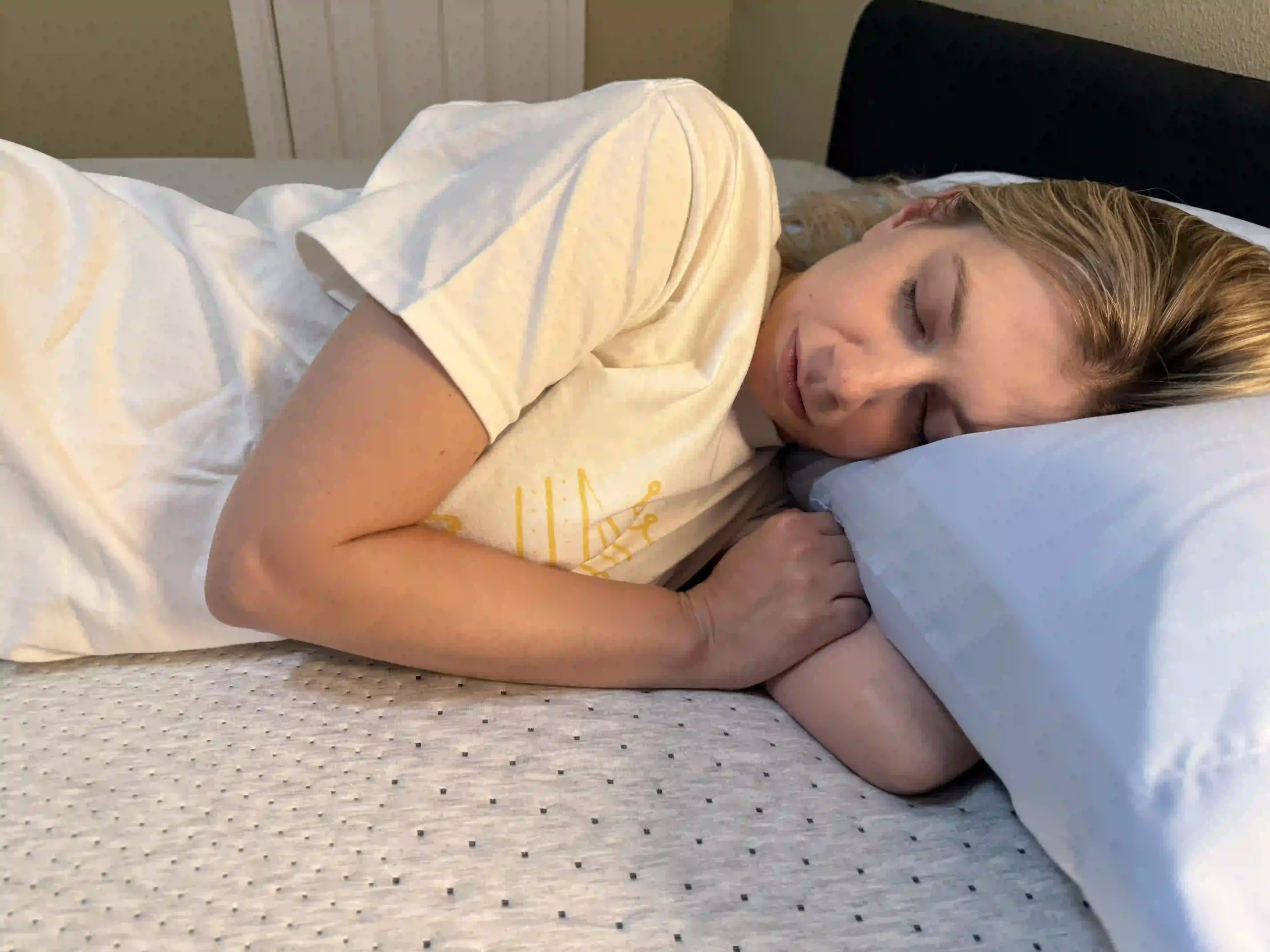
Studies estimate that 1 in 3 Americans do not get adequate sleep for their needs. Although sleep quality matters, not just the number of hours, most adults need AT LEAST 7 hours of sleep, but it can vary by age.
Here is a a breakdown of how many of hours of sleep per 24 hours that the CDC recommends by age.
| Age group | Recommended sleep per 24 hours |
|---|---|
| Newborns (0–3 months) | 14–17 hours |
| Infants (4–12 months) | 12–16 hours (including naps) |
| Toddlers (1–2 years) | 11–14 hours (including naps) |
| Preschoolers (3–5 years) | 10–13 hours (including naps) |
| School-age children (6–12 years) | 9–12 hours |
| Teens (13–18 years) | 8–10 hours |
| Adults (18–60 years) | 7 or more hours |
| Adults (61–64 years) | 7–9 hours |
| Adults (65+ years) | 7–8 hours |
The amount of sleep you need changes with age. Anyone who has been around a newborn knows this, as newborns do not yet have an established circadian rhythm, and they need a much higher amount of sleep than any other age group.

Newborns and Infants (Birth to 1 Year)
Sleep timing in newborns is distributed evenly across day and night for the first few weeks of life, with irregular sleeping and waking patterns. Newborns sleep approximately 16 to 18 hours per day discontinuously, with the longest continuous sleep episode typically lasting 2.5 to 4 hours.
Toddlers (Ages 1 to 3) and Children (Ages 3 to 9)
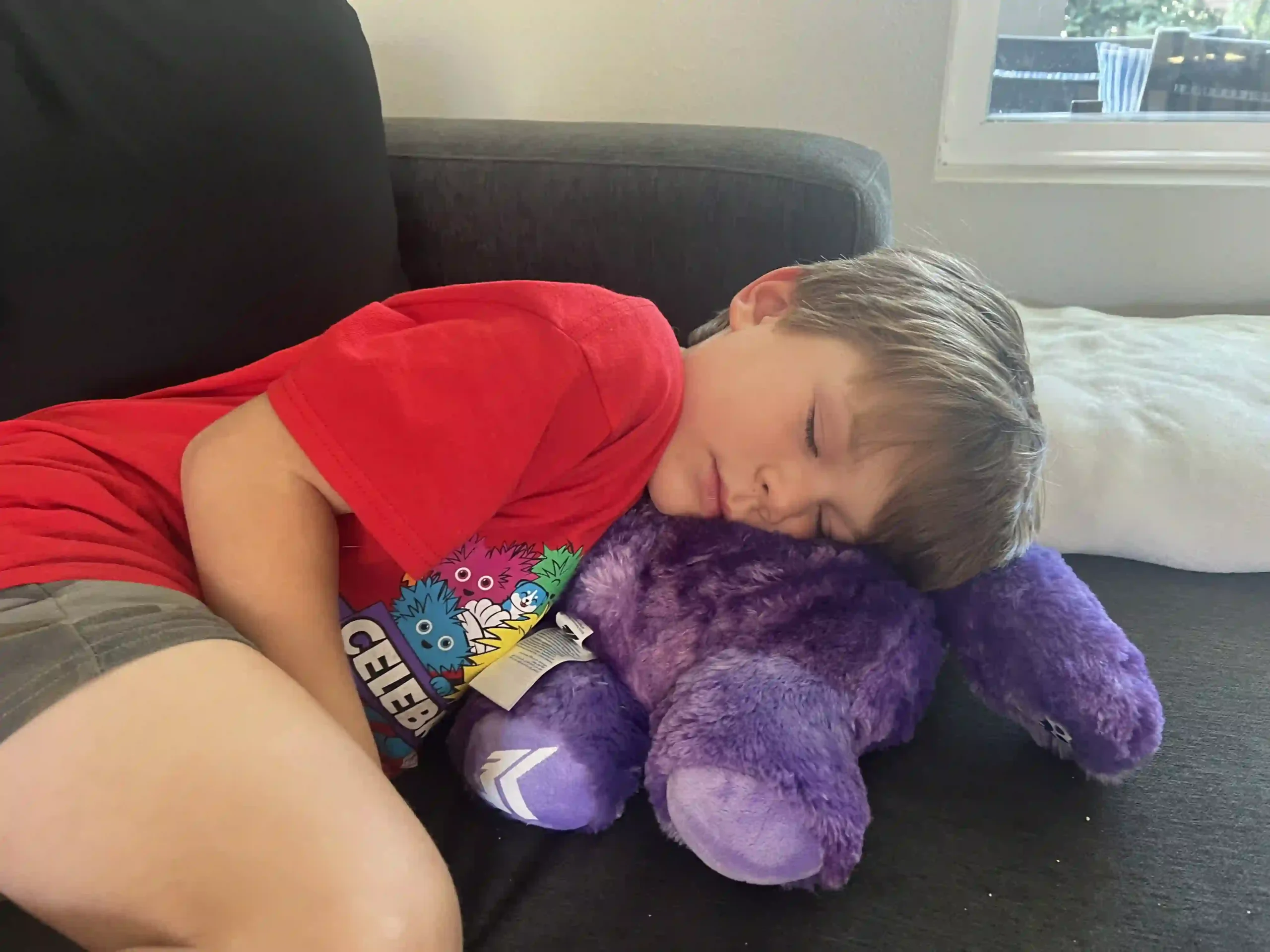
Around 2 to 5 years of age, the total sleep time needed each day decreases by 2 hours, from 13 to 11 hours.
Adolescents (Age 10 to 18)
The total sleep time required for adolescents is 9 to 10 hours each night.
Adults (Ages 18+)
The recommended amount of sleep is 7 hours or more each night.
Sleep Cycle Stages
Humans sleep in cycles, moving through four to six sleep cycles each night, with each cycle averaging 90 minutes. There are two phases of sleep, Rapid Eye Movement (REM) and Nonrapid Eye Movement (NREM) sleep, which is further divided into three stages—N1 to N3. Each phase and stage of sleep includes variations in muscle tone, brain wave patterns, and eye movements, and serves a different purpose for the body’s rest and repair system.
N1 (Stage 1) – Light Sleep (5%)
EEG recording: theta waves – low voltage
This is the lightest stage of sleep. Muscle tone is present in the skeletal muscle, and breathing occurs regularly. This stage lasts around 1 to 5 minutes, comprising 5% of total sleep time.
N2 (Stage 2) – Deeper Sleep (45%)
EEG recording: sleep spindles and K complexes
This stage represents deeper sleep as the heart rate and body temperature drop. Stage 2 sleep lasts around 25 minutes in the first cycle and lengthens with each successive cycle, eventually comprising about 45% of total sleep. This stage of sleep is when bruxism (teeth grinding) occurs.
N3 (Stage 3) – Deepest Non-REM Sleep (25%)
EEG recording: delta waves – lowest frequency, highest amplitude
N3 is also known as slow-wave sleep (SWS). This is considered the deepest stage of sleep and is the most difficult stage to awaken from. As people age, they spend less time in this slow, delta-wave sleep and more time in stage N2 sleep. This is the stage when the body repairs and regrows tissues, builds bone and muscle, and strengthens the immune system. This is also the stage when sleepwalking, night terrors, and bedwetting occur.
REM (25%)
EEG recording: beta waves – similar to brain waves during wakefulness
REM is associated with dreaming and is not considered a restful sleep stage. While the EEG is similar to an awake individual, the skeletal muscles are atonic and without movement, except for the eyes and diaphragmatic muscles, which remain active. However, the breathing rate is more erratic and irregular. This stage usually starts 90 minutes after the sleep state, with each REM cycle increasing throughout the night. The first cycle typically lasts 10 minutes, with the final cycle lasting up to 1 hour. REM is when dreaming and nightmares occur.
Important characteristics of REM:
- Associated with dreaming and irregular muscle movements as well as rapid movements of the eyes
- People tend to awaken spontaneously in the morning during an episode of REM sleep
- Loss of motor tone, increased brain O2 use, increased and variable pulse and blood pressure
- Increased levels of ACh
- The brain is highly active throughout REM sleep, increasing brain metabolism by up to 20%.
Sleep Cycle Highlights:
- In a normal sleep period, a person experiences four to six sleep cycles.
- While cycles vary in length, the average length of the full sleep cycle lasts 90 minutes.
- Rapid Eye Movement (REM) Sleep makes up 20 to 25% of total sleep in healthily sleeping adults.
- As you cycle through non-rapid eye movement (NREM) sleep, various bodily functions slow down or stop altogether. Metabolism drops by around 15% and both heart rate and blood pressure go down.
- Stage 3 NREM sleep or “deep sleep” is believed to be the most critical stage of sleep for regenerating your body and brain. Deep sleep decreases across the lifespan, with one receiving less deep sleep as they get older.
- On average, we spend about two hours per night dreaming mostly during REM sleep.
Why Sleep Matters for Health
Getting a good night’s sleep each night can be one of the best things we do for our health and wellbeing. There are many benefits to consistently getting the recommended or above the recommended amount of sleep per night (seven hours or more for adults).
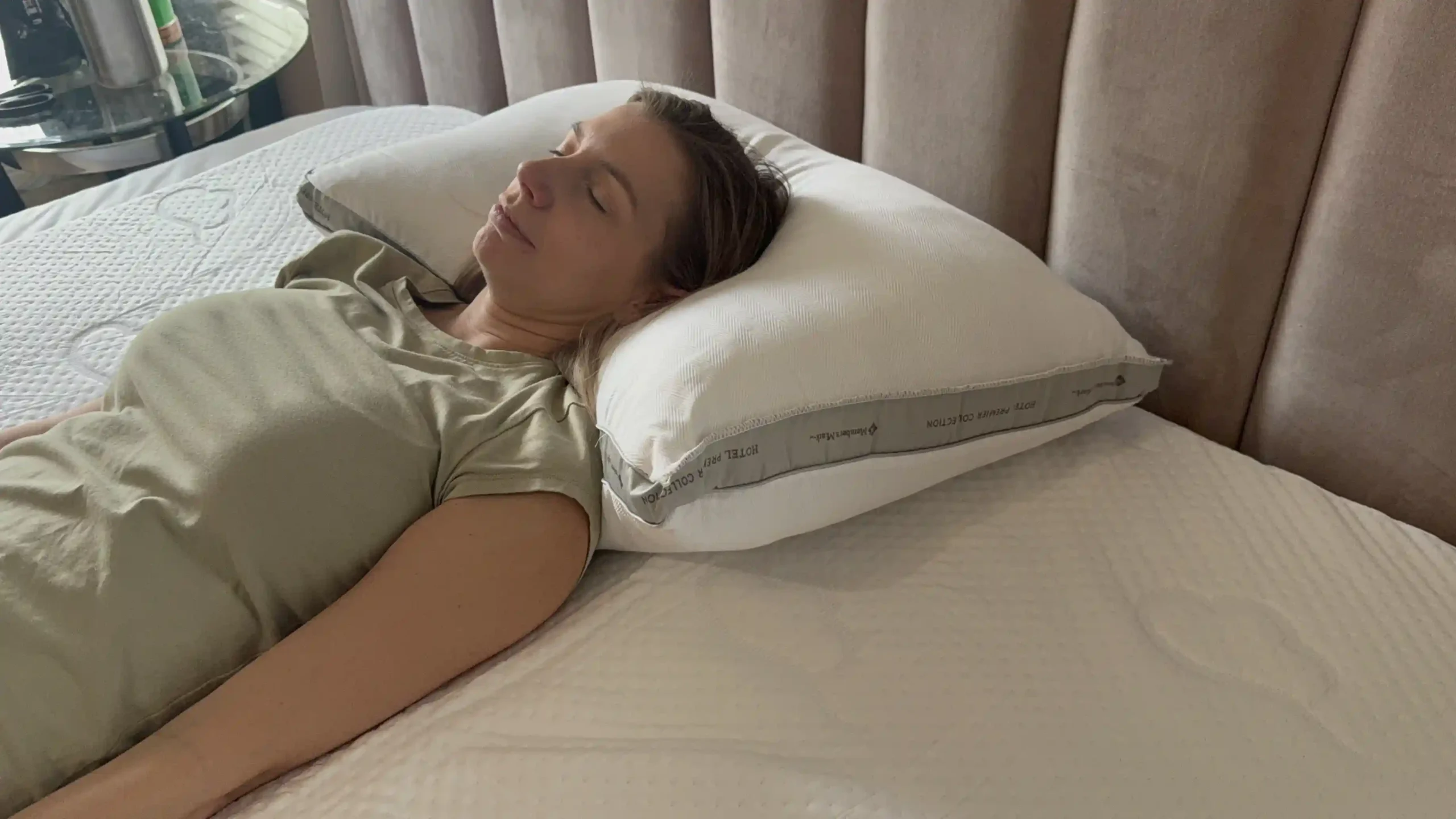
When your body is rested, your immune system is boosted so you are less likely to get sick. You’re also at less risk for health issues such as heart disease, high blood pressure, type 2 diabetes, and strokes.
Getting enough sleep can help you:
- Get sick less often.
- Stay at a healthy weight.
- Reduce stress and improve your mood.
- Improve your heart health and metabolism.
- Lower your risk of chronic conditions like:
- Type 2 diabetes.
- Heart disease.
- High blood pressure.
- Stroke.
- Lessen the risk of motor vehicle crashes and related injury or death.
- Improve your attention and memory to better perform daily activities.
What To Do To Get Better Sleep
If you are reading this article aware that you are not getting adequate sleep for your body’s needs, there are many steps you can take to better support your circadian rhythm (the 24-hour cycle of physical, mental, and behavioral changes, driven mainly by light and darkness, that regulate essential functions like sleep-wake cycles, hormone release, appetite and body temperature) and improve your sleep.
Research shows that blue light, particularly from screens and LEDs significantly disrupts sleep by suppressing melatonin, reducing deep sleep and shifting your circadian rhythm. Putting your phone and laptop away and out of sight beginning at least 30 minutes before you go to sleep can make a big impact on your body’s ability to fall asleep and stay asleep. Watching TV before bed may also have disruptive effects to the body’s ability to fall asleep, especially if the programming is action or violence-oriented, as those programs are more likely to produce adrenaline and cortisol (stress hormones) in the body making it more difficult to settle and fall asleep.
The lighting in your home may also be playing a role in poor sleep. LED lights, particularly those emitting cool white or blue-toned light, may suppress melatonin production at nighttime. Dimming lights, switching to candles at nighttime, or opting for warmer-colored lights (yellows, oranges, reds) can make a positive impact on melatonin production and easing into sleep.
Optimizing your circadian rhythm is best done by trying to go to bed and wake up at the same time each night and morning. Too great of a variation in sleep and wake times deliver unclear sleep signals to the body, making it harder for the body to reliably fall asleep and stay asleep.
Habits That May Improve Sleep
Habits that can improve your sleep include:
- Going to bed and getting up at the same time every day.
- Keeping your bedroom quiet, relaxing, and at a cool temperature (between 68 and 72 degrees for optimum sleep).
- Turning off electronic devices at least 30 minutes before bedtime.
- Avoiding large meals, nicotine and alcohol before bedtime.
- Adopting a bedtime routine with soothing activities like stretching, taking a bath, or reading
- Avoiding caffeine in the afternoon or evening.
Common Sleep Disorders and When to Get Evaluated
There are many sleep disorders that can contribute to poor sleep quality and habits.
Insomnia: when someone struggles to fall asleep and stay asleep
-
Up to two-thirds of adults occasionally experience insomnia symptoms
-
10-15% of people experience chronic insomnia, a type of insomnia that persists over multiple months
-
Women are 40% more likely to have insomnia than men are.
-
Up to 75% of older adults experience symptoms of insomnia. According to a 2019 study, incidences of multiple physical and psychiatric disorders are higher in older adults with insomnia than those without.
Sleep apnea: where breathing repeatedly stops and starts during sleep, preventing oxygen from reaching the body and brain. Bruxism, the unconscious clenching, gnashing or grinding of teeth is common with sleep apnea sufferers.
-
Only 6 million people in the United States are diagnosed with sleep apnea, leaving 80% of those who struggle with sleep apnea undiagnosed.
- Symptoms of sleep apnea include: asping for air, pauses in breathing, dry mouth, morning headaches or excessive sleepiness during the daytime.
-
More men have sleep apnea than women
-
The airway physically narrows or completely closes off, leading to a huge decrease in oxygen to the body.
-
Sleep apnea and snoring are not the same, but many sleepers with sleep apnea snore loudly.
-
bout 57% of men, 40% of women, and 27% of children snore in the U.S.
Narcolepsy: a chronic neurological sleep disorder marked by excessive daytime sleepiness (EDS) and sudden sleep attacks.
Restless Legs Syndrom: a neurological disorder causing an irresistable urge to move the legs, usually accompanied by uncomfortable sensations (tingling, crawling, aching) that worsen at rest or during the night.
Sleep Differences By Gender
There are many sleep differences between men and women. Men tend to spend a greater amount of time in stage N1 sleep and experience more nighttime awakenings, so there is a greater propensity for daytime sleepiness. Women maintain slow-wave sleep longer than men and tend to complain more often of difficulty falling asleep.
Timing: Generally, women experience the urge to sleep earlier than males
Chronotype: Men are more likely to be night owls with a preference for staying up later than women.
Hormonal differences: for women, shifts that occur during menstruation, pregnancy, breastfeeding, and the menopausal transition can cause or contribute to sleep difficulties
Chronotype: Are You an Early Bird or Night Owl?
Your chronotype is your body’s natural preference to sleep and wake at certain times of the day. It is closely related to the circadian rhythm and is different for each person.
Your chronotype is the unique way your body responds to the 24-hour daily cycle. It determines your peak time for concentration, physical performance and creativity and may or may not align with sunrise and sunset as your body’s ideal wake and sleep times.
How much time does it take to fall asleep?
On average, it takes 28.6 minutes for a person to fall asleep.
- Most people (34%) report falling asleep within 16 to 30 minutes of going to bed.
- 20% of people fall asleep in 31 to 45 minutes.
- 9% take 46 to 60 minutes.
- 10% say it takes them an hour or more to fall asleep.
As humans, our need for good sleep is innate. Depending on our age, our sex, our chronotype and our location, we each have widely varied and unique needs for when and how we sleep. Play around with your sleep settings and times to discover what works best for your body.
How Much Sleep Do You Need FAQs
Is 6 hours of sleep enough?
No, not for most adults. The CDC and American Academy of Sleep Medicine recommends that adults should get at least 7 hours of sleep on a regular basis to maintain good health.
Some people are able to function well with less than 7 hours of sleep, but getting loess than 7 hours consistently has been linked to worse health overall.
Is it better to sleep 8 hours at the same time every night?
Yes, keeping a regular sleep schedule by going to bed and waking up at the same time is ideal. The CDC specifically makes this recommendation and says it is a key sleep habit.
How long should it take to fall asleep?
Most healthy adults should gall asleep in 10 to 20 minutes. Falling asleep the moment your head hits the pillow can be a possible indication of sleep deprivation. It it takes you longer than 20 – 30 minutes to fall asleep, you should evaluate your sleep environment, routine and stress level. This is longer than normal and there could be a problem.
When should snoring be a concern?
You might want to consult a medical professional about your snoring when it is frequent, loud or paired with other symptoms like gasping for air, pauses in breathing, dry mouth, morning headaches or excessive sleepiness during the daytime. These can be warning signs of sleep apnea, which is a medical condition that should be evaluated by a doctor.
Snoring itself is common, but snoring with problems breathing or daytime fatigue is cause for concern.
Ready To Sleep Better?
Take our quiz to find the mattress that fits your sleep style and budget.
"I found my perfect mattress in 60 seconds." - Sarah H., side sleeper
✅ Super fun! 🥳
⭐ Trusted by 10,000+ sleepers 😴
🛏 Personalized mattress match 💤