

If you’ve ever woken up sweaty, tossed off the covers in the middle of the night, or felt like your bed was trapping heat instead of helping you rest, you’re not alone. Sleeping hot is one of the most common mattress complaints – and it can seriously impact sleep quality. The good news is that there are clear reasons why it happens, and most of them are fixable.
Your Mattress Material Is Trapping Heat
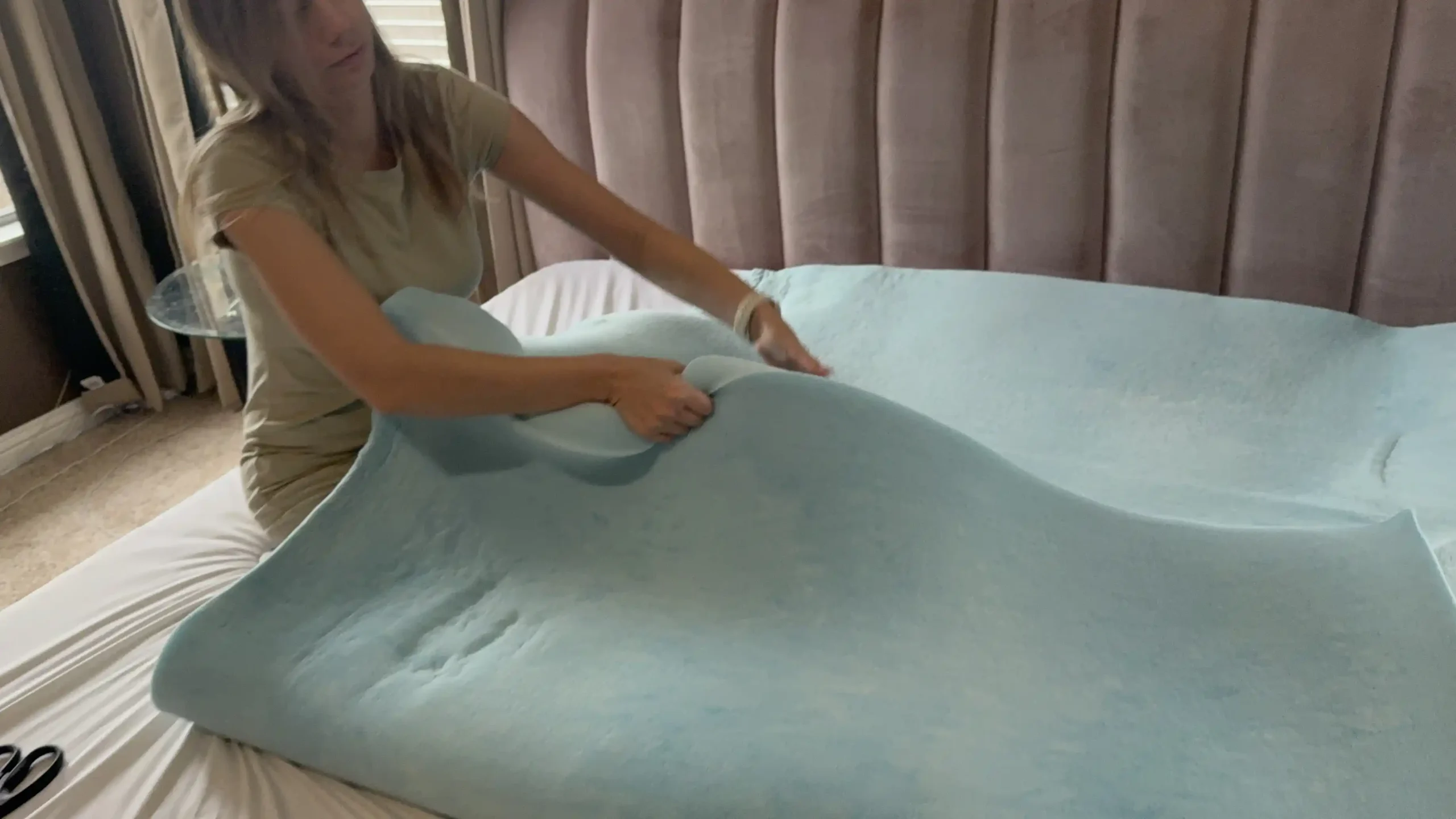
The biggest factor in mattress temperature is the material inside it.
- Memory foam is the most common culprit. It’s designed to contour closely to your body, which reduces airflow and traps heat.
- Polyfoam (standard foam) behaves similarly, though usually to a lesser degree.
- Latex foam tends to sleep cooler because it’s more breathable and responsive.
- Innerspring and hybrid mattresses allow more airflow thanks to open coil systems.
If your mattress hugs your body deeply and slowly, it’s more likely to retain heat.
You’re Not Getting Enough Airflow
Airflow is what allows heat to escape while you sleep. Some mattresses are simply better at this than others.
Mattresses with:
- Open coil layers
- Breathable covers
- Perforated foam or latex
…tend to circulate air better. On the other hand, solid foam layers without ventilation can act like insulation, keeping heat close to your body.
Your Bedding Is Working Against You
Sometimes the mattress isn’t the only issue – your sheets and blankets might be making things worse.
- Synthetic fabrics (like polyester or microfiber) trap heat
- Heavy comforters can reduce airflow
- Mattress protectors – especially waterproof ones – can block breathability
Switching to lighter, more breathable materials like cotton, linen, or bamboo can make a noticeable difference.
Your Room Environment Plays a Role
Even the best cooling mattress can’t fully compensate for a warm bedroom.
If your room is:
- Poorly ventilated
- Naturally warm
- Lacking air circulation
…you’re more likely to sleep hot regardless of your mattress.
Experts generally recommend keeping your bedroom between 60–67°F (15–19°C) for optimal sleep.
Your Body Heat and Sleep Style Matter
Some people naturally sleep hotter than others.
Factors include:
- Metabolism
- Hormonal changes
- Body weight
- Sleeping position
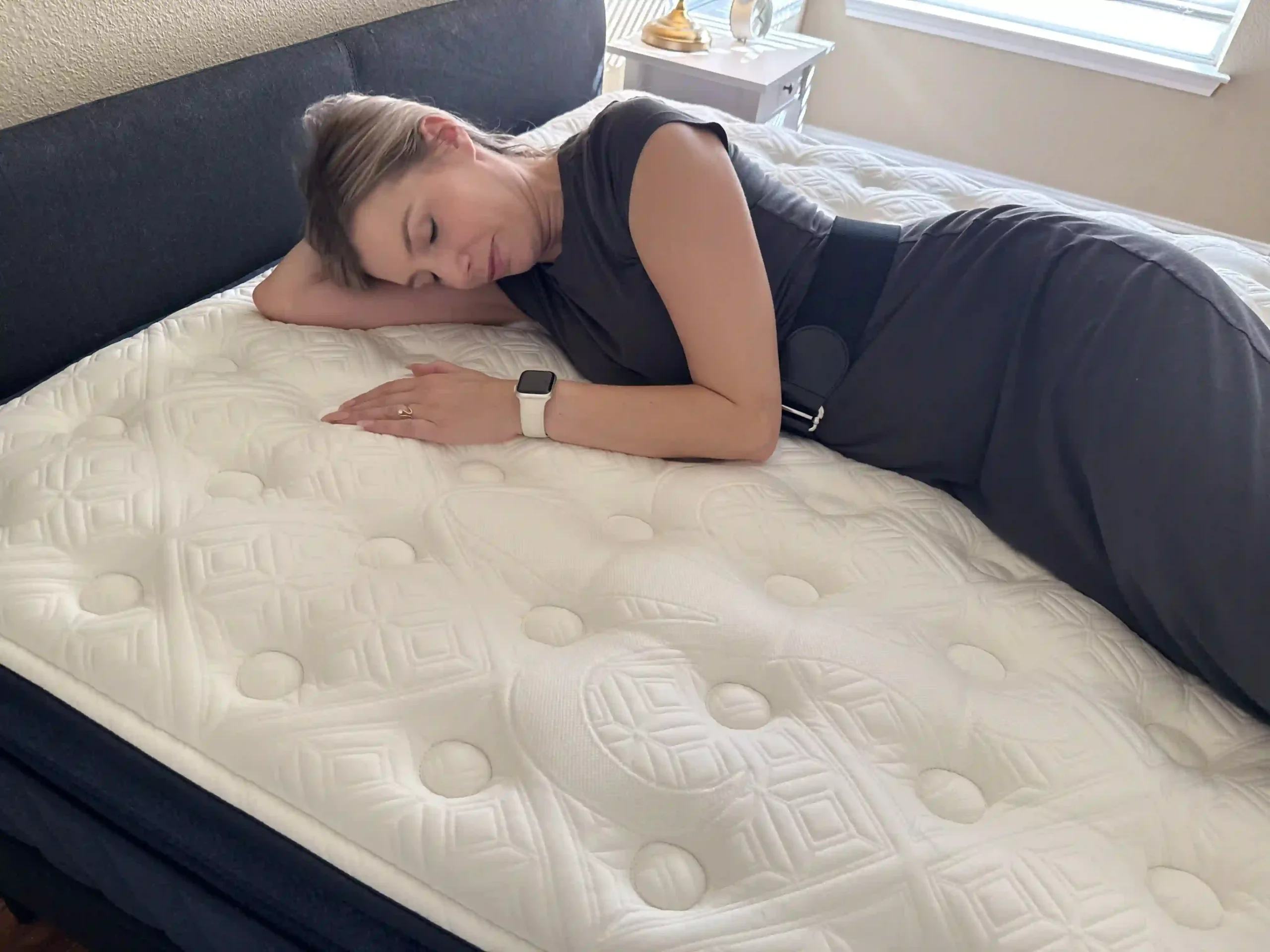
For example, side sleepers sink deeper into mattresses, which can reduce airflow around the body. Back and stomach sleepers tend to stay cooler because they have more surface exposure.
Your Mattress Is Aging
Older mattresses can sleep hotter over time.
As materials break down:
- Foam becomes softer and traps more heat
- Support layers lose structure
- Airflow pathways collapse
If your mattress is 7–10 years old and sleeping hotter than it used to, wear and tear could be part of the problem.
Read More: Mattress Materials Guide: Which Type Is Best for You? | Mattresses | Can a Weighted Blanket Cause Overheating?
How to Fix a Mattress That Sleeps Hot
You don’t always need a new mattress – there are several ways to cool things down:
Quick Fixes
- Switch to breathable sheets (cotton, bamboo, linen)
- Use a lighter blanket or cooling comforter
- Lower your room temperature or use a fan
- Remove or upgrade heat-trapping mattress protectors
Medium-Term Solutions
- Add a cooling mattress topper (look for latex or gel-infused foam)
- Use a bed cooling system or mattress pad with active airflow
Long-Term Solution
If your mattress is the core issue, consider replacing it with a model designed for cooling. Look for:
- Hybrid or innerspring construction
- Breathable comfort layers (latex, open-cell foam)
- Cooling covers or phase-change materials
Quick Takeaway
A mattress that sleeps hot usually comes down to heat retention, poor airflow, or external factors like bedding and room temperature. Identifying the root cause is key – once you know what’s driving the heat, you can take targeted steps to fix it.
If you’re consistently waking up too warm, it’s worth addressing. Cooler sleep isn’t just more comfortable – it can lead to deeper, more restorative rest.
How Different Sleep Technologies Affect Temperature
Not all “cooling” features are created equal. Mattress brands often market a wide range of technologies designed to regulate temperature, but their effectiveness can vary depending on how they’re used and what materials they’re paired with.
Gel-Infused Foam
Gel-infused memory foam is one of the most common cooling upgrades. The idea is simple: gel beads or layers are added to foam to absorb and disperse heat.
While this can provide an initial cooling sensation when you first lie down, the effect is often temporary. Once the gel reaches your body temperature, it stops actively cooling and behaves similarly to traditional foam.
Phase-Change Materials (PCM)
Phase-change materials are designed to absorb, store, and release heat as your body temperature fluctuates.
They can:
- Pull heat away when you’re too warm
- Release heat back when you cool down
This creates a more balanced sleep temperature rather than a constantly “cool” surface. PCM is generally more effective than gel for long-term temperature regulation, but it works best when combined with breathable mattress construction.
Open-Cell Foam
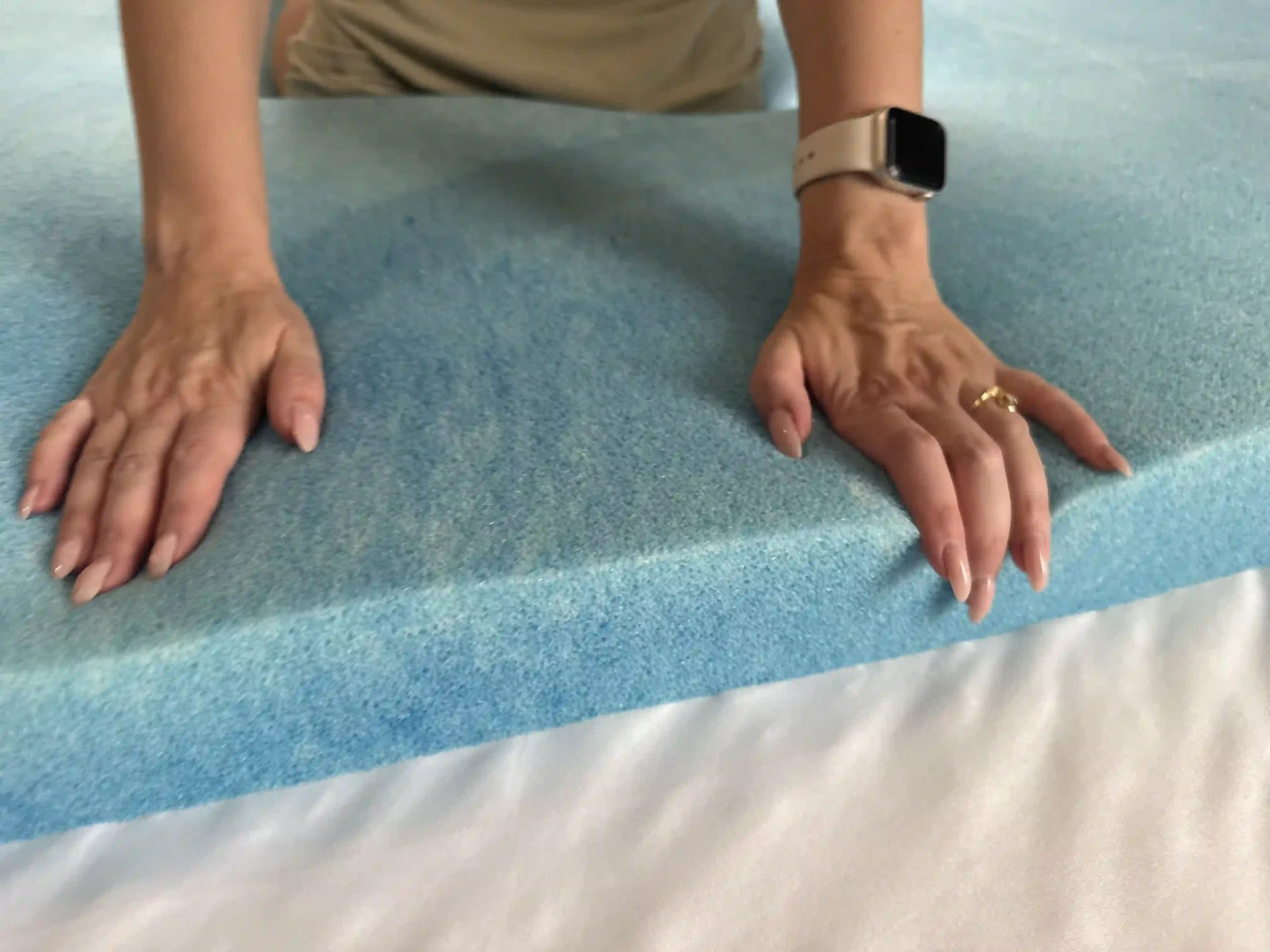
Traditional memory foam has a dense, closed structure that traps heat. Open-cell foam is engineered with tiny air pockets that allow more airflow.
Benefits include:
- Improved ventilation
- Reduced heat buildup
- Faster response time compared to dense foam
However, it still won’t match the airflow of coil-based systems or naturally breathable materials like latex.
Latex Foam (Natural vs. Synthetic)
Latex is often promoted as a cooling material, but the type matters.
- Natural latex is more breathable and temperature-neutral
- Synthetic latex may retain slightly more heat depending on its formulation
Additionally, latex is often perforated with small holes to increase airflow, making it one of the more consistently cool foam options available.
Active Cooling Systems
Some high-end sleep systems go beyond passive cooling and actively regulate temperature.
These include:
- Water-based mattress pads that circulate cooled liquid
- Air-based systems that push cool air through the bed
Unlike passive materials, these systems can maintain a consistently cool surface throughout the night – but they tend to be more expensive and require setup and maintenance.
The Role of Humidity in Sleeping Hot
Temperature isn’t the only factor that affects how hot you feel at night – humidity plays a major role as well.
When humidity is high:
- Sweat evaporates more slowly
- Your body struggles to cool itself naturally
- Bedding can feel damp and uncomfortable
Even if your room temperature is technically within the recommended range, high humidity can make it feel much warmer.
How to Manage Humidity
- Use a dehumidifier if your room feels damp
- Run air conditioning to reduce moisture levels
- Choose moisture-wicking sheets and pillowcases
Keeping humidity between 30–50% can significantly improve sleep comfort, especially if you tend to sweat at night.
Why Your Pillow Might Be Making You Hotter
Mattresses get most of the attention, but your pillow can also trap a surprising amount of heat.
Common issues include:
- Dense memory foam pillows retaining heat around your head and neck
- Synthetic fills that don’t breathe well
- Pillow protectors that block airflow
Because your head plays a key role in regulating body temperature, overheating in this area can make your entire body feel warmer.
Cooling Pillow Options
- Shredded memory foam (allows more airflow than solid foam)
- Latex pillows with ventilation holes
- Down or down-alternative fills with breathable covers
Switching to a more breathable pillow is often a quick, low-cost improvement that can noticeably reduce heat.
How Sleepwear Impacts Body Temperature
What you wear to bed matters just as much as what you sleep on.
Fabrics That Trap Heat
- Polyester
- Nylon
- Spandex-heavy blends
These materials tend to hold onto heat and moisture, which can make you feel hotter and sweatier.
Fabrics That Help You Stay Cool
- Cotton (lightweight and breathable)
- Bamboo (moisture-wicking and soft)
- Linen (excellent airflow, especially in warm climates)
Loose-fitting sleepwear also allows for better air circulation compared to tight clothing.
Some people find that sleeping with minimal clothing – or none at all – helps regulate temperature more effectively.
The Impact of Your Bed Frame and Foundation
Even your bed frame can influence how hot your mattress feels.
Solid Foundations
Platform beds or solid bases can:
- Limit airflow underneath the mattress
- Trap heat within the bed structure
Slatted Bases
Slatted frames allow:
- Air to circulate beneath the mattress
- Heat to dissipate more effectively
If you’re using a foam mattress on a solid base, switching to slats (with proper support spacing) can help improve ventilation.
Seasonal Changes and Sleep Temperature
If your mattress suddenly feels hotter at certain times of the year, seasonal shifts could be the reason.
Summer Challenges
- Higher ambient temperatures
- Increased humidity
- Warmer bedding habits carrying over from cooler months
Winter Considerations
Interestingly, some people still overheat in winter due to:
- Heavy blankets and comforters
- Indoor heating systems drying out the air
- Layering too many sleep accessories
Adjusting your bedding seasonally – just like you would your wardrobe – can help maintain a comfortable sleep temperature year-round.
When Sleeping Hot Might Be a Health Signal
While mattresses and bedding are common causes, persistent overheating at night isn’t always just a comfort issue.
Possible Underlying Factors
- Hormonal changes (such as menopause)
- Stress or anxiety
- Certain medications
- Sleep disorders
Occasional overheating is normal, but if you experience frequent night sweats or sudden changes in temperature regulation, it may be worth paying closer attention. Mayo Clinic notes that recurring night sweats, interrupted sleep, or symptoms like fever, weight loss, cough, pain, or diarrhea are reasons to schedule a medical visit.
When to Look Beyond Your Mattress
- You wake up drenched in sweat regularly
- The issue persists despite improving your sleep setup
- You notice other symptoms alongside overheating
In these cases, environmental fixes alone may not fully solve the problem.
Choosing a Cooler Mattress: What to Prioritize
If you decide to replace your mattress, it helps to know what actually makes a difference – not just what sounds good in marketing.
Focus on Airflow First
Airflow is the most reliable way to reduce heat buildup.
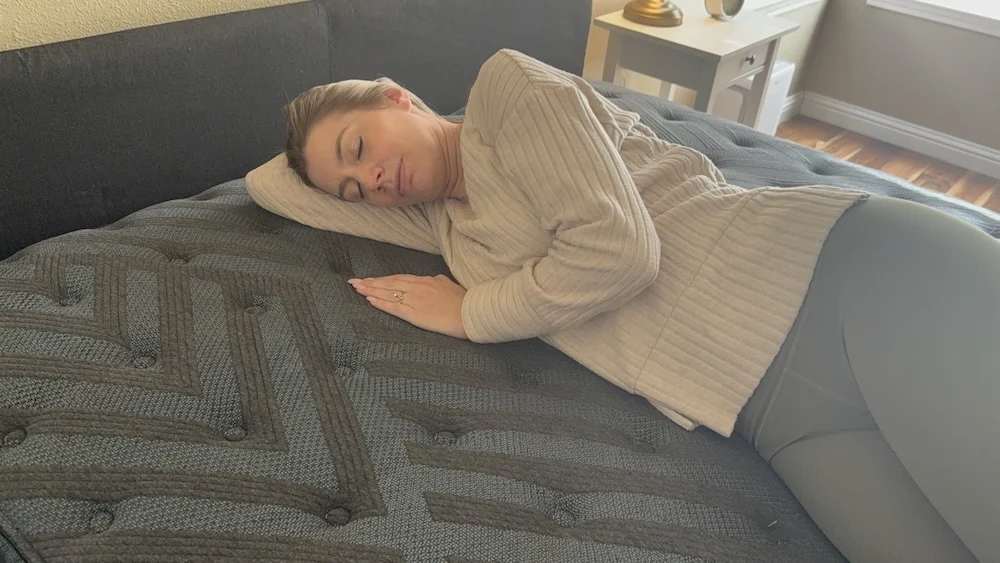
Look for:
- Coil systems (in hybrids or innersprings)
- Breathable layer construction
- Ventilated foams or latex
For a real-world example, we also tested whether the DreamCloud Premier sleeps hot and how its hybrid construction handles airflow.
Be Skeptical of “Cooling” Claims
Terms like “cooling gel” or “ice fabric” can be misleading if they’re not backed by real design improvements.
Ask:
- Does this mattress actually allow heat to escape?
- Or does it just feel cool for a few minutes?
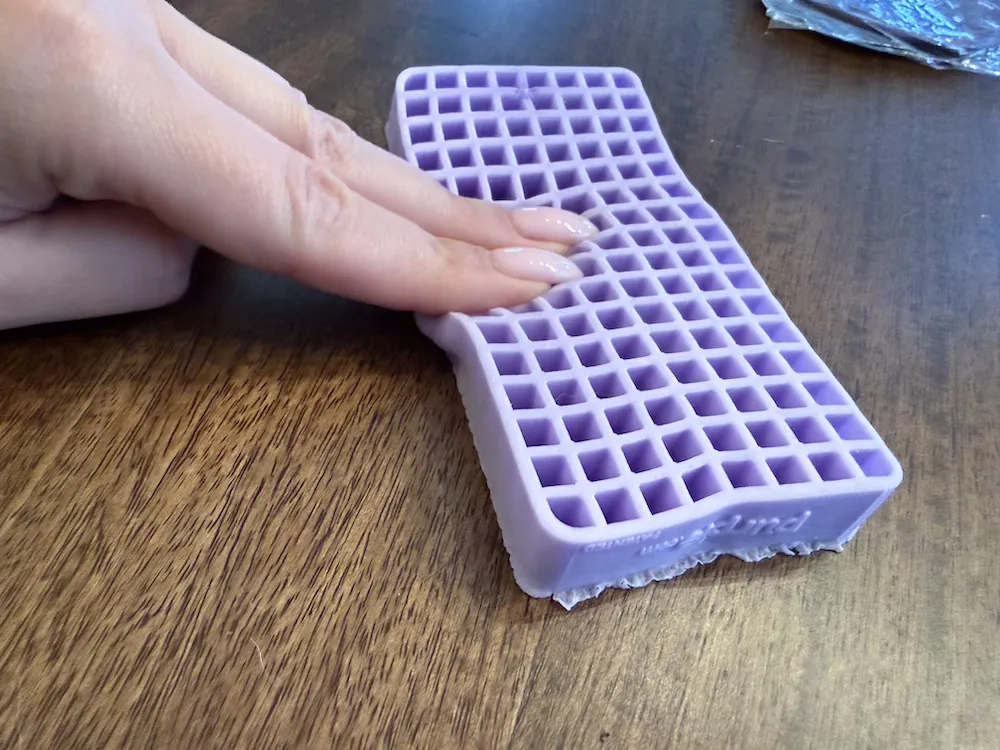
For a different style of cooling design, we also tested whether the Purple mattress sleeps cool and how its GelFlex Grid compares to traditional foam.
Consider Firmness Level
Softer mattresses tend to trap more heat because you sink deeper into them.
A slightly firmer surface:
- Keeps more of your body exposed to air
- Reduces heat buildup around pressure points
Evaluate the Cover Material
The outer cover is your first point of contact.
Better options include:
- Breathable knit fabrics
- Moisture-wicking blends
- Removable, washable covers
Common Mistakes That Make Beds Hotter
Sometimes, overheating comes down to simple habits that are easy to overlook.
Layering Too Much
Adding multiple toppers, pads, and thick blankets can trap heat – even if each layer is labeled “cooling.”
Ignoring Air Circulation
A perfectly designed mattress won’t perform well in a room with stagnant air.
Using the Wrong Protector
Waterproof protectors are useful, but many act as barriers that block airflow.
Keeping the Same Setup Year-Round
What works in winter may not work in summer.
Rotating your bedding and adjusting your setup seasonally can prevent unnecessary overheating.
Small Changes That Add Up
You don’t always need a major overhaul to sleep cooler. Often, a combination of small adjustments can make a noticeable difference.
For example:
- Switching to breathable sheets
- Using a fan for consistent airflow
- Choosing a lighter blanket
- Improving room ventilation
Each change might seem minor on its own, but together they can significantly reduce heat buildup and improve sleep quality.
Final Thoughts: Building a Cooler Sleep Environment
Sleeping hot is rarely caused by just one factor. More often, it’s the result of multiple elements working together – your mattress, bedding, room environment, and even your body’s natural tendencies.
The key is to think of your sleep setup as a system:
- Your mattress controls heat retention and airflow
- Your bedding affects breathability and moisture
- Your room environment sets the baseline temperature
When all three are aligned, you create a sleep environment that supports natural temperature regulation instead of working against it.
If you’re struggling with overheating, start with the easiest changes and work your way up. In many cases, you can dramatically improve comfort without immediately replacing your mattress.
And if you do decide to upgrade, focusing on airflow, breathable materials, and practical design will give you far better results than relying on marketing buzzwords alone.
Ultimately, cooler sleep isn’t just about comfort – it’s about creating the conditions your body needs to rest deeply and consistently throughout the night.
Frequently Asked Questions
Why does memory foam sleep hotter than other materials?
Memory foam is designed to contour closely to your body, which reduces airflow and creates a “hugging” sensation. While this is great for pressure relief, it also means your body heat gets trapped instead of dissipating, leading to a warmer sleep surface.
Do cooling mattresses actually work?
Yes – but not all cooling features are equal. Passive cooling (like breathable materials and airflow) tends to be more effective long-term than gimmicks. Some advanced mattresses also use phase-change materials or active cooling systems, which can noticeably reduce heat buildup.
Can a mattress topper make my bed cooler?
It can. Latex toppers and some gel-infused foam toppers are designed to improve airflow and reduce heat retention. However, adding any extra layer can also trap heat if it’s not specifically designed for cooling.
Are hybrid mattresses cooler than all-foam beds?
In most cases, yes. Hybrid mattresses use coil systems that allow air to move through the bed more freely, helping heat escape. All-foam beds tend to trap more heat due to their dense construction.
What is the coolest type of mattress?
Latex and hybrid mattresses are generally considered the coolest options. Latex is naturally breathable, and hybrids combine airflow from coils with comfort layers that don’t trap as much heat as traditional memory foam.
Do mattress protectors make you sleep hot?
They can. Waterproof mattress protectors, especially those made with plastic-like membranes, often reduce airflow and trap heat. If you sleep hot, look for breathable or cooling-specific protectors.
How much does room temperature affect sleep heat?
A lot. Even a highly breathable mattress won’t feel cool in a warm, stagnant room. Keeping your bedroom between 60–67°F and using fans or ventilation can significantly improve sleep comfort.
Why do I suddenly start sleeping hot on the same mattress?
This can happen for a few reasons, including seasonal temperature changes, aging mattress materials, changes in bedding, or even changes in your body (like hormones or metabolism).
Can sheets really make a difference?
Absolutely. Sheets are the layer directly against your skin, so their breathability matters. Natural fibers like cotton, linen, and bamboo tend to wick moisture and allow airflow better than synthetic fabrics.
Is sweating at night always caused by a hot mattress?
Not always. While your mattress can contribute, night sweats can also be caused by health conditions, medications, stress, or hormonal changes. If it’s persistent or severe, it may be worth looking beyond your sleep setup.
Does body weight affect how hot a mattress feels?
Yes. Heavier individuals tend to sink deeper into the mattress, which can reduce airflow and increase heat retention. This makes cooling features even more important.
Are gel-infused foams actually cooler?
They can help slightly by dispersing heat, especially in the short term. However, once the gel warms up, the effect can diminish. They’re helpful, but not as effective as airflow-focused designs.
Do cooling mattresses stay cool all night?
Most cooling mattresses are designed to reduce heat buildup rather than actively cool you. They help maintain a neutral temperature, but they won’t feel “cold” all night unless they use active cooling technology.
Should I replace my mattress if it sleeps hot?
If you’ve tried changing bedding, room temperature, and adding cooling layers without success, your mattress may be the main issue. In that case, upgrading to a more breathable design can make a significant difference.
What’s the fastest way to make my bed cooler tonight?
Switch to lighter bedding, turn down the thermostat, use a fan for airflow, and remove any thick or non-breathable layers. Even small changes can quickly improve comfort.
Ready To Sleep Better?
Take our quiz to find the mattress that fits your sleep style and budget.
"I found my perfect mattress in 60 seconds." - Sarah H., side sleeper
✅ Super fun! 🥳
⭐ Trusted by 10,000+ sleepers 😴
🛏 Personalized mattress match 💤