

If you are like me, once you are settled with your perfect mattress, you don’t give much thought to when it needs to be replaced. A lot of people keep their mattress much longer that they should, and doing so can slowly affect your health by lowering your sleep quality, giving you muscle and back aches and causing allergies to flare up. In this article, I will discuss how long should a mattress last and key signs it’s time to get rid of yours.
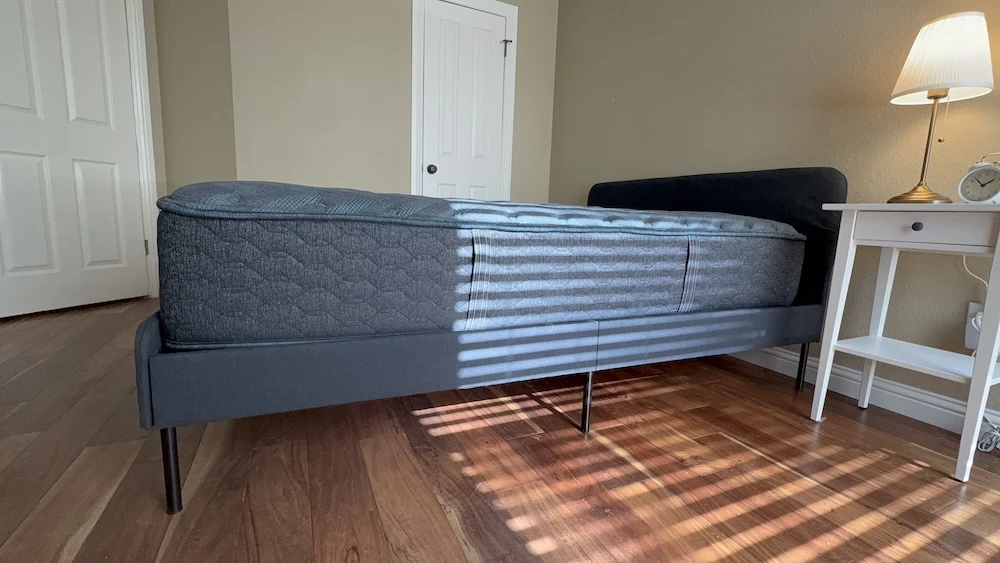
How Long Should a Mattress Last?
Consumer surveys have shown that the average American keeps their mattress 3 to 5 years longer that the industry standard recommend time of replacing your mattress every 7 to 10 years. Timelines can vary depending on the quality of your mattress and the materials, but there are several key factors you should be aware of to know when it’s time to replace your mattress. Just because your mattress doesn’t look worn out, doesn’t mean that it is not negatively impact your sleep quality and health.
Here are some basic guidelines for the average lifespan of a mattress by various materials:
| Mattress Type | Average Lifespan |
|---|---|
| Innerspring | 6–8 years |
| Memory Foam | 7–10 years |
| Hybrid | 8–10 years |
| Latex | 10–12+ years |
What Actually Determines Mattress Lifespan?
Now we’ll break down some key factors that can determine mattress lifespan. These also influence our testing criteria for our mattress reviews.
Materials & Construction Quality
Mattresses come in a variety of materials and construction quality can vary. The density of foam, latex type, and number and size of mattress coils can all impact the quality (and price) of a mattress.
The highest quality mattresses generally feature a hybrid construction combining natural latex with a high number of individually sealed pocket steel coils. Lower quality mattresses are generally made up entirely of foam.
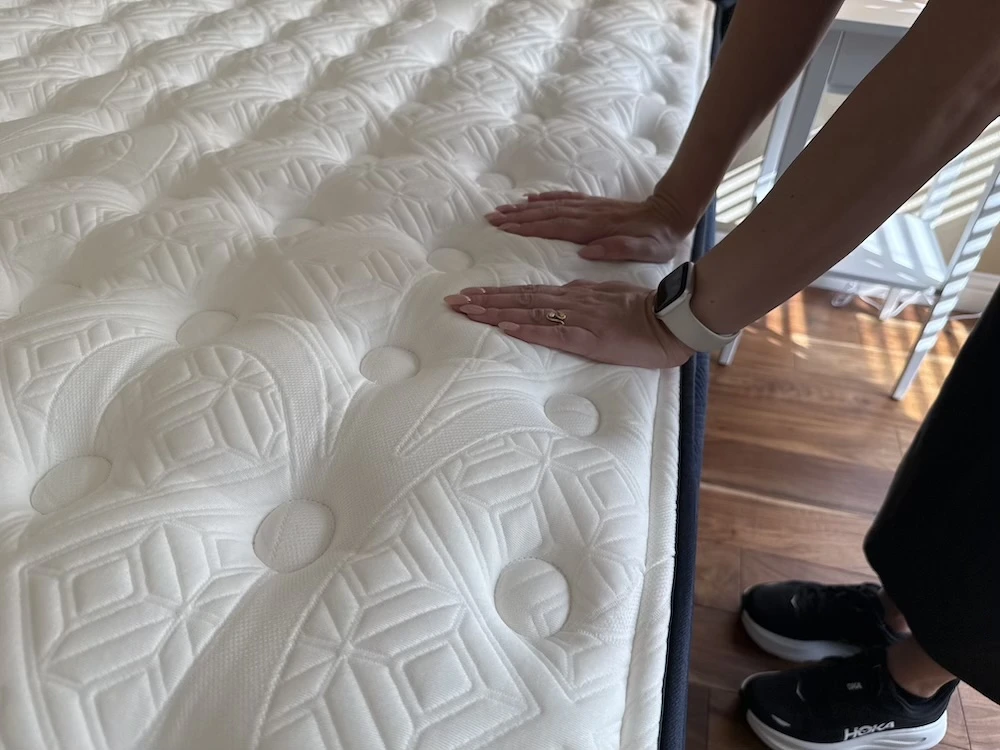
Sleeper Weight & Sleep Position
Your total weight and if you sleep alone or with a partner can also matter. Heavier total sleeper weight, and even how that weight is distributed on the mattress, can compress and wear down mattress materials faster.
Frequency of Use
Besides a higher sleeper weight, a higher frequency use can wear out the material faster. For example, a mattress that is only being used occasionally like in a guest room or vacation home, may last longer that your daily mattress.
Foundation & Support
Having proper mattress support in your box spring or bed frame can also insure the longevity of your mattress. Firm, high-quality support is important to have for preserving your mattress.
Maintenance Habits
Practicing good mattress maintenance habits can also help get more time out of your mattress purchase. Using a mattress protector or mattress pad can protect the material from moisture, dust, allergens and bodily fluids. Also regularly rotating your mattress (every 6 months) from head to toe can prevent certain spots getting more wear and tear and will preserve the life of your mattress.
10 Clear Signs It’s Time to Get Rid of Your Mattress
Below I will elaborate on 10 things to look for to determine if it’s time to replace your mattress. If 2 to 3 of these signs ring true for you, you should strongly consider getting a new mattress.
-
Visible Sagging or Indentations: this is one of the easiest signs to notice – if your mattress has a crater in in, then the material is worn down and needs to be replaces. Sagging and indentations can lead to back and muscle aches.
-
Waking Up With New Aches or Stiffness: you might think waking up with aches or stiffness is just a sign of your own old age, but it can actually be caused by an old mattress.

Waking up sore or stiff can be a sign that your mattress is no longer supporting you properly. -
You Sleep Better Anywhere Else: if you suddenly notice that after going on vacation or staying with friends and family that you actually slept better than in your own bed, then it’s most likely time to get a new mattress.
-
Increased Allergies or Congestion: if you start waking up feeling congested or with crusty eyes, if might be the build up of allergens in your old mattress. Allergy symptoms from a mattress are most likely triggered by a build of of dust mites. mold (from moisture build up in the foam layer or an accumulation of pet dander.
-
Foam That No Longer Springs Back: if you foam topper of your mattress is as flat as a pancake and no longer has give that bounces back, then the good days of your mattress are over.
-
Noise (Creaking, Squeaking): if your mattress is creaking and squeaking as your turn in bed, then the coils have seen better days and it’s time for a replacement.
-
Rolling Toward the Middle: if you notice that you are rolling to the middle of your bed without much effort, this could be a sign of more subtle sagging and indentation.
-
Hot Sleeping That Didn’t Used to Happen: many mattresses are designed with material that promote airflow and helps dis the heat from your body, but as the material ages, these helpful quality lessen, so if you notice that you are waking up hotter than normal, it might be time to replace your mattress.
-
Your Mattress Is Over 8 Years Old: while a general guideline for mattress replacement is 10 years, if you have noticed two or more of the other items on our list, and your mattress is over 8 years old, it’s time for a new one.
-
You’ve Changed Physically: if you have experienced a life change like a recent pregnancy, weight gain or loss, or an injury, you should consider a different mattress to meet your needs.
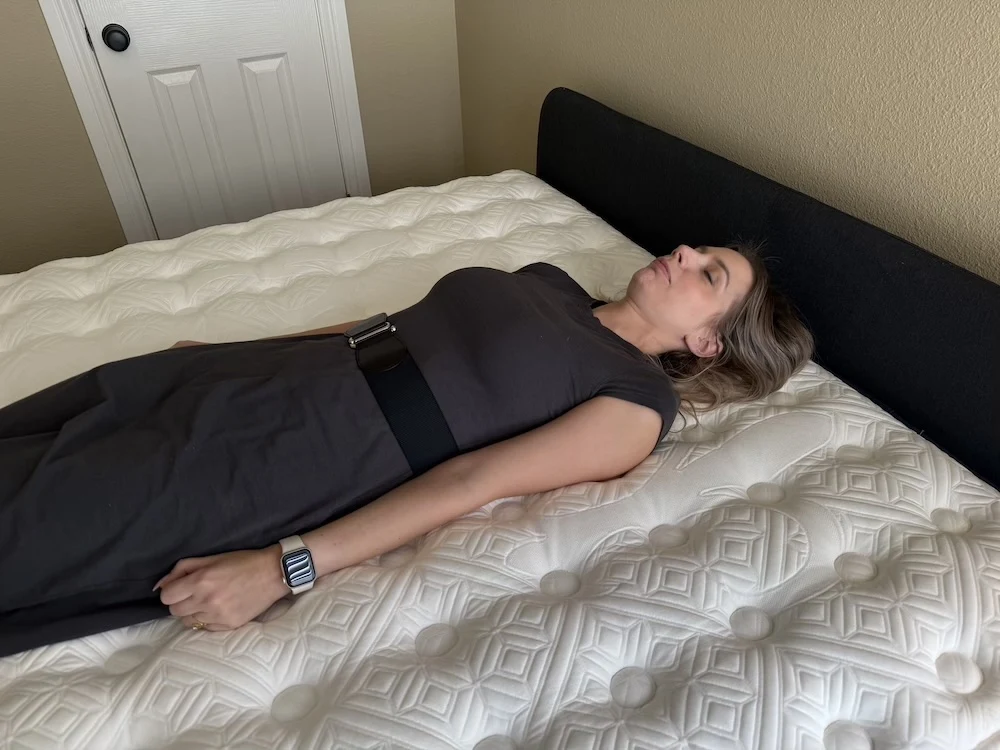
Expert Advice: “Poor sleep is associated with everything from obesity to depression, and it makes us less resilient. The U.S. Army Surgeon General puts sleep up there with nutrition and physical activity as being keys to good health.” — Dr. Rafael Pelayo, Clinical Professor, Stanford University School of Medicine
If you decide to replace an older mattress, do not assume the new bed is wrong after only one or two nights. It takes time for your body to become accustomed to a different level of firmness and support. Our guide explains how long it takes to adjust to a new mattress, what to expect during the break-in period and when continued discomfort may indicate a poor fit.
Health Impact of an Old Mattress
With many people spending a third of their day in bed, having a quality mattress is important to maintaining optimal health.
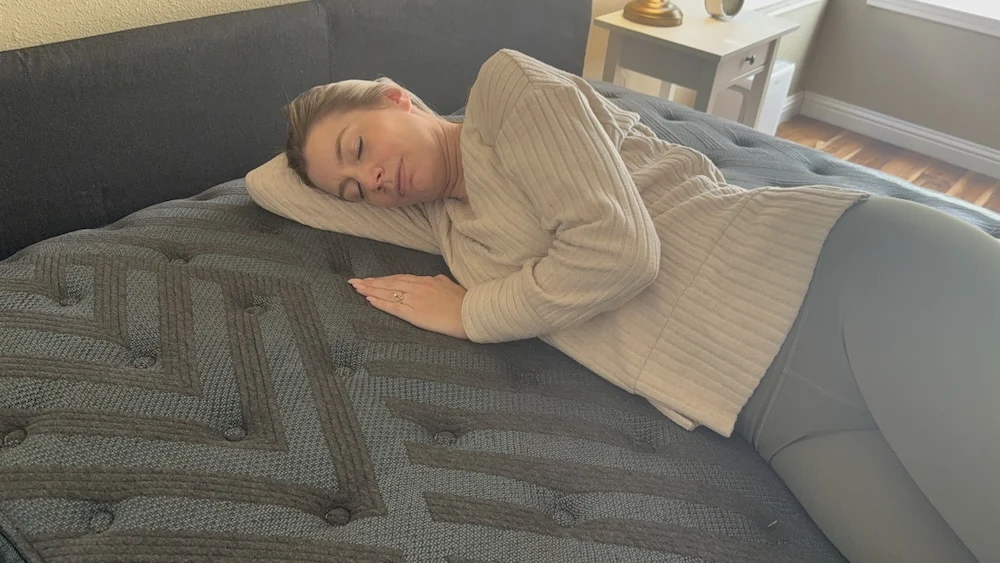
Mattress material quality can dimmish with age, so replacing your mattress when you notice a problem, or ideally before the problems start, will ensure that your health is not being impacted by something that you can easily fix.
Getting a good night’s rest is important for overall health, so if you can improve your sleep quality by replacing your mattress, why wouldn’t you? Worn down material that loses it’s bounce and firmness means that your spine and muscles might not be best supported.
Also, if you don’t have a mattress protector, it is more likely that dust, dander, and mold can build up within our mattress over time. Breathing in these irritants all night long can trigger congestion, itching and other allergy symptoms.
Can a Mattress Be “Worn Out” Without Looking Bad?
After doing our own research, we feel that the answers is yes, your mattress can be worn out without looking bad. You can’t see all the layers of material that are within your mattress. Over time they lose firmness from the daily pressure of your body and use, just like your running shoes start to lose cushion before you notice the treads have flattened on the bottom.
Foam fatigue happens internally and slowly over time. Coils start to weaken unevenly based on where you sleep and how your weight is distributed. Just because your mattress cover or pad still look in good condition and you don’t see any visual sagging or dents, doesn’t mean that the internal system is just as good.
Replacing your mattress before these visual signs appear means that you will not lose sleep quality or have your health impacted.
When You Don’t Need a New Mattress Yet
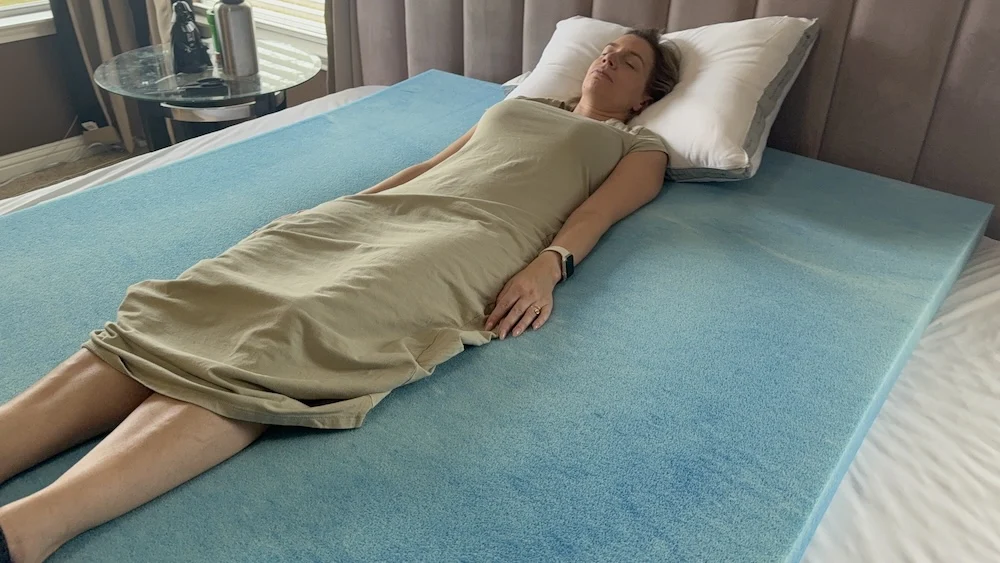
We’ve discussed numerous ways to know when you need to replace your mattress, but what are some key things to look for to determine that you don’t need a new mattress just yet?
If you notice that your bed isn’t as comfortable as it once was, but it’s not 7 years old, you can try purchasing a mattress topper or pad. This will be more affordable than replacing your mattress and will help give you some extra life out of the foundation of the mattress. There are many different types of toppers and pads on the market to meet various needs (i.e. more cushion, cooling/moisture wicking fabric if you sleep hot, or memory foam if you like to feel hugged.) A quality topper should be able to help address any minor comfort needs.
The age of the mattress may not matter as much if it is only getting occasional use. You should be able to get 10+ years out of a guest room mattress that is not being used daily and is not impacted by as much wear and tear.
Firm mattresses with high-quality latex also might last longer than other more plush mattresses. Since the construction is more solid, and the cushioning and spring tension don’t have as much range to lose their effectiveness.
Before replacing a mattress that is still structurally sound, consider whether a high-quality mattress topper could solve the problem. In our testing, the Puffy Deluxe Mattress Topper added significant softness and pressure relief without the cost of a new mattress.
What to Do With an Old Mattress
If you’ve finally decided to replace your mattress, you might be wondering what to do with your old one. Some major retailers, like Macy’s or Costco, offer to remove your old mattress for a fee with a purchase of a new mattress. Some mattress retailers like HasselLess Mattress and Beautyrest, will even remove your old mattress for free when you place an order.
If you are getting your new mattress in a compressed box or special delivery without professional set up that will also remove your old mattress, you might want to contact your city or regular trash removal service to see if they will take a bulk pick up request.
We do not recommend donating your mattress unless it is less than a year old. We donate some of the mattresses we have for testing after a month or two, but you should be mindful that there can be health and quality concerns or just the sheer difficulty of transportation, which is why many charity organizations that take home donations will not accept mattresses.
If you are looing for the cheapest way to dispose of your old mattress, you can always post it for free on Facebook marketplace or Craigslist and see if you get any interest.
FAQ’s on How to Know When to Replace Your Mattress
Is a 10-year-old mattress always bad?
Not always. While it is the industry standard that a mattress should be replaced after 10 year, if may still have years left if it is not used daily. Using mattress protectors or toppers and making sure to rotate your mattress every 6 month can help extend the life of your mattress beyond 10 years.
Can flipping extend mattress life?
Regularly rotating your mattress from head to toe can make sure you are getting more even wear on your mattress and should help avoid premature sagging and indentation.
Do expensive mattresses last longer?
While more expensive mattresses can mean higher quality, more durable materials, it doesn’t mean it will last longer than a mid-price mattress. How you use the mattress, maintain and clean in are more important to making your mattress last longer. If you are comparing a $2,000+ premium mattress with multiple layers with a budget foam mattress, then the premium mattress will give you more value over time lasting 10+ years while the budget foam mattress might only last 2 – 5 years at most.
Can a mattress topper fix a bad mattress?
Adding a mattress topper can help improve most minor comfort issues, extending the time before you need a new mattress. However if there is extreme wear on the foam or squeaky, weak coils, a mattress topper will not be a complete fix and you should consider replacing it.
Conclusion
Sleep is the foundation of good health and optimal well-being. If your mattress is preventing you from getting the best nights sleep, than it’s time to replace it. Some people might delay replacing their mattress even when they notice some signs that we covered because it is a big purchase, but investing in your sleep and overall health is important and practical.
Ready To Sleep Better?
Take our quiz to find the mattress that fits your sleep style and budget.
"I found my perfect mattress in 60 seconds." - Sarah H., side sleeper
✅ Super fun! 🥳
⭐ Trusted by 10,000+ sleepers 😴
🛏 Personalized mattress match 💤