

If you’ve ever woken up in the middle of the night with a burning sensation in your chest or a sour taste in your mouth, you’re not alone. Millions of people experience acid reflux at night, and for many, bedtime is when symptoms become the most uncomfortable.
The good news is that your sleeping position can make a significant difference.
Research has consistently shown that some sleeping positions help keep stomach acid where it belongs, while others make it much easier for acid to travel back into the esophagus. Simply changing the way you sleep may reduce nighttime heartburn, improve sleep quality, and decrease the frequency of acid reflux episodes.
Whether you experience occasional heartburn after a large meal or have been diagnosed with gastroesophageal reflux disease (GERD), understanding how sleep posture affects digestion is an important step toward better rest.

In this guide, you’ll learn:
- The best sleeping position for acid reflux
- Why left-side sleeping is recommended
- Which positions make reflux worse
- Whether elevating your head actually works
- How your mattress and pillow can affect symptoms
- Lifestyle changes that reduce nighttime heartburn
- When to talk to a healthcare professional
Why Acid Reflux Gets Worse at Night
Many people notice that their heartburn almost disappears during the day but becomes much worse after lying down. This isn’t a coincidence.
Several changes happen in your body when you go from standing upright to lying flat, making it easier for stomach acid to move into the esophagus.
Understanding why reflux worsens at night helps explain why sleeping position matters so much.
Read More: Best Pillow For Acid Reflux | How To Sleep With GERD | Best Mattress For Acid Reflux | Best Sleeping Position For Acid Reflux
Gravity Stops Helping
During the day, gravity works in your favor.
When you’re sitting or standing, stomach contents naturally remain in your stomach. Even if the lower esophageal sphincter (LES)—the muscular valve between your stomach and esophagus—is slightly weak, gravity helps keep acid from flowing upward.
When you lie down, that advantage disappears.
Without gravity assisting digestion, stomach acid can more easily travel into the esophagus, especially if the LES doesn’t close completely.
This is one of the biggest reasons nighttime reflux is so common.
Your Lower Esophageal Sphincter Isn’t Perfect
The lower esophageal sphincter acts like a one-way valve.
Normally it:
- Opens when swallowing food
- Closes afterward
- Prevents stomach acid from traveling upward
In people with GERD, this muscle may relax too often or fail to seal completely.
Common factors that weaken the LES include:
- Obesity
- Pregnancy
- Hiatal hernia
- Smoking
- Certain medications
- Large meals
- Fatty foods
- Alcohol
When the LES isn’t functioning properly, sleeping flat creates an ideal situation for reflux.
Swallowing Happens Less During Sleep
Another natural defense against acid reflux is swallowing.
Every time you swallow:
- Saliva helps neutralize acid.
- Acid is pushed back toward the stomach.
- The esophagus clears itself.
During sleep, swallowing decreases dramatically.
That means acid remains in contact with the lining of the esophagus for longer periods, increasing irritation and discomfort.
Saliva Production Drops
Saliva contains bicarbonate, a natural substance that helps neutralize stomach acid.
While you’re awake:
- You produce more saliva.
- Swallow more often.
- Clear acid more efficiently.
At night:
- Saliva production decreases.
- Acid remains longer.
- Symptoms become more noticeable.
Stomach Emptying Can Slow
Eating shortly before bed can also contribute to reflux.
A large evening meal means:
- Your stomach is fuller.
- Digestion is still occurring.
- Pressure inside the stomach increases.
That extra pressure makes reflux more likely once you lie down.
Foods high in fat tend to empty from the stomach more slowly, extending the window during which reflux can occur.
Nighttime Reflux May Feel Worse
Even if the amount of acid isn’t dramatically different, nighttime reflux often feels more severe.
Possible reasons include:
- Longer acid exposure
- Increased sensitivity while lying down
- Sleep disruptions
- Reduced saliva
- Less frequent swallowing
Many people wake up coughing, choking, or with chest discomfort because acid has reached the upper esophagus or throat.
Understanding GERD vs. Occasional Acid Reflux
Although many people use the terms interchangeably, acid reflux and GERD aren’t exactly the same.
Occasional Acid Reflux
Most adults experience reflux from time to time.
Common triggers include:
- Large meals
- Spicy foods
- Alcohol
- Coffee
- Chocolate
- Eating too close to bedtime
Symptoms usually resolve quickly and don’t happen frequently.
GERD
GERD (gastroesophageal reflux disease) is a chronic condition involving frequent reflux.
Healthcare providers often consider GERD when symptoms occur two or more times per week or begin affecting daily life.
GERD can lead to complications including:
- Esophagitis
- Ulcers
- Difficulty swallowing
- Chronic cough
- Barrett’s esophagus
For people with GERD, sleeping position becomes even more important because nighttime reflux tends to be more frequent and prolonged.
The Best Sleeping Position for Acid Reflux
Among all sleeping positions, sleeping on your left side has the strongest evidence supporting its ability to reduce nighttime reflux.
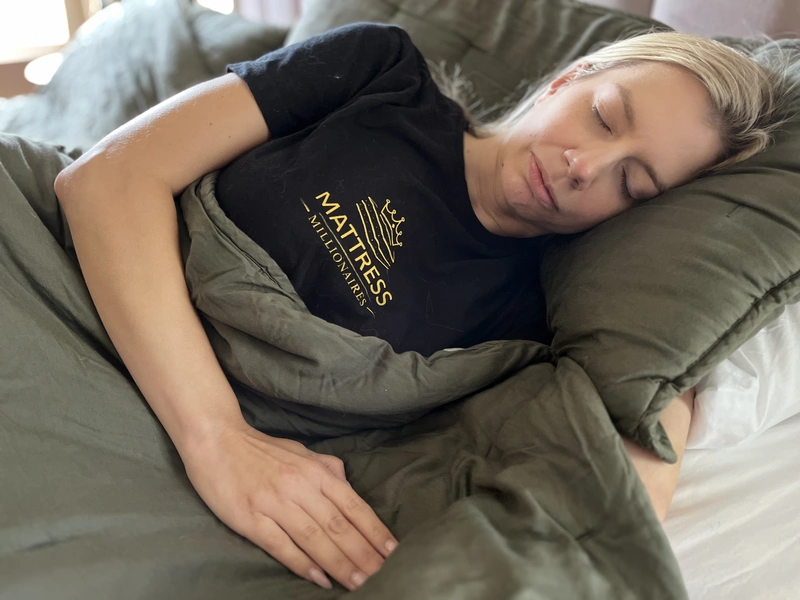
Medical organizations and sleep experts commonly recommend left-side sleeping for people with GERD because it helps keep stomach acid where it belongs.
But why does one side make such a difference?
The answer comes down to anatomy.
Why Left-Side Sleeping Works
Your stomach isn’t centered perfectly beneath your chest. Instead, it sits primarily on the left side of your body.
When you sleep on your left side:
- The connection between the stomach and esophagus sits above much of the stomach’s contents.
- Gravity helps keep acid lower in the stomach.
- Acid pools away from the esophagus.
- Reflux episodes tend to decrease.
Imagine holding a bottle partially filled with water. Depending on how you tilt it, the liquid either stays away from the opening or moves directly toward it. Your stomach behaves similarly.
Left-side sleeping keeps the lower esophageal sphincter positioned above much of the stomach’s contents, reducing the likelihood of acid flowing backward.
What Research Shows
Multiple clinical studies have compared different sleeping positions in people with GERD.
Researchers have found that left-side sleeping is associated with:
- Fewer reflux episodes during sleep
- Shorter duration of acid exposure
- Faster acid clearance from the esophagus
- Reduced nighttime heartburn
Although changing sleeping position isn’t a cure for GERD, it is one of the simplest lifestyle changes that may significantly improve nighttime symptoms.
Additional Benefits of Left-Side Sleeping
- Less nighttime coughing
- Reduced regurgitation
- Improved sleep quality
- Less morning sore throat
- Reduced hoarseness
Tips for Staying on Your Left Side
Use a Body Pillow
A body pillow supports your knees and upper body while making it more difficult to roll onto your back or right side.
Place a Pillow Behind Your Back
A pillow behind your back acts as a gentle reminder to stay on your left side throughout the night.
Support Your Knees
Placing a pillow between your knees improves spinal alignment and helps reduce pressure on your hips and lower back.
Choose the Right Mattress
A mattress that’s too firm may create painful pressure points, while one that’s too soft can allow excessive sinking. Most side sleepers find the best balance with a medium or medium-soft mattress that supports spinal alignment while cushioning the shoulders and hips.
Wear Comfortable Sleep Clothing
Tight waistbands can increase abdominal pressure and contribute to reflux symptoms. Loose-fitting sleepwear is generally more comfortable for people with GERD.
Does Left-Side Sleeping Work for Everyone?
Not always. While many people experience noticeable improvement, factors such as severe GERD, obesity, hiatal hernias, late-night eating, alcohol consumption, and certain medications may continue to trigger nighttime symptoms.
For the best results, sleeping on your left side should be combined with other lifestyle changes, including avoiding large meals before bed, maintaining a healthy weight, and following your healthcare provider’s treatment recommendations.
How Other Sleeping Positions Compare
While sleeping on your left side is generally considered the best position for acid reflux, it’s helpful to understand how every common sleeping position affects GERD symptoms. Some positions naturally use gravity to your advantage, while others make it much easier for stomach acid to flow back into the esophagus.
If you frequently wake up with heartburn, regurgitation, or a sore throat, changing your sleeping position may provide noticeable relief before you even consider medication.
Right-Side Sleeping
Sleeping on your right side is generally considered the worst side-sleeping position for acid reflux.
Although researchers are still studying the exact mechanisms, anatomy appears to play a major role. When you lie on your right side, the stomach sits higher than the esophagus, making it easier for stomach contents to move toward the lower esophageal sphincter (LES).
If the LES relaxes or doesn’t close completely, acid can escape into the esophagus more easily than it would while sleeping on your left side.
Studies using overnight esophageal pH monitoring have consistently found that people experience:
- More frequent reflux episodes
- Longer exposure to stomach acid
- More nighttime heartburn
- Slower acid clearance from the esophagus
If you naturally roll onto your right side during sleep, you may notice symptoms returning even after initially falling asleep comfortably.
Should You Avoid Right-Side Sleeping Completely?
Not necessarily.
Some people alternate positions throughout the night, and occasional right-side sleeping isn’t dangerous. However, if nighttime reflux is a recurring problem, training yourself to remain on your left side may significantly reduce symptoms.
Back Sleeping
Sleeping on your back is more complicated.
For people without acid reflux, back sleeping is often recommended because it keeps the spine in a neutral position and evenly distributes body weight.
However, lying completely flat removes gravity’s assistance, allowing stomach acid to pool around the lower esophageal sphincter.
Whether reflux occurs depends largely on:
- The strength of the LES
- How full your stomach is
- Whether you have a hiatal hernia
- Your body weight
- Whether your upper body is elevated
Many people with mild reflux tolerate back sleeping reasonably well when they elevate their upper body by six to eight inches.

Without elevation, however, symptoms often become more frequent.
Who May Still Prefer Back Sleeping?
Some individuals need to sleep on their back due to:
- Shoulder injuries
- Hip pain
- Certain spinal conditions
- Recovery after surgery
If this applies to you, elevating your upper body with a wedge pillow or adjustable bed can often help reduce nighttime reflux while allowing you to remain comfortable.
Stomach Sleeping
Sleeping on your stomach is generally considered the least favorable position for both acid reflux and overall spinal health.
Although some people believe lying face down might prevent acid from moving upward, stomach sleeping creates several other problems.
These include:
- Increased pressure on the abdomen
- Neck strain from turning the head
- Lower back discomfort
- Poor spinal alignment
The added abdominal pressure may actually increase the likelihood of reflux in some people.
If you’re currently a stomach sleeper and experience nighttime heartburn, gradually transitioning to side sleeping may improve both reflux symptoms and musculoskeletal comfort.
Comparison of Sleeping Positions for Acid Reflux
| Sleeping Position | Effect on Acid Reflux | Overall Rating |
|---|---|---|
| Left Side | Helps keep stomach acid below the esophagus and reduces reflux episodes. | ⭐⭐⭐⭐⭐ Best Choice |
| Back (Elevated) | Can work well when the upper body is elevated 6–8 inches. | ⭐⭐⭐⭐ |
| Back (Flat) | Gravity no longer helps prevent reflux. | ⭐⭐⭐ |
| Right Side | Allows stomach acid to reach the esophagus more easily. | ⭐⭐ |
| Stomach | May increase abdominal pressure and strain the neck and spine. | ⭐ Worst Choice |
Should You Elevate Your Head or Your Entire Upper Body?
One of the most common mistakes people make is simply stacking several pillows under their head.
Unfortunately, this usually doesn’t solve the problem.
While your head may be elevated, your stomach remains almost completely flat. In many cases, extra pillows force your neck forward, creating discomfort without meaningfully reducing reflux.
Instead, experts recommend elevating your entire upper torso.
Why Upper Body Elevation Works
Keeping your upper body elevated allows gravity to continue working while you sleep.
Rather than allowing stomach acid to rest against the lower esophageal sphincter, elevation encourages acid to remain inside the stomach.
Research has shown that sleeping on an incline can:
- Reduce nighttime reflux episodes
- Decrease heartburn severity
- Reduce regurgitation
- Improve sleep quality
How Much Elevation Is Recommended?
Most gastroenterologists recommend raising the upper body approximately 6 to 8 inches (15–20 cm).
This can usually be achieved using:
- A wedge pillow
- An adjustable bed base
- Bed risers placed beneath the head of the bed
Each option creates a gentle incline that supports your torso instead of bending only your neck.
Wedge Pillow vs. Regular Pillows
| Feature | Wedge Pillow | Stacked Pillows |
|---|---|---|
| Supports entire torso | ✔ Yes | ✘ No |
| Maintains spinal alignment | ✔ Better | ✘ Often poor |
| Helps reduce reflux | ✔ Yes | Limited |
| Neck comfort | Usually comfortable | Often uncomfortable |
Can an Adjustable Bed Help?
Adjustable beds have become increasingly popular among people with GERD because they allow you to raise your upper body without using additional pillows.
Unlike a wedge pillow, an adjustable base changes the angle of the entire mattress.
Potential benefits include:
- Improved comfort
- Reduced nighttime reflux
- Less snoring for some people
- Easier breathing
- Reduced pressure on the lower back
While adjustable beds are more expensive than wedge pillows, many people with chronic nighttime GERD find them worthwhile.
Common Myths About Sleeping with Acid Reflux
Myth: Sleeping Upright Is Always Better
While elevation can help, sleeping completely upright isn’t necessary for most people. A gentle incline of six to eight inches is usually enough to reduce reflux while remaining comfortable.
Myth: More Pillows Equal Less Heartburn
Stacking several pillows under your head often bends the neck instead of elevating the stomach. A wedge pillow or adjustable bed is generally much more effective.
Myth: Any Side Sleeping Works
Many people assume both sides are equally beneficial. In reality, research consistently shows that left-side sleeping provides greater protection against acid reflux than right-side sleeping.
Myth: Sleeping Position Can Cure GERD
Changing your sleeping position can significantly reduce symptoms, but it isn’t a cure for GERD. Many people also benefit from dietary changes, weight management, medications, or treatment recommended by their healthcare provider.
Best Pillows for Acid Reflux
Choosing the right pillow can make a meaningful difference if you experience acid reflux at night. However, the goal isn’t simply to raise your head—it’s to support your head, neck, shoulders, and upper torso in a way that allows gravity to help keep stomach acid where it belongs.
The best pillow depends on your preferred sleeping position, body type, and whether you experience occasional heartburn or chronic GERD.
Wedge Pillows
For many people with nighttime acid reflux, a wedge pillow is the most effective pillow option.
Unlike traditional pillows, wedge pillows elevate your entire upper body instead of just your head. This creates a gradual incline that uses gravity to reduce the likelihood of stomach acid flowing back into the esophagus.
Benefits of wedge pillows include:
- Reduced nighttime heartburn
- Less regurgitation
- Better spinal alignment than stacked pillows
- More consistent elevation throughout the night
Most wedge pillows range from 6 to 10 inches in height. A moderate incline is typically sufficient for most people with acid reflux.
Memory Foam Pillows
If you primarily sleep on your left side, a supportive memory foam pillow can help maintain proper neck alignment while reducing pressure on the shoulders.
Look for a pillow that:
- Keeps your neck aligned with your spine
- Doesn’t compress excessively overnight
- Supports the natural curve of your neck
Proper alignment won’t directly prevent acid reflux, but it can improve comfort and reduce frequent position changes during sleep.
Body Pillows
Body pillows are especially useful for people trying to stay on their left side throughout the night.
Sleeping with a body pillow allows you to:
- Support your knees
- Reduce pressure on your hips
- Improve spinal alignment
- Reduce rolling onto your right side
Many side sleepers find that combining a body pillow with a supportive head pillow makes left-side sleeping much easier to maintain.
Can Your Mattress Make Acid Reflux Worse?
Your mattress doesn’t directly cause acid reflux, but it can influence your sleeping posture, comfort, and ability to stay in positions that reduce nighttime symptoms.
A mattress that causes you to toss and turn frequently may make it harder to remain on your left side or maintain an elevated sleeping position.
Mattress Firmness
There isn’t one perfect firmness level for acid reflux, but most people sleep comfortably on a mattress that balances support with pressure relief.
In general:
- Side sleepers: Medium to medium-soft mattresses often provide better pressure relief for the shoulders and hips.
- Back sleepers: Medium-firm mattresses usually provide more even spinal support.
- Combination sleepers: Medium firmness often offers the best balance between comfort and support.
If your mattress causes shoulder pain or hip discomfort while sleeping on your left side, you may unconsciously roll onto your back or right side during the night, increasing reflux symptoms.
Adjustable Beds
If you experience frequent nighttime GERD, an adjustable bed base may be worth considering.
Unlike pillows, adjustable beds raise your entire upper body while keeping your spine supported by the mattress.
Potential advantages include:
- Consistent upper-body elevation
- Reduced reflux episodes
- Improved comfort
- Less pressure on the lower back
- Easier breathing for some sleepers
Although adjustable beds require a larger investment than wedge pillows, they can be an effective long-term solution for people with persistent nighttime symptoms.
Lifestyle Changes That Can Reduce Nighttime Acid Reflux
Changing your sleeping position is one of the simplest ways to reduce reflux, but it’s often most effective when combined with healthy lifestyle habits.
Even small adjustments to your evening routine can reduce pressure on the stomach and decrease the likelihood of acid reaching the esophagus.
Avoid Eating Right Before Bed
One of the most effective strategies is allowing enough time for your stomach to begin emptying before lying down.
Many healthcare providers recommend finishing your last meal at least two to three hours before bedtime.
This gives digestion time to begin and reduces the amount of food remaining in the stomach while you’re sleeping.
Eat Smaller Evening Meals
Large meals stretch the stomach and increase pressure on the lower esophageal sphincter.
Instead of eating one heavy dinner, consider:
- Choosing smaller portions
- Eating slowly
- Avoiding overeating
Many people notice fewer nighttime symptoms simply by reducing meal size.
Identify Trigger Foods
Although trigger foods vary from person to person, some foods are commonly associated with acid reflux.
These include:
- High-fat meals
- Fried foods
- Chocolate
- Peppermint
- Coffee
- Alcohol
- Carbonated beverages
- Spicy foods
- Tomato-based sauces
- Citrus fruits

Keeping a food diary can help identify which foods consistently trigger your symptoms.
Maintain a Healthy Weight
Excess body weight—particularly around the abdomen—can increase pressure inside the stomach, making reflux more likely.
For individuals who are overweight or obese, even modest weight loss may reduce GERD symptoms and decrease the frequency of nighttime heartburn.
Avoid Smoking
Smoking is associated with several changes that may worsen acid reflux, including:
- Reduced lower esophageal sphincter pressure
- Increased stomach acid exposure
- Reduced saliva production
Quitting smoking offers benefits that extend well beyond digestive health, including improvements in cardiovascular and respiratory health.
Limit Alcohol Before Bed
Alcohol can relax the lower esophageal sphincter in some people, making reflux episodes more likely.
If you notice symptoms after drinking, avoiding alcohol within several hours of bedtime may help reduce nighttime heartburn.
Wear Loose Clothing
Tight belts, shapewear, and restrictive waistbands can increase pressure on the abdomen.
Loose-fitting clothing, particularly in the evening, may help reduce unnecessary pressure on the stomach.
Manage Stress
Stress doesn’t directly cause acid reflux, but it can increase awareness of symptoms and influence behaviors that trigger reflux, such as overeating, eating quickly, or consuming more caffeine or alcohol.
Simple stress-management techniques may improve both sleep quality and overall well-being, including:
- Deep breathing exercises
- Reading before bed
- Gentle stretching
- Meditation
- Maintaining a consistent bedtime routine
When Lifestyle Changes Aren’t Enough
While many people experience significant improvement through changes in sleeping position and daily habits, lifestyle measures don’t eliminate acid reflux for everyone.
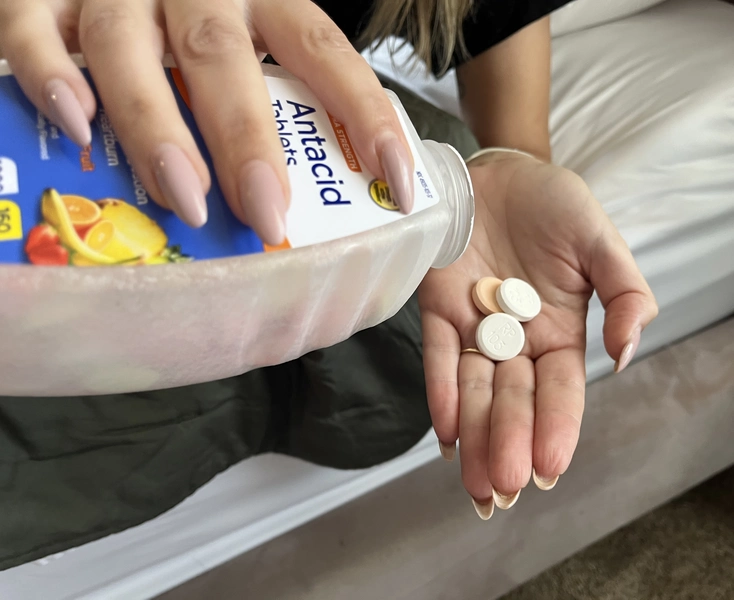
If symptoms continue despite these adjustments, your healthcare provider may recommend medications such as antacids, H2 blockers, or proton pump inhibitors (PPIs), depending on the severity and frequency of your symptoms.

Persistent reflux should never be ignored, particularly if it begins interfering with sleep, eating, or daily activities.
When Should You See a Doctor for Acid Reflux?
Occasional heartburn after a large meal is common and usually isn’t a cause for concern. However, frequent acid reflux may indicate gastroesophageal reflux disease (GERD), a chronic condition that can lead to complications if left untreated.
If lifestyle changes and adjustments to your sleeping position don’t provide enough relief, it’s important to speak with a healthcare professional.
Signs It’s Time to Schedule an Appointment
Consider talking to your healthcare provider if you experience:
- Heartburn more than twice per week
- Symptoms that wake you regularly during the night
- Difficulty swallowing
- Pain when swallowing
- Persistent nausea or vomiting
- Unexplained weight loss
- A chronic cough or hoarse voice
- Symptoms that continue despite over-the-counter medications
These symptoms don’t always indicate a serious condition, but they deserve medical evaluation to identify the underlying cause and determine the most appropriate treatment.
Potential Complications of Untreated GERD
Repeated exposure of the esophagus to stomach acid can cause inflammation and damage over time.
Possible complications include:
- Esophagitis: Inflammation of the esophageal lining.
- Esophageal Strictures: Narrowing of the esophagus caused by scar tissue, which may make swallowing difficult.
- Barrett’s Esophagus: Changes in the lining of the esophagus that may increase the risk of esophageal cancer.
- Dental Erosion: Chronic exposure to stomach acid may gradually wear away tooth enamel.
- Respiratory Problems: Some people develop chronic coughing, asthma symptoms, or throat irritation due to acid reaching the upper airway.
Fortunately, many of these complications can be prevented or managed when GERD is diagnosed and treated early.
Frequently Asked Questions
What is the best sleeping position for acid reflux?
Sleeping on your left side is generally considered the best sleeping position for acid reflux. This position helps keep the junction between the stomach and esophagus above the level of stomach acid, reducing the likelihood of reflux during the night.
Why is left-side sleeping better than right-side sleeping?
The stomach naturally sits slightly toward the left side of the body. When you sleep on your left side, gravity helps keep stomach contents lower in the stomach. Sleeping on the right side may allow acid to reach the lower esophageal sphincter more easily.
Can sleeping on your back cause acid reflux?
Sleeping flat on your back may worsen acid reflux for some people because gravity no longer helps keep stomach acid in the stomach. However, elevating your upper body by six to eight inches can significantly reduce nighttime reflux while allowing you to sleep comfortably on your back.
Is it okay to sleep on your stomach if you have GERD?
Stomach sleeping generally isn’t recommended for people with GERD. It can increase abdominal pressure, strain the neck and lower back, and make it more difficult to maintain healthy spinal alignment.
Should I use multiple pillows for acid reflux?
Using several standard pillows is usually less effective than using a wedge pillow or an adjustable bed. Multiple pillows often elevate only the head, while a wedge pillow supports the entire upper torso and provides a more consistent incline.
How high should I elevate my upper body?
Most healthcare professionals recommend elevating the upper body by approximately 6 to 8 inches (15 to 20 centimeters). This gentle incline helps gravity reduce nighttime reflux without requiring you to sleep completely upright.
How long should I wait to lie down after eating?
It’s generally recommended to wait at least two to three hours after eating before lying down. This gives your stomach time to begin emptying and may reduce the likelihood of nighttime heartburn.
Can a mattress help with acid reflux?
A mattress alone won’t cure acid reflux, but the right mattress can make it easier to maintain comfortable sleeping positions. Adjustable beds and supportive mattresses may improve comfort and help you stay on your left side or sleep with your upper body elevated.
Can losing weight reduce acid reflux?
For people who are overweight or obese, losing excess weight may decrease pressure on the stomach and reduce the frequency and severity of acid reflux symptoms.
Does acid reflux always mean I have GERD?
No. Occasional acid reflux is common and often related to specific foods or large meals. GERD is a chronic condition characterized by frequent or persistent reflux that may require ongoing treatment.
Key Takeaways
- Sleeping on your left side is generally the best position for reducing nighttime acid reflux.
- Right-side sleeping is associated with more frequent reflux episodes in many people.
- Elevating your upper body by six to eight inches may further reduce nighttime heartburn.
- A wedge pillow or adjustable bed is typically more effective than stacking regular pillows.
- Avoid eating large meals within two to three hours of bedtime.
- Maintaining a healthy weight, limiting alcohol, avoiding smoking, and identifying trigger foods may reduce symptoms.
- Persistent reflux should be evaluated by a healthcare professional to prevent long-term complications.
Final Thoughts
Changing your sleeping position may seem like a small adjustment, but for many people, it can have a meaningful impact on nighttime acid reflux. Among all sleeping positions, left-side sleeping has the strongest evidence supporting its ability to reduce heartburn, minimize acid exposure in the esophagus, and improve overall sleep quality.
Pairing healthy sleep posture with simple lifestyle changes—such as avoiding late-night meals, maintaining a healthy weight, and elevating your upper body when necessary—can often reduce symptoms without major disruption to your daily routine.
However, frequent or severe acid reflux shouldn’t be ignored. If your symptoms persist despite these strategies, interfere with your sleep, or occur several times each week, consult a qualified healthcare professional for further evaluation and treatment.
With the right combination of sleeping habits, lifestyle modifications, and medical guidance when needed, many people are able to enjoy more restful nights and wake up without the discomfort of nighttime heartburn.
Ready To Sleep Better?
Take our quiz to find the mattress that fits your sleep style and budget.
"I found my perfect mattress in 60 seconds." - Sarah H., side sleeper
✅ Super fun! 🥳
⭐ Trusted by 10,000+ sleepers 😴
🛏 Personalized mattress match 💤