

Did you buy a new mattress expecting better sleep, but the first few nights leave you tossing, turning or waking up sore. Before assuming you chose the wrong mattress, give it some time. In this article, we will share more on how long does it take to adjust to a new mattress and when does discomfort signal that it may not be the right fit.
Mattress Millionaires Quick Answer: How Long Does It Take to Adjust to a New Mattress?

In our experience testing mattresses at home, it can take at least three weeks for a new mattress to break in and for your body to adjust to its support and firmness. Mild stiffness, unfamiliar pressure or a mattress that initially feels firmer than expected can be normal during this period.
Most people should notice improvement within two to four weeks. A complete break-in can take 30 to 60 nights, depending on the mattress materials, firmness, room temperature, body weight and condition of your previous bed.
Why Does a New Mattress Need a Break-In Period?
Two different adjustments happen after you bring home a new mattress. The mattress materials begin to settle and soften, while your body adapts to sleeping on a different surface.
If you replaced a mattress that had become soft, sagging or uncomfortable, our guide to how long a mattress should last explains the typical lifespan of each mattress type and the signs that an older bed is no longer providing dependable support.
These processes are related, but they are not the same.
The Mattress Materials Are Breaking In
A new mattress has not yet been subjected to regular body weight, movement and heat. Foam layers may feel stiffer when they are new, while quilted covers and pillow tops can feel tighter and less flexible than they eventually will.
As you sleep on the mattress, the comfort layers begin responding more naturally to your body. Memory foam becomes easier to compress, fibers settle and the mattress cover may loosen slightly. This can make the mattress feel softer and more conforming after several weeks.
This is also why the mattress delivered to your home may feel firmer than the floor model you tried in a store. A store mattress has already been subjected to potentially hundreds of shoppers trying it out and is already broken-in.
Your Body Is Adjusting to Different Support
It can take time for your body to adapt to a different combination of materials, cushioning and support. If your old mattress was soft, sagging or heavily indented, your body became accustomed to that particular sleeping surface, even thought it was no longer giving you sufficient support.

A new mattress changes how your weight is distributed. Your hips may not sink as deeply, your shoulders may encounter different pressure and your spine may rest in a new position. The change can make you unusually aware of certain muscles or pressure points during the first few nights.
That does not mean a new mattress is “realigning” or correcting your spine in a medical sense. It simply means your body is encountering a different sleeping surface and may need time to become comfortable with it.
How Long Does It Take to Get Used to a New Mattress?
There is no scientifically established number of nights that applies to every person and every mattress. Based on our hands-on experience, however, three weeks is a reasonable minimum adjustment period.
Some sleepers feel comfortable within a few nights. Others may need a month or longer, especially when switching to a mattress with a noticeably different firmness or construction.
| Adjustment period | What you may notice | What to do |
|---|---|---|
| Nights 1–3 | The mattress may feel firmer, flatter or less comfortable than expected. You may also be more aware of its feel because it is unfamiliar. | Confirm that the mattress has fully expanded and that your foundation is compatible. |
| Days 4–7 | Mild stiffness or new pressure points may appear. Foam layers may begin responding more easily to body heat and weight. | Continue sleeping on it consistently and keep notes about where you feel discomfort. |
| Week 2 | The mattress should begin feeling less rigid. Your sleep may become more settled, although it may not feel completely natural yet. | Evaluate whether your discomfort is improving, remaining the same or getting worse. |
| Week 3 | You should have a much better idea of the mattress’s comfort, support and pressure relief. | Look for meaningful improvement. This is the earliest point at which we would make a more confident judgment. |
| Days 30–60 | Dense foams and firmer comfort layers may continue softening. Your body should be largely accustomed to the new surface. | Review the sleep-trial requirements and decide whether the remaining issues are acceptable. |
| After 60 days | Persistent pressure, poor alignment or worsening pain is less likely to be a temporary adjustment issue. | Consider returning or exchanging the mattress if your trial is still active. |
Our Experience
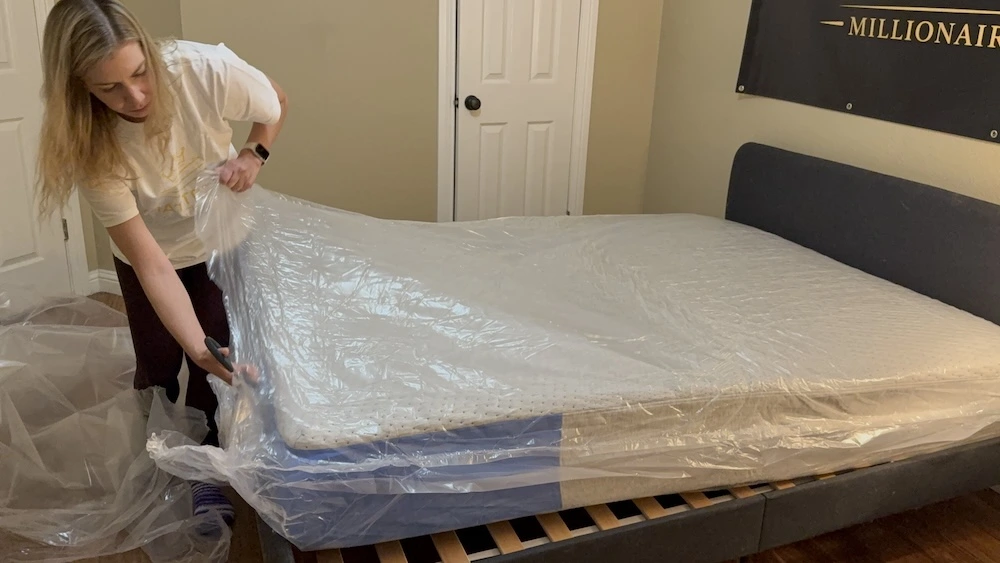
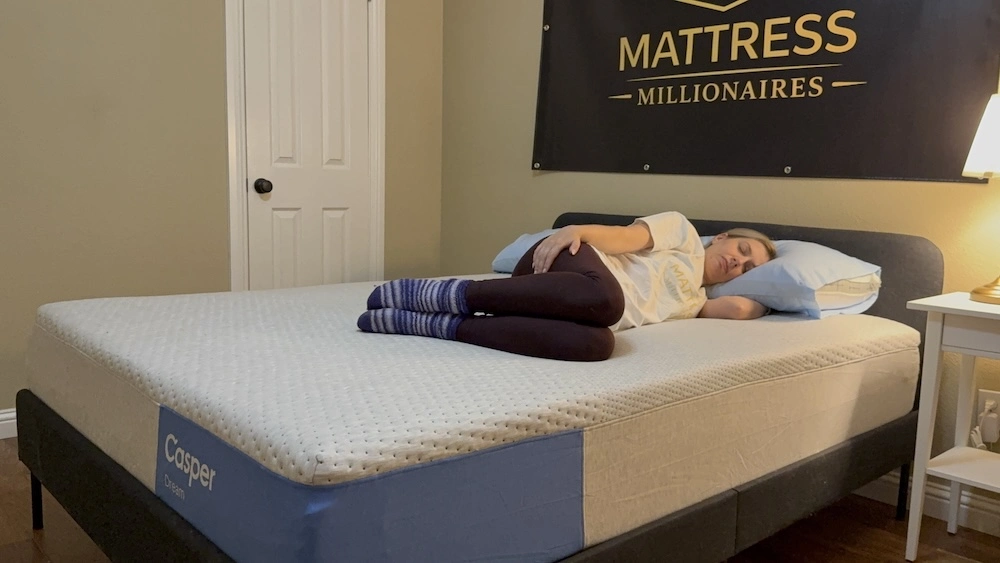
We would not judge a mattress solely by the first night or firstweek In our experience, it can take at least three weeks for the materials to break in and for your body to adjust. What feels unusually firm on night one may feel noticeably more comfortable by the end of the third week.

How Long Different Mattress Types Take to Break In
The construction of your mattress can affect how quickly its feel changes. These time frames are practical estimates rather than guarantees because mattresses within the same category can use very different materials and foam densities.
| Mattress type | Estimated adjustment period | What to expect |
|---|---|---|
| Memory foam | Approximately 3–6 weeks | Dense foam can feel firm or slow-moving at first. It may gradually soften and respond more quickly to body heat and pressure. |
| Hybrid | Approximately 3–4 weeks | The coil system usually feels responsive immediately, but the foam or pillow-top comfort layers may need several weeks to loosen. |
| Innerspring | Approximately 2–4 weeks | The mattress may not change as dramatically as memory foam, although the cover, quilting and padding can become more flexible. |
| Latex | Approximately 2–4 weeks | Latex is naturally responsive and may not soften as much as memory foam. Much of the adjustment may involve getting used to its buoyant feel. |
| Pillow-top | Approximately 2–4 weeks | Quilted fibers and foams may compress slightly, allowing the top to feel more flexible and conforming. |
What Research Says About Mattresses, Firmness and Adjustment
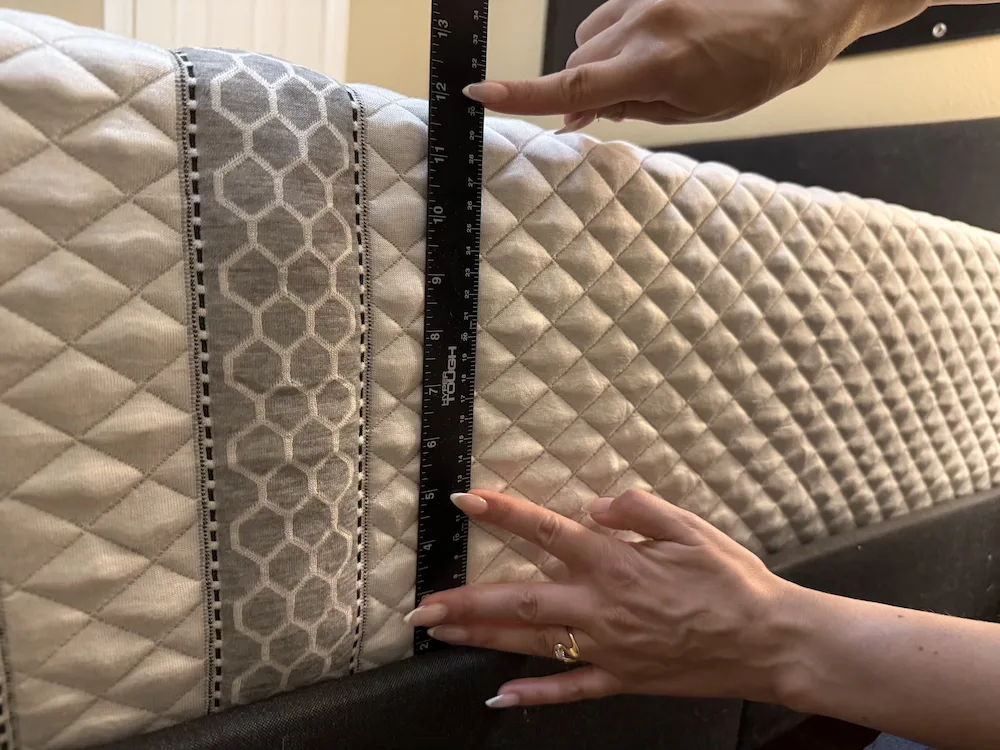
Research does not establish a universal 21-, 30- or 60-night break-in period. However, studies do show that sleep comfort and pain can change over several weeks after switching sleep surfaces.
A systematic review of mattress research found that medium-firm mattresses generally performed well for comfort, sleep quality and spinal alignment. The review also summarized studies in which participants reported improvements after sleeping on new mattress systems for approximately four weeks.
Another randomized controlled trial published in The Lancetcompared firm and medium-firm mattresses in 313 adults with chronic, nonspecific lower-back pain. After 90 days, the people using medium-firm mattresses reported better outcomes for pain in bed, pain when getting up and pain-related disability than those using firm mattresses.
This does not mean everyone should buy a medium-firm mattress. Firmness labels are not standardized across brands, and the appropriate feel depends on your body weight, sleep position and pressure-relief needs. The research does, however, challenge the common assumption that the firmest possible mattress is always best for back pain.
Why Is My New Mattress Uncomfortable?
It’s normal for a new mattress to feel slightly uncomfortable during the first few nights or weeks. Before deciding to return it, look at the entire sleep setup. Here are some common reasons you may feel uncomfortable on your new mattress:
The Mattress Is Firmer Than Your Previous Bed
A new mattress frequently feels firmer than an older mattress that has softened or developed body impressions. This difference can be especially noticeable for side sleepers, who need enough cushioning around the shoulders and hips.

If the mattress is only slightly firmer than expected, it may improve over the first three to four weeks. If it creates sharp pressure at your shoulders or hips every night, the firmness may be a poor match.
You Changed Mattress Types
Switching from memory foam to an innerspring or latex mattress can feel dramatic. Memory foam creates a deeper, slower-moving cradle, while coils and latex tend to feel more buoyant and responsive.
Neither feel is automatically better. However, your body may need time to get used to sleeping “on” the mattress rather than sinking “into” it—or the other way around.
Your Pillow No Longer Works With the Mattress
A pillow that worked with your old mattress may not maintain the same alignment on a new one. If your shoulders sink more deeply, you may need a lower pillow. If the mattress is firmer and your shoulder stays closer to the surface, you may need additional pillow height as a side sleeper.
Neck or upper-back discomfort can sometimes come from this mattress-and-pillow mismatch rather than the mattress alone.
Your Foundation Is Not Compatible
The support underneath a mattress can change its feel and performance. Slats that are too widely spaced, a weak platform or an old box spring can cause dipping, instability or inadequate support.
Check the mattress manufacturer’s foundation requirements before assuming the mattress itself is defective. Using an incompatible base may also affect warranty coverage.
The Mattress Has Not Fully Expanded
A compressed mattress-in-a-box may need several hours to two days to completely expand and reach its full height and firmness. Check the brand’s instructions and guidelines before sleeping on a new mattress or evaluating it’s comfort.

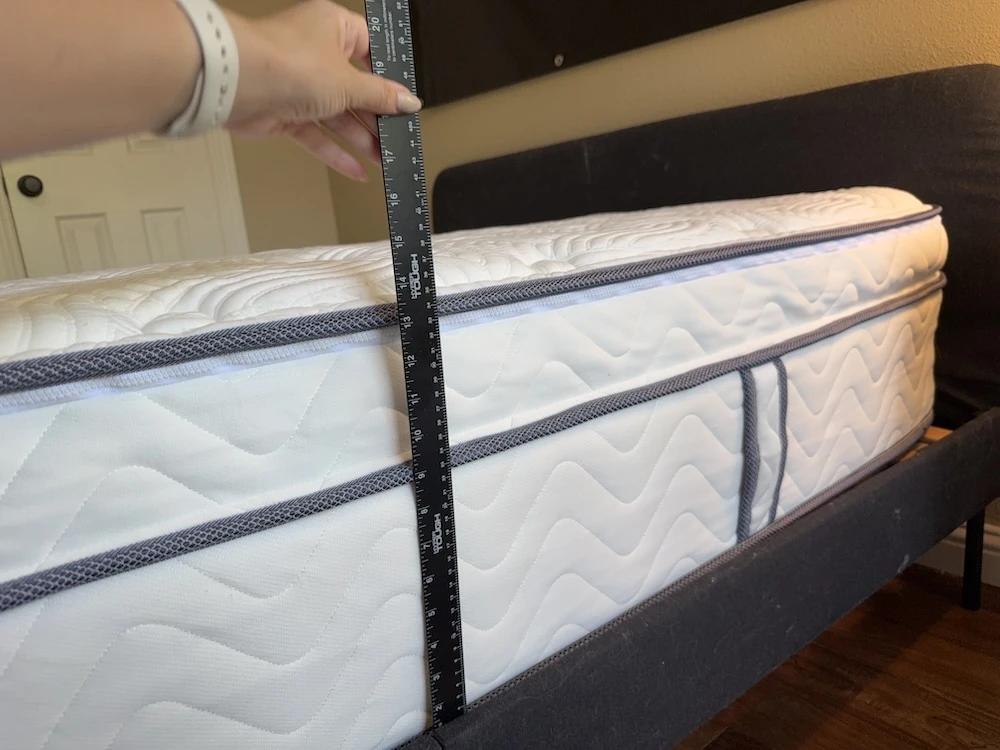
Key Takeaway: Expansion time and break-in time are different processes. Expansion time is the first 24 – 48 hours that a compressed mattress needs to reach its full height. Break-in time is a longer period of several weeks before it reaches a more settled feel.
Is It Normal for a New Mattress to Cause Back Pain?
Mild temporary stiffness can occur when you begin sleeping on a different mattress. However, you should not assume that all back pain is a healthy or necessary part of adjusting.
Pay attention to the location, severity and direction of the discomfort:
- Shoulder or hip pressure: The mattress may be too firm or lack sufficient cushioning for your sleep position.
- Lower-back tightness with excessive hip sinkage: The mattress may be too soft or lack adequate support.
- Neck or upper-back pain: Your pillow height may no longer match the mattress.
- Pain that improves each week: This is more consistent with a temporary adjustment period.
- Pain that becomes progressively worse: The mattress or sleep setup may not be appropriate for you.
Sleep position can also make a difference. Mayo Clinic recommendsthat side sleepers place a pillow between their legs to help align the spine, pelvis and hips. Back sleepers may benefit from placing a pillow under the knees, while stomach sleepers can try a pillow under the hips and lower abdomen to reduce back strain.
When Pain Should Not Be Ignored
Do not wait for a mattress to break in if you develop severe pain, new numbness, tingling, muscle weakness or pain that travels into an arm or leg. Contact a qualified healthcare professional, particularly if the symptoms are intense, worsening or affecting your ability to function.
How to Break In a New Mattress
You cannot completely eliminate the adjustment period, but you can help a new mattress reach its normal feel through consistent, careful use.
1. Sleep on It Every Night
Consistent use is the safest way to break in a mattress. Body weight, warmth and normal nighttime movement gradually loosen the comfort materials.
Frequently returning to your old bed or sleeping in another room can prolong the process because neither your body nor the mattress receives consistent exposure.
2. Spend Additional Time on the Mattress
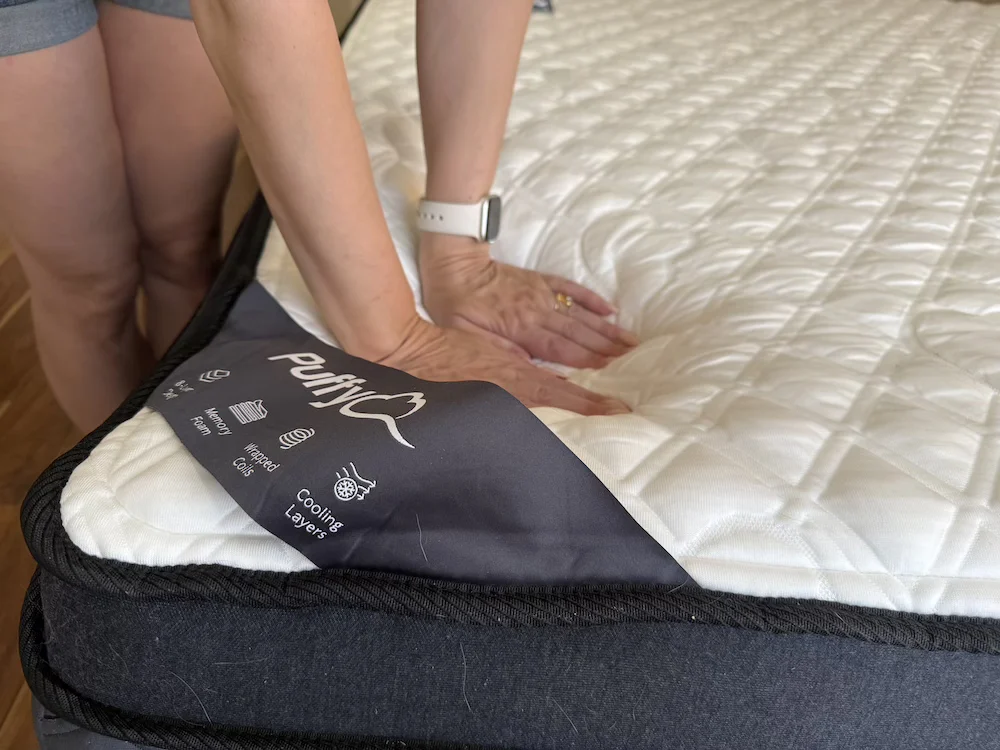
Read, watch television or relax on the mattress during the day. This adds gentle pressure without exposing the mattress to potentially damaging force.
If you share the bed, spend some time in the center because that area may receive less nightly pressure than the two sides.
3. Rotate the Mattress if Permitted
Rotating a new mattress 180 degrees can promote more even use, particularly when partners have different body weights. Check the manufacturer’s instructions first because rotation recommendations vary.
Do not flip a one-sided mattress unless the manufacturer specifically says it is designed for use on both sides.
4. Keep the Bedroom at a Comfortable Temperature
Memory foam can feel firmer in a cold room and more flexible in a warm room. You do not need to make the bedroom hot, but an unusually cold environment may make some foam mattresses feel more rigid.
5. Check Your Foundation
Make sure all slats, center supports and platform components are correctly installed. A king or queen mattress often requires adequate center support, particularly when it is used by two people.
If the mattress feels dramatically different on the floor than it does on your bed frame, the base may be contributing to the problem.
6. Reevaluate Your Pillow
Give your neck the same attention you give your mattress. A new sleep surface changes how deeply your shoulders and torso sink, which can alter the pillow height needed to keep your head and neck in a neutral position.
7. Avoid Aggressively Walking or Jumping on It
You may see advice recommending that you walk or jump on a new mattress to soften it. We would not recommend doing this unless the manufacturer explicitly permits it.
Aggressive pressure could damage coils, foam or edge-support components. It may also complicate a warranty claim. Regular sleep and gentle daytime use are safer.
Should You Use a Mattress Topper During the Break-In Period?
A topper can make a firm mattress more comfortable, but adding one immediately can make it harder to evaluate the mattress itself. The topper also absorbs some of your body weight and heat, potentially slowing the natural break-in of the comfort layers underneath.
We recommend waiting approximately three weeks before adding a topper so you can break in the mattress and not slow its expansion by placing a heavy layer over the entire surface. At that point, you will have a better idea of whether the mattress is softening and whether the remaining issue is simply a lack of surface cushioning.
If the mattress causes substantial pressure or prevents you from sleeping, you do not need to suffer through the adjustment period. A temporary topper may help, but you should also review the sleep-trial and return terms.
Expert Tip: Many mattress companies may offer you a complimentary topper to encourage you to keep the mattress when you request a return. Keep in mind that a topper can improve surface comfort, but it cannot reliably fix a mattress that is causing you discomfort because it lacks adequate underlying support or doesn’t keep your hips lifted enough.
If you are considering adding a topper to provide better comfort, cooling, read our full Puffy Deluxe mattress topper review.
How Do You Know When to Return a New Mattress?
Before initiating a return, check whether the company requires you to keep the mattress for a minimum number of nights. Many brands impose a 30-night adjustment requirement even when the total sleep trial lasts 100 nights or longer.
We recommend considering a return or exchange when:
- You have given the mattress at least three to four weeks and your comfort is not improving.
- Your pain is becoming worse instead of gradually subsiding.
- You consistently experience sharp pressure at your shoulders or hips.
- Your hips sink significantly lower than the rest of your body.
- You feel trapped in the mattress or have difficulty changing positions.
- The mattress has not expanded evenly or shows a visible defect.
- The edge collapses excessively and makes getting in and out of bed difficult.
- The mattress continues disrupting your sleep after the full adjustment period.
Do not wait until the final day of the sleep trial. Read the return requirements early, save your receipt and mattress tags, and note any required break-in period or pickup fee.
FAQs on How Long Does It Take to Adjust to a New Mattress
How long does it take for a new mattress to feel comfortable?
Based on our experience, it can take at least three weeks for a new mattress to feel comfortable. Some people adjust sooner, while dense foam and firmer mattresses may continue softening for 30 to 60 nights.
Do new mattresses get softer over time?
Yes, most mattresses become somewhat softer with regular use, particularly models containing memory foam, polyfoam, quilted fibers or a pillow top. Latex and traditional innerspring mattresses may change less dramatically. A mattress should not be expected to move from very firm to very soft simply through breaking in.
Why does my new mattress feel harder than the store model?
Store models have often been tested by hundreds of shoppers and are already broken in. Your new mattress has not experienced the same pressure, movement and body heat, so the comfort layers may initially feel firmer and tighter.
Can a new mattress cause temporary back pain?
A new mattress can be associated with temporary stiffness or soreness as your body adjusts to different support and pressure distribution. The discomfort should be mild and should gradually improve. Severe, worsening or radiating pain should not be dismissed as a normal mattress adjustment.
How can I break in a new mattress faster?
Sleep on it consistently, spend additional time relaxing on it, rotate it if permitted and keep memory foam at a comfortable room temperature. Avoid jumping or aggressively walking on the mattress unless the manufacturer specifically says that it is safe.
How long does memory foam take to break in?
Memory foam can take approximately three to six weeks to reach a more settled feel. Dense or firm foam may take longer, particularly for a lighter sleeper or in a cool bedroom.
Should I put a topper on a brand-new mattress?
No, we recommend waiting at least three weeks before adding a topper so you can evaluate the true feel of the mattress after its initial break-in. A topper can provide additional softness and pressure relief, but it cannot correct inadequate support or excessive sinkage.
Can the wrong foundation make a new mattress uncomfortable?
Yes. Improperly spaced slats, missing center support or an old box spring can change how a mattress feels and may contribute to dipping or instability. Always check the mattress manufacturer’s foundation requirements.
Is 30 nights long enough to test a mattress?
Thirty nights is usually enough to determine whether comfort is improving and whether the firmness is reasonably compatible with your sleep position. Some mattresses may continue softening after 30 nights, but persistent or worsening discomfort should be taken seriously.
Final Verdict: Give a New Mattress at Least Three Weeks
A new mattress should not be judged entirely by its first-night feel. The comfort layers need regular use to loosen, and your body needs time to become accustomed to a different balance of cushioning and support.
In our experience, at least three weeks is a fair adjustment period. By that point, you should notice whether the mattress is becoming more comfortable and whether any initial stiffness is improving. Dense foam and firmer mattresses may continue changing for 30 to 60 nights, but the overall trend should be positive.
If you feel slightly uncomfortable but improve each week, give the process more time. If you experience worsening pain, significant pressure, excessive sinkage or consistently poor sleep, the mattress may not be the right fit—regardless of how long the company says it takes to break in.
Ready To Sleep Better?
Take our quiz to find the mattress that fits your sleep style and budget.
"I found my perfect mattress in 60 seconds." - Sarah H., side sleeper
✅ Super fun! 🥳
⭐ Trusted by 10,000+ sleepers 😴
🛏 Personalized mattress match 💤