

If you are shopping for a premium hybrid mattress that offers strong support, airflow and responsiveness, you might want to consider the Leesa Sapira vs Casper Dream. In this hands-on comparison article, we will uncover the key differences to help you choose which mattress is best for your sleep style and budget.
Mattress Millionaires Quick Verdict: Leesa Sapira vs Casper Dream
We feel the better overall choice for most couples and back sleepers is the Leesa Sapira because it combines excellent support, pressure relief, motion isolation, and durability in a heavier, more substantial design.
The Casper Dream is the better choice for hot sleepers, stomach sleepers, and combination sleepers who want a more responsive feel with more bounce, and a more buoyant feel.
| Feature | Leesa Sapira Hybrid | Casper Dream |
|---|---|---|
| Mattress Type | Hybrid | Hybrid |
| Height | 11 inches | 11.5 inches |
| Feel | Flat, stable, supportive, pressure-relieving | Buoyant, responsive, balanced, slightly springy |
| Firmness | Medium-firm, about 6.5/10 | Medium-firm, about 6/10 |
| Best For | Back sleepers, couples, people who want controlled support | Hot sleepers, stomach sleepers, combination sleepers |
| Cooling | Temperature-neutral | Very good cooling |
| Motion Isolation | Very good for a hybrid | Good for a responsive hybrid |
| Edge Support | Moderate; about 3 inches of seated compression | Moderate; about 5 inches of seated compression |
| Ease of Movement | Easy to reposition with controlled bounce | Excellent; very fast response and high bounce |
| Queen Price at Testing | $1,199 | $1,495 |
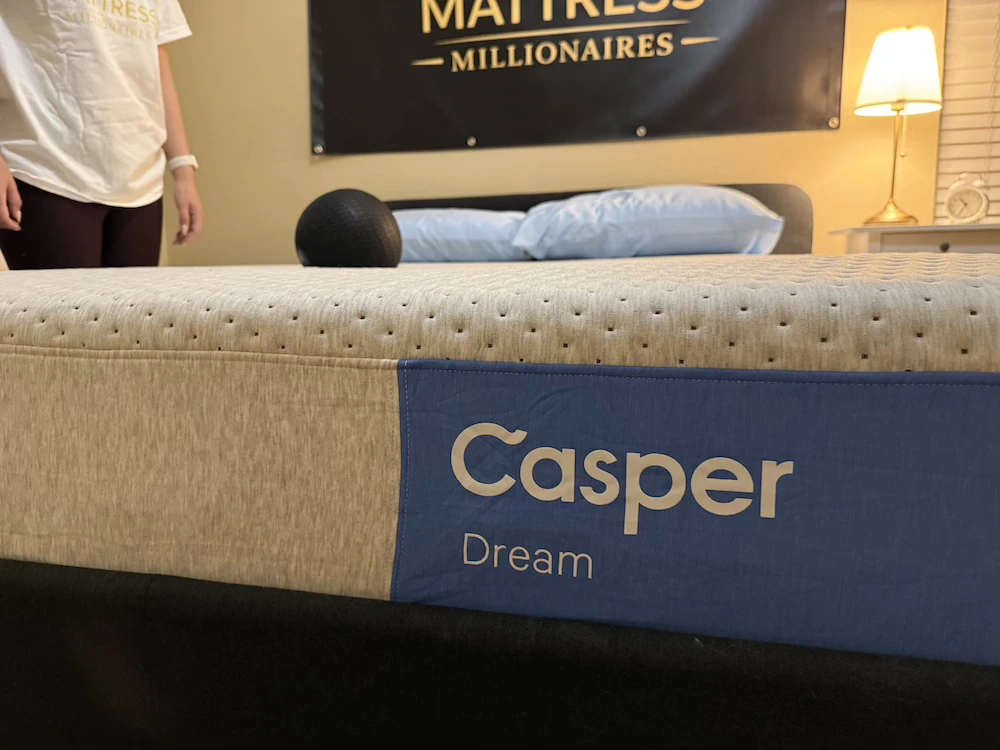
All images shown are from our real-world testing of both mattresses.
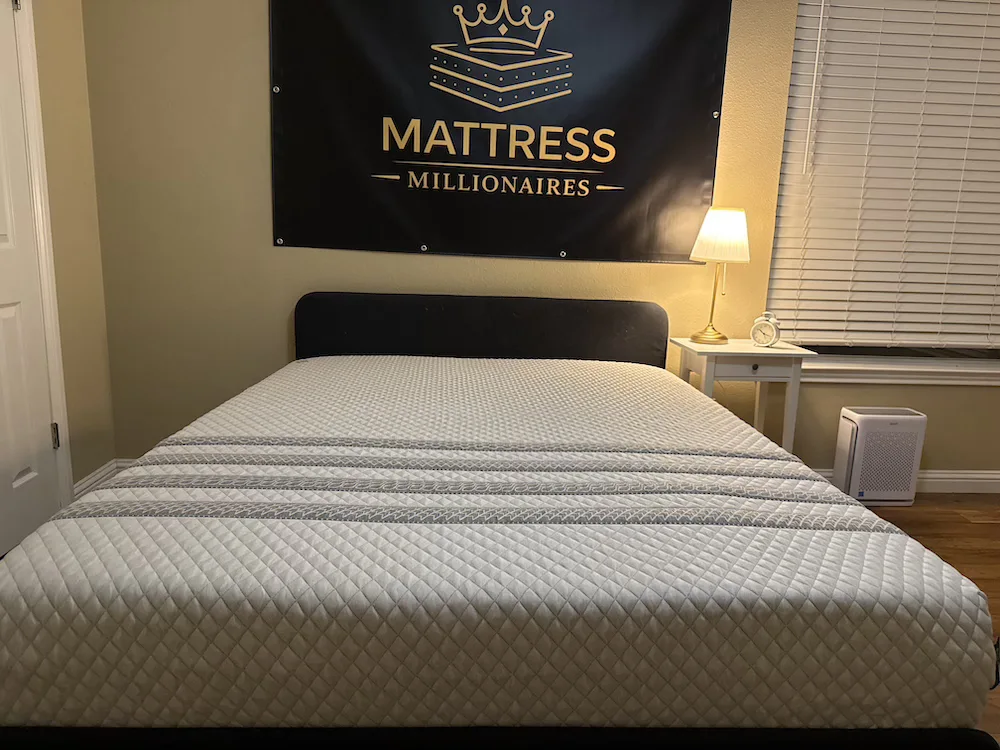
How We Tested the Leesa Sapira vs Casper Dream
At Mattress Millionaires, we evaluate every mattress through hands-on testing in our home sleep lab.
For this comparison we:
- Slept on each mattress for at least 3 nights
- Tested side, back, and stomach sleeping positions
- Measured cooling performance using a surface temperature test
- Evaluated motion isolation using a 10-lb drop test
- Assessed edge support by sitting and lying near the perimeter
- Researched and reviewed mattress materials and policy terms from brands’ official websites.
Who Should Buy Leesa Sapira vs Casper Dream?
Buy the Leesa Sapira if you want
- A flatter, firmer, more even sleep surface.
- Excellent back support without feeling like you are sleeping on a hard mattress.
- Very good motion isolation for a hybrid.
- Pressure relief without deep sinkage.
- A more substantial mattress with a dense, premium feel.
- A strong option for couples sharing a queen or king bed.
- A mattress that feels stable and controlled rather than bouncy.
For a deeper breakdown of materials, testing and performance, read our full Leesa Sapira Hybrid review.
Buy the Casper Dream if you want
- A responsive hybrid that feels easy to move around on.
- A cooler sleep surface with less noticeable heat buildup.
- More bounce and a slightly more buoyant feel.
- Strong support for stomach and back sleeping.
- A mattress that feels more like you are sleeping on top of it than inside it.
- A better choice for frequent position changes during the night.
- A supportive hybrid without a dense or heavy feel.
For more details on construction, cooling, and our three-night sleep test, read our full Casper Dream mattress review.
Neither is ideal for
- Sleepers who want deep contouring or slow-moving memory foam hug.
- Shoppers who want a plush pillow top.
- Lightweight side sleepers with sensitive shoulders who may need a softer mattress.
Mattress Millionaires Scorecard: Leesa Sapira vs Casper Dream
| Category | Leesa Sapira | Casper Dream | Winner |
|---|---|---|---|
| Comfort | 9.0 | 8.7 | Leesa Sapira |
| Pressure Relief | 9.0 | 7.8 | Leesa Sapira |
| Support | 9.5 | 9.0 | Leesa Sapira |
| Motion Isolation | 9.0 | 8.0 | Leesa Sapira |
| Edge Support | 7.5 | 7.0 | Leesa Sapira |
| Cooling | 8.0 | 9.0 | Casper Dream |
| Responsiveness | 8.5 | 9.5 | Casper Dream |
| Durability | 9.0 | 8.5 | Leesa Sapira |
| Overall | 8.9 | 8.7 | Leesa Sapira |
Firmness and Feel Comparison
The Leesa Sapira Hybrid feels flatter, firmer, and more controlled. It keeps your body level on the mattress while still delivering surprisingly good pressure relief underneath the surface. It is particularly strong for back sleepers, couples, and anyone who wants a substantial hybrid with very good motion isolation.
The Casper Dream feels more buoyant, springy, and responsive. It has a slightly more lifted, “sleeping on top of the mattress” sensation. It is easier to move around on, sleeps cooler in our experience, and is especially appealing for stomach sleepers, combination sleepers, and people who dislike deep sinkage.
If neither responsive hybrid provides the deep memory-foam hug you want, our Leesa Sapira vs Nectar Premier comparison explains how the Leesa differs from a slower-moving, more contouring all-foam mattress.
Firmness Scale Ratings
The Leesa Sapira Hybrid is the firmer-feeling mattress at first touch, although both fall into the medium-firm category. We rated the Leesa around a 6.5 out of 10, while the Casper Dream felt closer to a 6 out of 10.
A systematic review suggests that mattress design can affect sleep quality, pain reduction, and spinal alignment, which is why feel alone should not be the only factor when choosing a mattress.
The Leesa has a flatter, more even profile. You do not get a fluffy pillow-top sensation when you lie down. Instead, you feel gently supported on the surface while the foam beneath you relieves pressure around the hips, shoulders, and lower back.
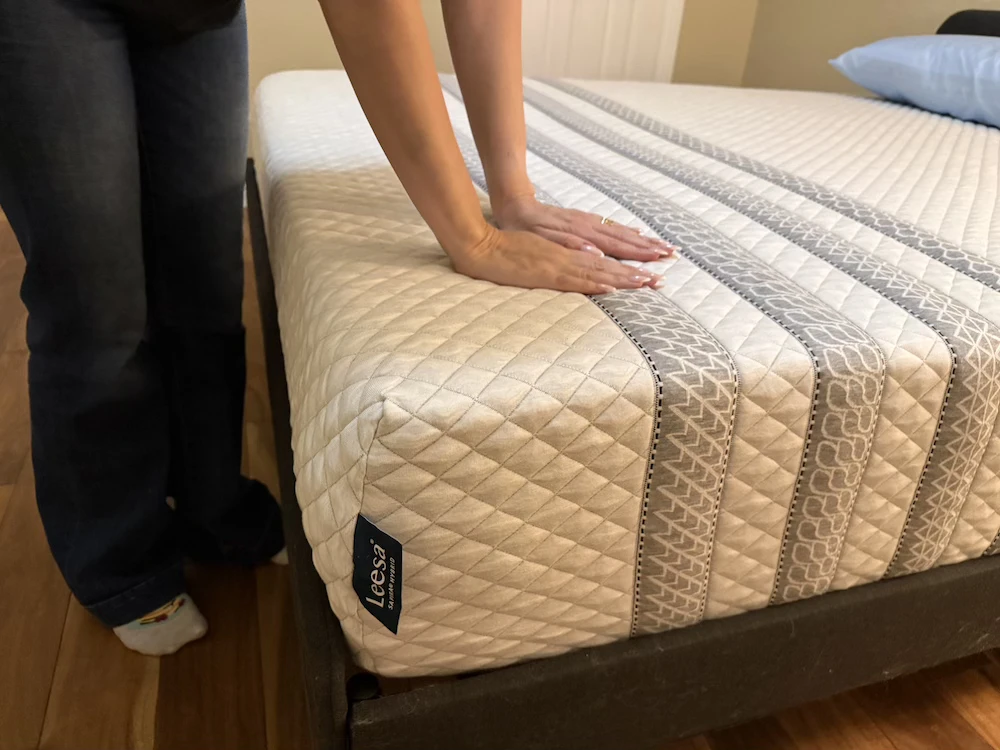
The Casper Dream also avoids deep sinkage, but it feels livelier. Its coil system and responsive foams create more bounce, making the mattress feel easier to move across. You are less likely to feel pressure-relieving contouring on the Casper, but you are more likely to appreciate its quick recovery and buoyant support.
For shoppers who want a more polished, controlled, premium-hybrid feel, the Leesa Sapira is better. For people who want a mattress that feels springy, balanced, and easy to move on, the Casper Dream wins.
Construction and Materials
The Leesa Sapira Hybrid is an 11-inch hybrid mattress with a layered design that includes a breathable cover, ventilated responsive foam, memory foam for pressure relief, transition foam, reinforced coils, and a durable foam base.
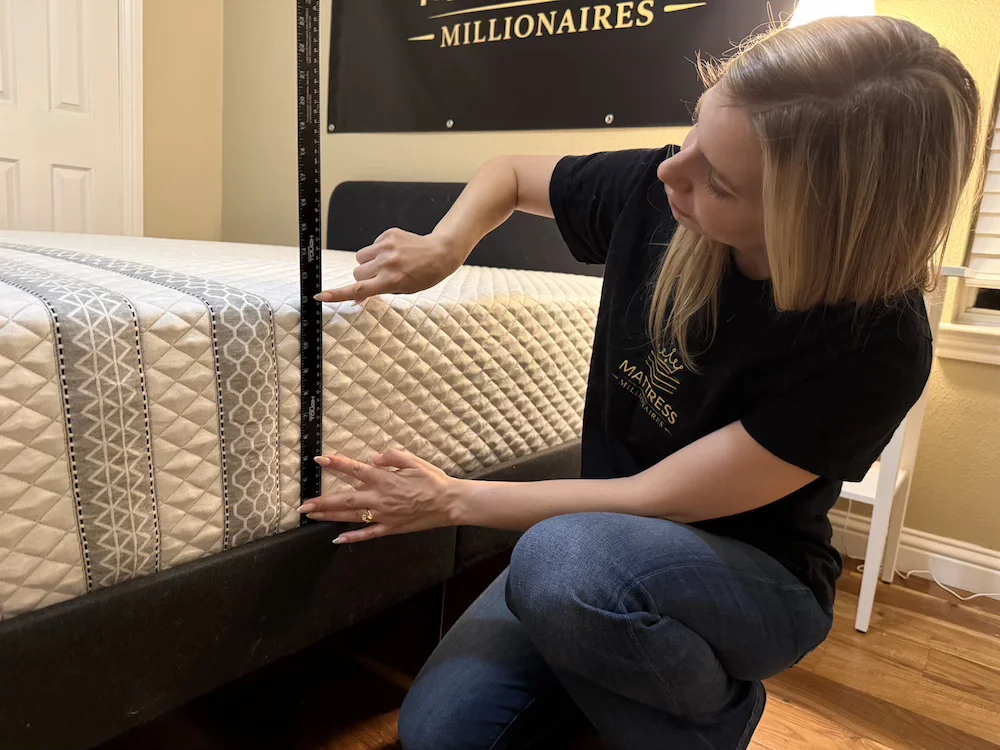
Its construction explains why it feels flatter and more substantial than many pillow-top hybrids. The comfort layers provide cushioning, but they are not thick enough to create a soft, cloud-like surface. You remain relatively level while receiving pressure relief underneath the body.
The Casper Dream is an 11.5-inch hybrid with a cooling cover, responsive foam, zoned memory foam, pocketed coils, and base foam. Its zoned design is intended to provide firmer support through the center of the mattress while allowing more pressure relief around the shoulders and legs.
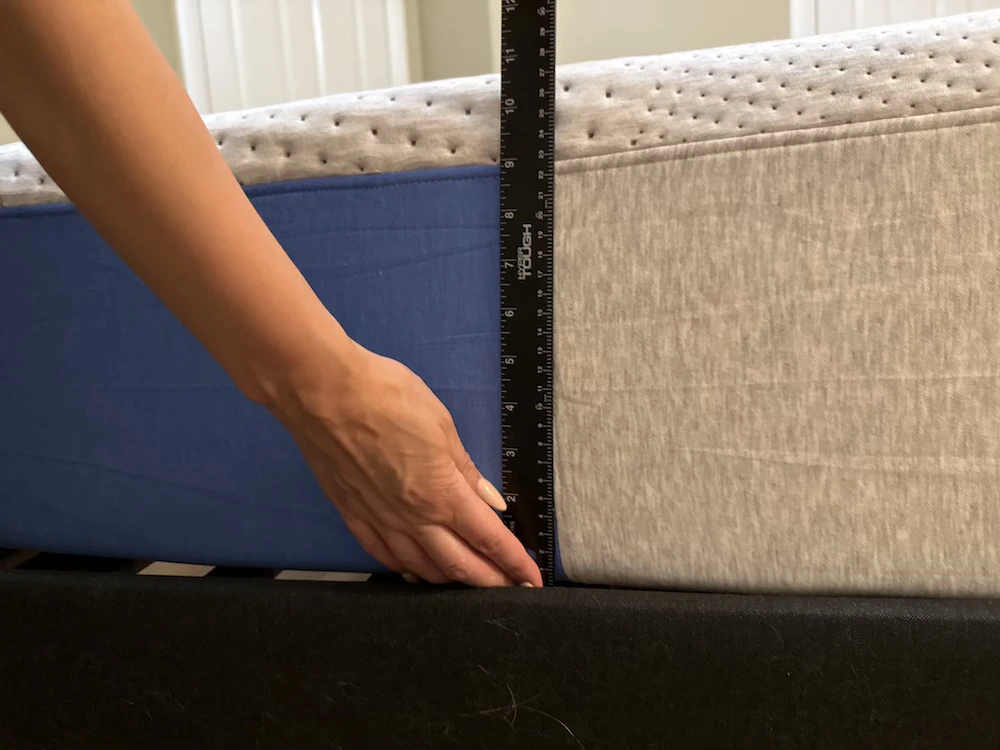
The Casper’s construction is geared toward responsiveness, airflow, and easy movement. The Leesa’s construction feels more dense, stable, and pressure-relieving.
Pressure Relief
Pressure relief is the biggest advantage for the Leesa Sapira Hybrid.
During testing, we were surprised by how well the Leesa Sapira relieved pressure since it has a flatter profile without a pillow top. The foam layers underneath the surface softened the feel around the shoulders, hips, and lower back without letting the body sink deeply.
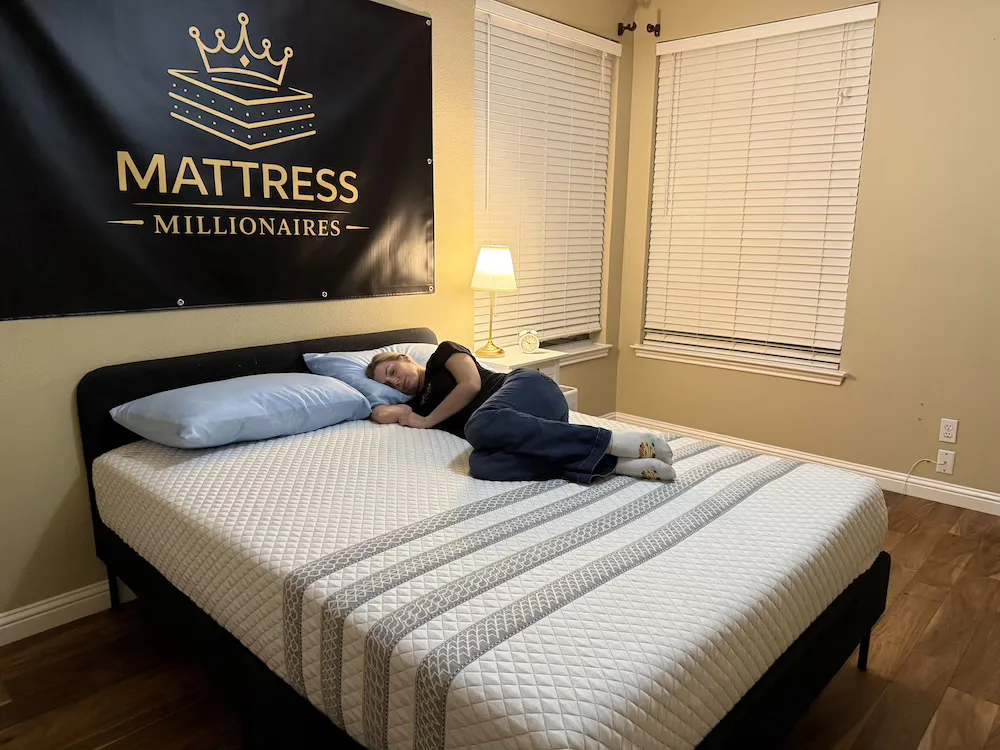
The Casper Dream provides adequate pressure relief, especially for back sleepers. However, it does not contour as deeply as the Leesa. When side sleeping, we noticed more shoulder compression on the Casper, particularly after spending extended time in that position.
Neither mattress is ideal for sleepers who need deep pressure relief, but the Leesa is clearly better for people who want softness without losing support.
Cooling: Which Sleeps Cooler?
In our experience, the Casper Dream had more impressive cooling. Its surface stayed consistently cool during testing, and we did not notice the same level of heat buildup overnight. Casper attributes this to airflow through the coil system, breathable foams, and cooling materials in the cover.
The Leesa Sapira Hybrid remained temperature-neutral throughout the night thanks to its breathable cover, ventilated foam, and coil system that promotes airflow. However, it did not feel especially cool to the touch.
For average sleepers, both mattresses should stay reasonably temperature-neutral. For people who sleep hot, live in a warm climate, or tend to wake up overheated, the Casper Dream is the better choice.
Besides using a cooling mattress and sheets, it is recommended to create a cool, dark, quiet, relaxing bedroom to support better sleep.
Edge Support
Neither mattress demonstrated exceptionally strong edge support compared to other hybrids we have tested that have reinforced edges.
The Leesa compressed about 3 inches when sitting on the edge. The Casper Dream compressed about 5 inches during our seated edge test and was noticeably softer when sitting down on the edge. Both still felt stable enough when lying near the perimeter.
If edge support is a major concern, the Leesa is the safer pick. If extremely firm edges are a priority for mobility, dressing, or maximizing every inch of a smaller mattress are a priority, you may want to look at a hybrid with reinforced perimeter coils or heavy foam encasement.
Durability and Lifespan
The Leesa Sapira Hybrid earns the edge for durability.
A queen weighs about 115 pounds, making it one of the heaviest mattresses we have unboxed. That weight alone does not guarantee durability, but it reflects its substantial coil system, dense foam layers, and more material-heavy construction.
We expect the Leesa Sapira Hybrid to hold up well over time with a supportive bed frame or foundation and regular rotation. It has the kind of dense, grounded construction that should appeal to shoppers looking for a long-term hybrid.
The Casper Dream should also last a reasonable amount of time. Its hybrid design, coil support system, and foam layers should give most sleepers around seven to 10 years of usable life. However, its lighter, more responsive comfort layers do not feel quite as substantial as the Leesa.
Pricing and Value
At the time of our testing, we paid $1,199 for a queen-size Leesa Sapira Hybrid. Its stated reference price was $1,759, making our purchase price a meaningful $560 discount.
We paid $1,495 for a queen-size Casper Dream at the time of testing. That puts the Casper Dream in a higher price tier than the Leesa Sapira sale price we paid, even though both mattresses are designed as premium, medium-firm hybrids.
At $1,199, the Leesa Sapira Hybrid is the stronger overall value in this comparison. It delivers excellent back support, very good motion isolation, effective pressure relief, controlled responsiveness, and a heavy, substantial construction that gives us confidence in its long-term durability. It is especially compelling for couples and back sleepers who want a supportive mattress without deep sinkage.
The Casper Dream is still a good mattress, but at the $1,495 price we paid, it is harder to call it the better value unless its specific strengths match your needs. It earns that higher price more convincingly for hot sleepers, stomach sleepers, and combination sleepers who prioritize cooling, bounce, and effortless movement over deeper pressure relief.
The Leesa Sapira is the better value for most shoppers when purchased near $1,199. The Casper Dream makes more sense for buyers who specifically want its cooler, more buoyant, highly responsive feel.
| Pricing & Policy Category | Leesa Sapira Hybrid | Casper Dream |
|---|---|---|
| MSRP at Testing | $1,759 for queen | $1,895 for a queen |
| Price Paid for Queen | $1,199 | $1,495 |
| Mattress Trial | 120-night trial | 100-night trial |
| Warranty | Limited lifetime warranty | 10-year limited warranty |
| Delivery | Free standard shipping; arrives compressed in a box | Free standard shipping; arrives compressed in a box |
| Mattress Setup | Optional in-home setup and removal service available for an additional cost at checkout (starts at $179) | Optional in-home setup and removal service available for an additional cost at checkout (currently listed as $249) |
| Old Mattress Removal | Available with optional in-home setup; price varies at checkout | Available with optional in-home setup service for an additional cost and subject to eligibility |
| Total Setup Convenience | Standard delivery is convenient, but the 115-pound queen mattress is difficult to move without help; in-home setup is worth considering | Standard box delivery requires DIY setup; optional in-home service makes setup and removal easier |
| Best Value For | Shoppers who want premium hybrid construction, pressure relief, motion isolation, and back support | Shoppers who prioritize cooling, high responsiveness, easy movement, and strong support for stomach or combination sleeping |
Best Sleep Positions
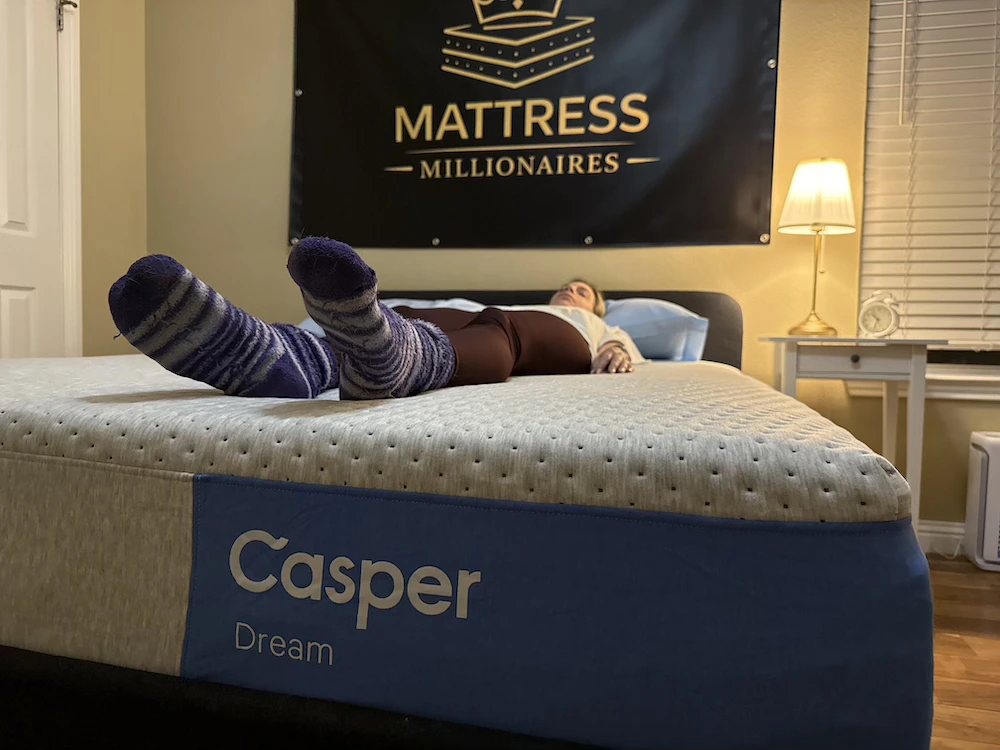
Here is how each mattress performed in various sleep positions during our hands-on testing:
| Sleep Position | Leesa Sapira | Casper Dream | Better Choice |
|---|---|---|---|
| Back Sleepers | ★★★★★ | ★★★★★ | Leesa Sapira for pressure relief; Casper for a livelier feel |
| Side Sleepers | ★★★★☆ | ★★★½☆ | Leesa Sapira |
| Stomach Sleepers | ★★★☆☆ | ★★★★★ | Casper Dream |
| Combination Sleepers | ★★★★½ | ★★★★★ | Casper Dream |
| Couples | ★★★★½ | ★★★★☆ | Leesa Sapira |
The Leesa Sapira is best for back sleepers, couples and combination sleepers. Its even surface, excellent support, pressure relief, and very good motion isolation make it a particularly practical choice for people sharing a bed and people who frequently change sleep positions. For more details, read our full article on why the Leesa Sapira is good for combination sleepers.
The Casper Dream is excellent for stomach sleepers and combination sleepers. Its fast response, strong support, and minimal sinkage make it easy to reposition throughout the night.
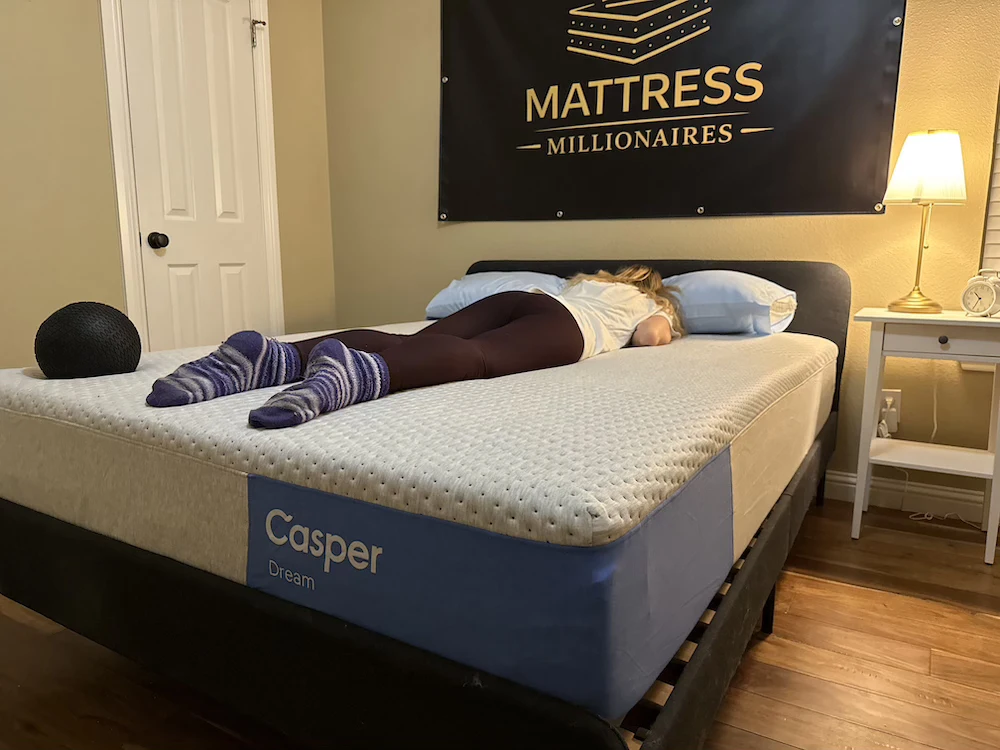
Side sleepers can use either mattress, but the Leesa offers better pressure relief in the shoulders and hips. One cross-sectional study found an association between the side people preferred to sleep on and unilateral shoulder pain, so side sleepers with recurring shoulder discomfort may benefit from more cushioning at the surface and a supportive pillow.
Final Verdict: Leesa Sapira vs Casper Dream
Overall we think the Leesa Sapira is the better choice for the majority of shoppers. It feels more substantial, offers better pressure relief, isolates motion more effectively, delivers outstanding support for back sleepers, and has a longer warranty and trial.
The Casper Dream is still a very good mattress. It is cooler, bouncier, and easier to move on. It is particularly appealing for stomach sleepers, hot sleepers, and anyone who wants a responsive hybrid that does not feel dense or slow-moving.
Choose the Leesa Sapira Hybrid if you want a premium mattress at a lower price that is supportive, pressure-relieving with better motion isolation and a more controlled feel.
Choose the Casper Dream if you want more bounce, better cooling, and a mattress that makes changing positions feel nearly effortless.
Leesa Sapira vs Casper Dream FAQs
Is the Leesa Sapira or Casper Dream better for back pain?
The Leesa Sapira is the better choice for most back sleepers because its flatter surface keeps the hips supported while the foam layers provide pressure relief beneath the lower back. The Casper Dream also has strong support, but it feels more responsive and less contouring.
Which mattress is better for side sleepers?
The Leesa Sapira is better for side sleepers because it provides more cushioning around the shoulders and hips. Neither mattress is especially plush, so lightweight side sleepers or people with sensitive shoulders may still prefer a softer hybrid.
Which mattress sleeps cooler?
The Casper Dream sleeps cooler. Both mattresses have coils for airflow, but the Casper remained cooler at the surface during our testing and showed less noticeable overnight heat buildup.
Which mattress has better motion isolation?
The Leesa Sapira has better motion isolation. It performs especially well for a hybrid, containing movement better than the Casper Dream while still allowing sleepers to reposition easily.
Which mattress is better for couples?
The Leesa Sapira is better for couples because it balances motion isolation, support, pressure relief, and a stable surface. The Casper Dream is also a good choice for couples who prioritize cooling and responsiveness, but its edge support is weaker.
Is the Leesa Sapira softer than the Casper Dream?
Not exactly. The Leesa initially feels firmer and flatter at the surface, but it has better pressure relief underneath. The Casper Dream feels slightly more buoyant and springy, but it does not contour as well around the shoulders and hips.
Which mattress is easier to move on?
The Casper Dream is easier to move on. Its fast response, shallow sinkage, and high bounce make it an especially strong choice for combination sleepers and people who dislike the slow-moving feel of memory foam.
Ready To Sleep Better?
Take our quiz to find the mattress that fits your sleep style and budget.
"I found my perfect mattress in 60 seconds." - Sarah H., side sleeper
✅ Super fun! 🥳
⭐ Trusted by 10,000+ sleepers 😴
🛏 Personalized mattress match 💤