

Weighted blankets have gone from niche therapeutic tools to mainstream wellness products in just a few years. Millions of people now use them to improve sleep, reduce anxiety, lower stress, and create a stronger sense of calm. But despite their popularity, many consumers still wonder – do weighted blankets actually work scientifically, or are they just another wellness trend?
The answer is more nuanced than marketing claims suggest.
Weighted blankets are not magic. They do not “cure” anxiety, insomnia, ADHD, autism, or stress disorders. However, there is legitimate scientific reasoning behind why many people report feeling calmer, safer, and more relaxed under evenly distributed weight.
Researchers believe weighted blankets work primarily through a mechanism called deep pressure stimulation (DPS), which affects the nervous system, stress hormones, sensory processing, and emotional regulation.
This article explores the actual science behind weighted blankets, including:
- How deep pressure stimulation works
- What happens in the nervous system under pressure
- Why weighted blankets may reduce stress and anxiety
- The relationship between weighted blankets and sleep quality
- Research on serotonin, melatonin, and cortisol
- Why some people benefit more than others
- What science says about autism, ADHD, and sensory disorders
- Common misconceptions about weighted blankets
- Potential risks and limitations
By the end, you’ll understand exactly how weighted blankets work scientifically — and why they help some people feel dramatically calmer.
What Is a Weighted Blanket?
A weighted blanket is a blanket designed with evenly distributed weight using materials such as:
- Glass beads
- Plastic pellets
- Steel microbeads
- Layered fabric compartments
Most weighted blankets weigh between 5 and 30 pounds, with manufacturers commonly recommending a blanket that weighs approximately 10% of a person’s body weight.
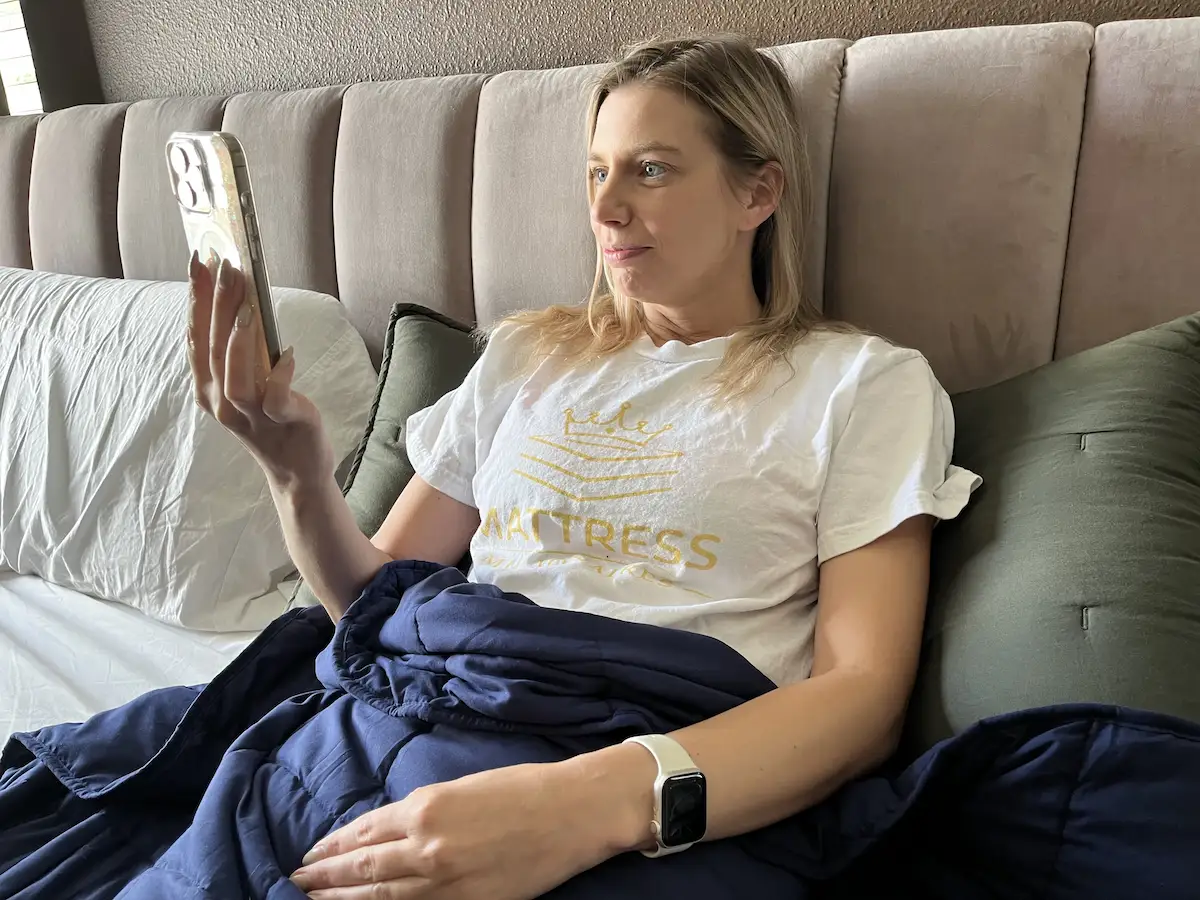
Unlike standard comforters or duvets, weighted blankets apply consistent pressure across the body.
That pressure is the key to their therapeutic effect.
If you plan to use one regularly, read Can You Sleep With a Weighted Blanket Every Night? to understand the potential long-term benefits and drawbacks.
The Core Scientific Principle: Deep Pressure Stimulation
The scientific foundation of weighted blankets is something called deep pressure stimulation (DPS).
Deep pressure stimulation refers to firm, evenly distributed tactile pressure applied to the body. This type of pressure is believed to activate specific neurological and physiological responses associated with relaxation and emotional regulation.
Examples of deep pressure stimulation include:
- Hugging
- Swaddling infants
- Massage therapy
- Compression garments
- Holding or cuddling
- Certain physical therapy techniques
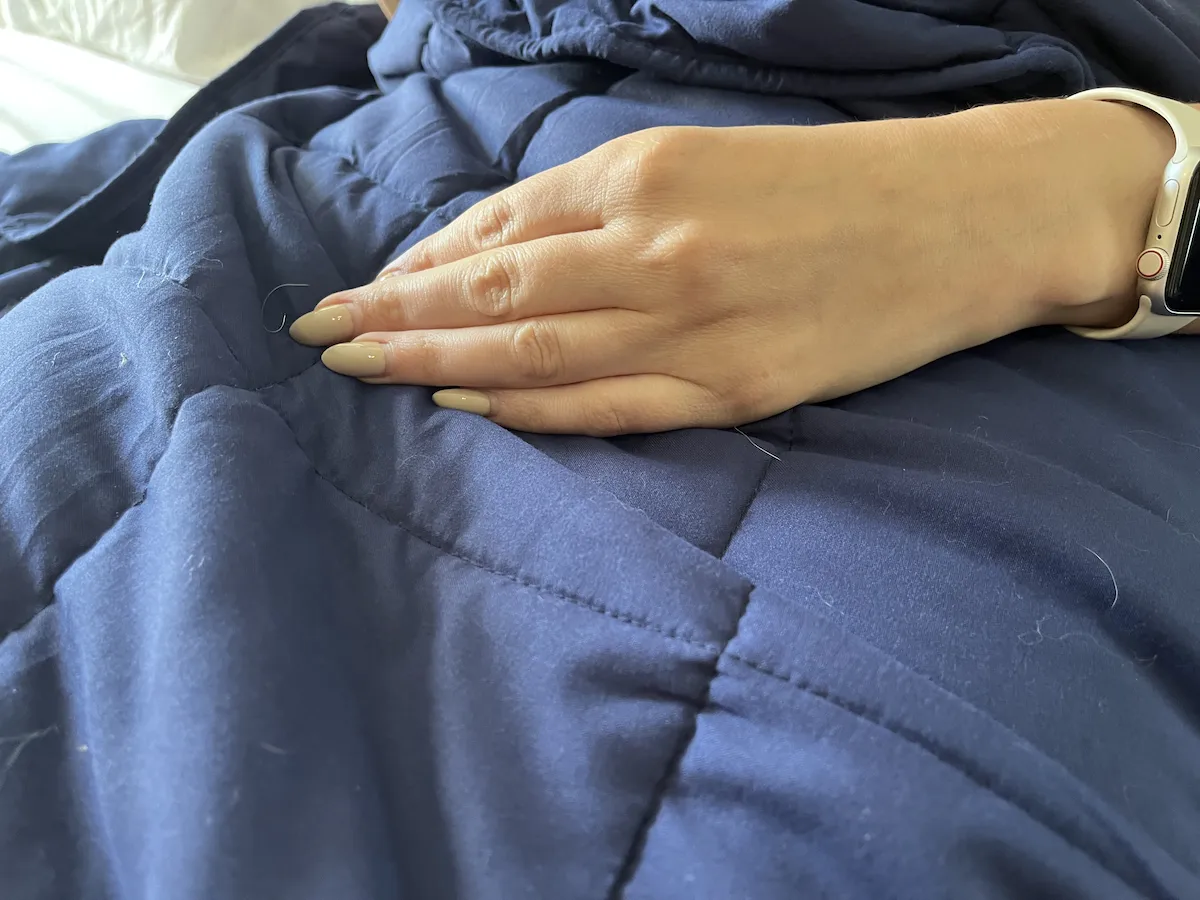
Weighted blankets simulate this sensation continuously while resting or sleeping.
The body often interprets deep pressure as calming, grounding, and safe.
Some sleepers may feel too warm under heavier bedding, which is why it helps to understand can a weighted blanket cause overheating before buying one.
How the Nervous System Responds to Pressure
To understand how weighted blankets work, it’s important to understand the autonomic nervous system.
The autonomic nervous system has two major branches:
1. Sympathetic Nervous System
This is commonly called the “fight or flight” system.
It activates when the brain perceives stress, danger, uncertainty, or overstimulation.
When activated, the body experiences:
- Increased heart rate
- Elevated cortisol
- Faster breathing
- Muscle tension
- Hypervigilance
- Reduced digestion
- Heightened alertness
This system is useful during emergencies but problematic when chronically activated.
2. Parasympathetic Nervous System
This is often called the “rest and digest” system.
It promotes:
- Relaxation
- Slower breathing
- Reduced stress
- Digestion
- Emotional regulation
- Sleep readiness
- Lower heart rate
Many scientists believe weighted blankets help shift the body away from sympathetic dominance and toward parasympathetic activation.
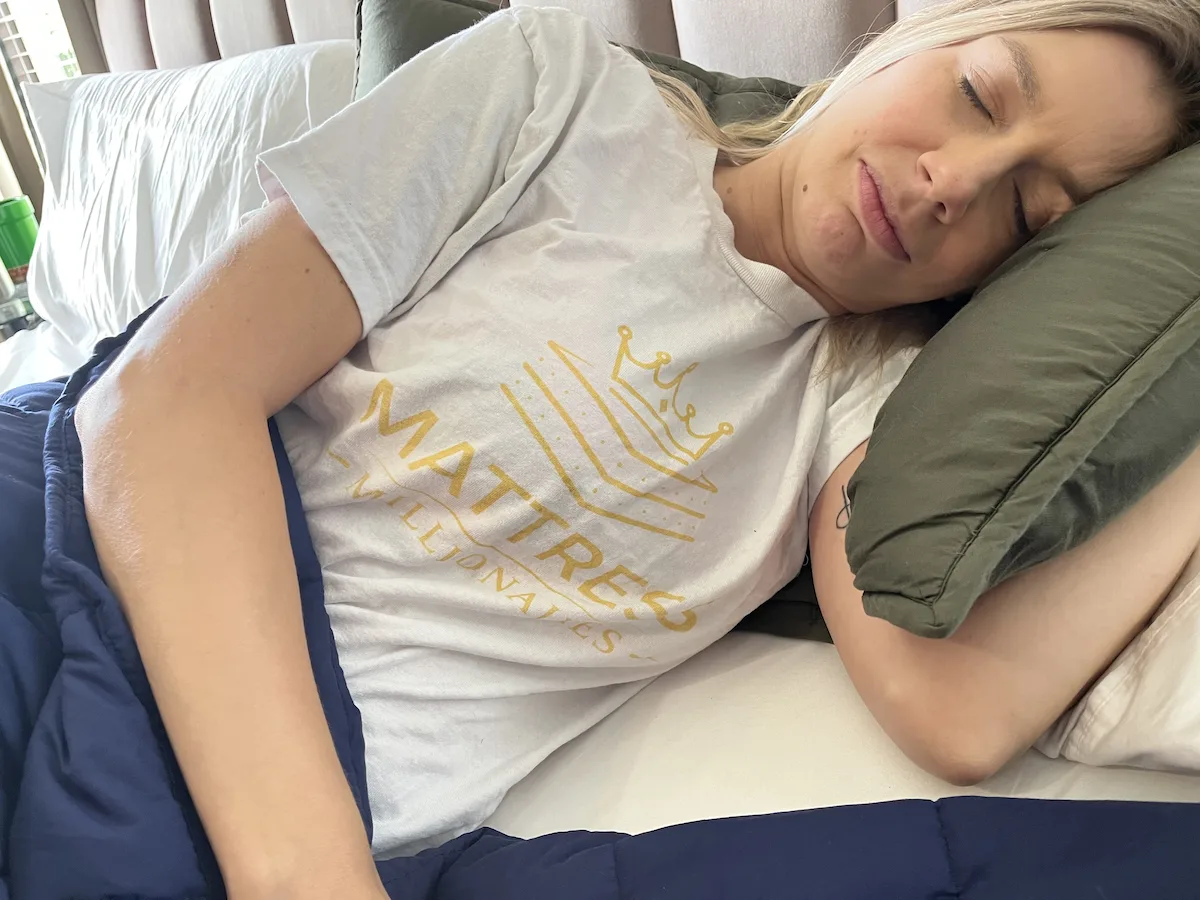
In simple terms:
Weighted blankets may help tell the nervous system that it is safe to relax.
Proper care matters because these blankets contain internal filling materials, so follow this guide on how to wash a weighted blanket to avoid damaging the fabric or weighted inserts.
Deep Pressure Stimulation and the Vagus Nerve
One major theory involves the vagus nerve.
The vagus nerve is the longest cranial nerve in the body and plays a central role in regulating:
- Heart rate
- Breathing
- Digestion
- Mood
- Relaxation responses
Activation of the vagus nerve is associated with parasympathetic nervous system activity.
Researchers believe deep pressure stimulation may increase vagal tone, helping the body enter calmer physiological states.
This could explain why many people experience:
- Slower breathing
- Reduced anxiety
- Emotional grounding
- Improved sleep onset
- Reduced physical restlessness
under a weighted blanket.
Weighted Blankets and Cortisol Reduction
Cortisol is often called the “stress hormone.”
The body releases cortisol in response to stress, fear, uncertainty, or heightened alertness.
Chronically elevated cortisol levels are associated with:
- Anxiety
- Sleep problems
- Irritability
- Fatigue
- Brain fog
- Increased inflammation
- Difficulty relaxing
Some research suggests deep pressure stimulation may help reduce cortisol production or reduce the body’s perception of stress.
When the body senses steady, predictable pressure, it may interpret the environment as safer and less threatening.
This can potentially reduce stress signaling pathways.
Although research is still developing, many users report:
- Feeling calmer within minutes
- Reduced nighttime racing thoughts
- Less physical tension
- Easier transitions into sleep
These experiences align with what scientists understand about parasympathetic nervous system activation.
If you tend to sleep warm already, you should also learn why your mattress sleeps hot since your sleep environment plays a major role in overnight comfort.
Serotonin, Melatonin, and Weighted Blankets
One reason weighted blankets may improve sleep involves serotonin and melatonin.
Serotonin
Serotonin is a neurotransmitter involved in:
- Mood regulation
- Emotional stability
- Calmness
- Well-being
Some scientists hypothesize that deep pressure stimulation may encourage serotonin release.
This is similar to why activities like massage, touch, exercise, and physical affection often improve mood.
Melatonin
Melatonin is the hormone responsible for regulating sleep-wake cycles.
The body synthesizes melatonin using serotonin.
If weighted blankets help promote serotonin production or relaxation, they may indirectly support melatonin regulation as well.
This may explain why many users feel sleepy shortly after getting under a weighted blanket.
Sleep problems are more common than many people realize, and these updated sleep statistics and facts help explain why so many adults struggle with stress and restlessness at night.
Why Weighted Blankets Feel Calming
Humans are biologically wired to respond to safe physical pressure.
This begins in infancy.
Babies are calmed by:
- Swaddling
- Holding
- Rocking
- Skin-to-skin contact
Adults retain many of these physiological responses throughout life.
Pressure can create feelings of:
- Safety
- Stability
- Containment
- Predictability
- Security
In a world filled with constant stimulation, unpredictability, and digital overload, many people experience chronically elevated nervous system activation.
Weighted blankets may counteract this overstimulation by providing:
- Sensory grounding
- Predictable tactile input
- Reduced environmental sensitivity
- Physical reassurance
For some individuals, this can feel profoundly calming.
Weighted Blankets and Anxiety
Anxiety often involves nervous system hyperarousal.
Symptoms can include:
- Racing thoughts
- Muscle tension
- Rapid heartbeat
- Restlessness
- Hypervigilance
- Difficulty sleeping
Deep pressure stimulation may reduce this state of hyperarousal.
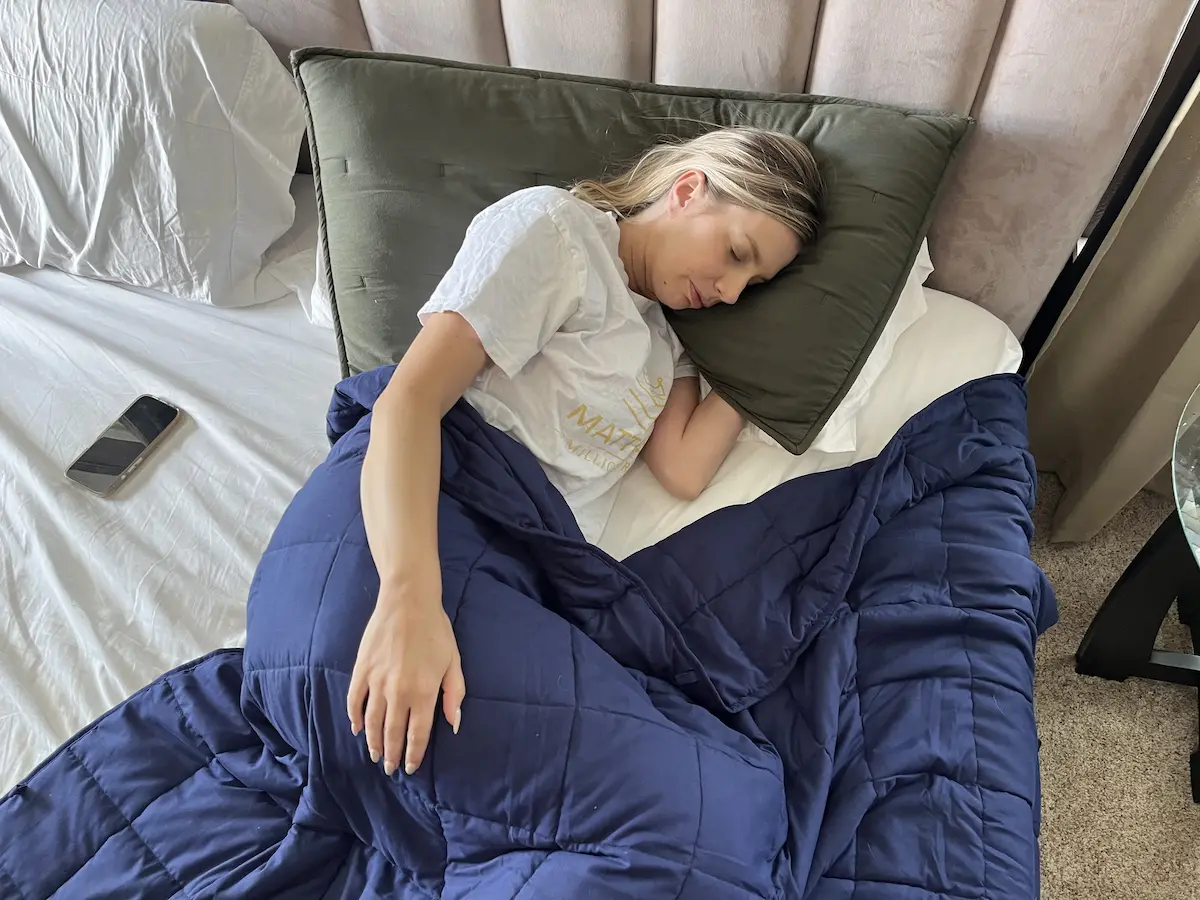
Several small studies have shown promising results related to anxiety reduction.
Participants often report:
- Feeling calmer
- Reduced distress
- Improved emotional regulation
- Greater relaxation
However, scientists caution that weighted blankets are not a replacement for therapy, medication, or medical treatment when clinically necessary.
Instead, they may function as supportive tools within a larger mental health strategy.
Weighted Blankets and Insomnia
Insomnia is frequently linked to hyperarousal.
Many people with insomnia are physically tired but neurologically overstimulated.
The brain struggles to transition from alertness into restorative sleep.
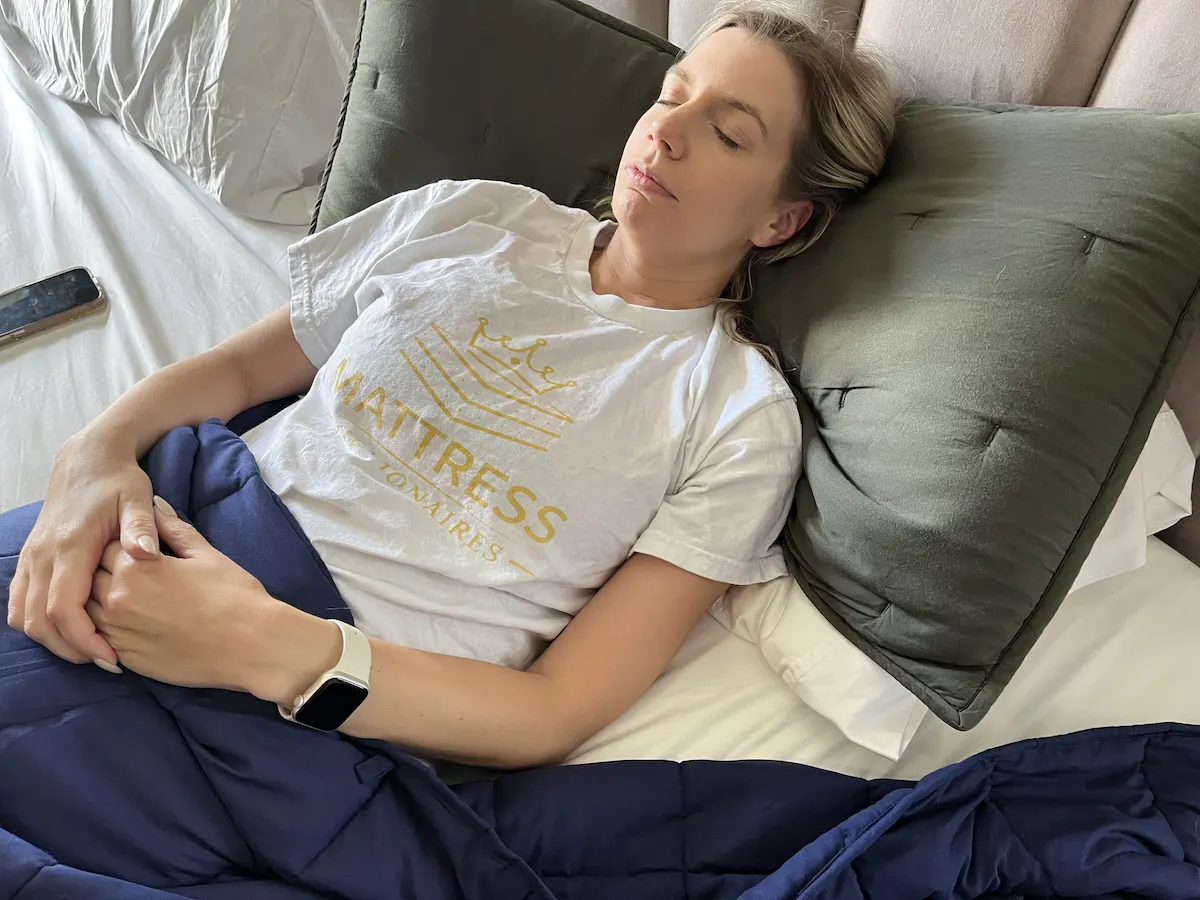
Weighted blankets may help by:
- Reducing physical restlessness
- Lowering nighttime anxiety
- Promoting parasympathetic activation
- Creating a cocoon-like sleep environment
- Encouraging feelings of security
Some sleep studies suggest participants using weighted blankets experience:
- Better sleep continuity
- Fewer awakenings
- Faster sleep onset
- Improved subjective sleep quality
Importantly, subjective sleep improvement matters.
Even when objective sleep metrics show modest changes, people who feel safer and calmer often perceive their sleep as dramatically better.
The Science of Pressure Receptors
The skin contains mechanoreceptors that detect:
- Pressure
- Stretch
- Vibration
- Texture
- Touch
Deep pressure stimulation activates certain receptors differently than light touch.
Light, unpredictable touch can sometimes increase alertness.
Firm, evenly distributed pressure tends to produce calming sensory input instead.
This distinction matters especially for individuals with sensory sensitivities.
Weighted Blankets and Sensory Processing
Many occupational therapists use deep pressure techniques for individuals with sensory processing challenges.
This includes some people with:
- Autism spectrum disorder
- ADHD
- Sensory processing disorder
- Developmental differences

For some individuals, sensory input can feel chaotic or overwhelming.
Weighted blankets may help organize sensory information by providing consistent proprioceptive input.
Proprioception refers to the body’s awareness of position and movement.
Strong proprioceptive input often has a regulating effect on the nervous system.
This may explain why some people describe weighted blankets as:
- Grounding
- Stabilizing
- Organizing
- Comforting
Weighted Blankets and Autism
Weighted blankets are commonly associated with autism support.
Many autistic individuals experience sensory sensitivities involving:
- Noise
- Light
- Texture
- Physical stimulation
- Environmental unpredictability
Deep pressure stimulation may help reduce sensory overload for some people.
However, research results are mixed.
Some autistic individuals love weighted blankets and report substantial calming effects.
Others dislike the sensation entirely.
This highlights an important scientific principle:
Nervous systems vary significantly between individuals.
Weighted blankets are not universally beneficial.
Their effects depend heavily on personal sensory preferences and neurological differences.
Weighted Blanklets and ADHD
People with ADHD often experience:
- Restlessness
- Sleep difficulties
- Emotional dysregulation
- Sensory seeking behaviors
- Difficulty calming the mind at night
Weighted blankets may help some individuals reduce nighttime hyperactivity and improve relaxation.
Some users report:
- Reduced fidgeting
- Easier bedtime transitions
- Better sleep routines
- Increased feelings of calm
Again, evidence is still emerging.
But the neurological theory aligns with what researchers know about sensory regulation and nervous system modulation.
Why Some People Instantly Love Weighted Blankets
People who respond positively to weighted blankets often describe an immediate emotional shift.
Common descriptions include:
- “I felt safe.”
- “My body relaxed immediately.”
- “My thoughts slowed down.”
- “It felt like being hugged.”
- “I finally stopped tossing and turning.”
These reactions likely involve both physiological and psychological factors.
The nervous system constantly scans for cues of safety or danger.
Predictable, evenly distributed pressure may act as a strong safety cue for some individuals.
Why Weighted Blankets Do Not Work for Everyone
Not everyone enjoys weighted blankets.
Some people feel:
- Claustrophobic
- Overheated
- Restricted
- Trapped
- Uncomfortable
There are several scientific reasons why this happens.
Individual Nervous System Differences
People process sensory input differently.
What feels calming to one person may feel overwhelming to another.
Temperature Regulation
Weighted blankets often retain heat.
People sensitive to warmth may sleep worse under them.
Anxiety Variability
Some anxiety disorders involve heightened sensitivity to physical restriction.
Pressure may increase discomfort instead of reducing it.
Weight Mismatch
A blanket that is too heavy may create muscle strain or discomfort.
The Importance of Proper Weight Selection
Most manufacturers recommend choosing a weighted blanket around 10% of body weight.
This guideline is not universally scientific but serves as a practical starting point.
Too little weight may provide minimal sensory feedback.
Too much weight may cause:
- Discomfort
- Restricted movement
- Overheating
- Muscle strain
- Sleep disruption
Comfort matters more than arbitrary weight formulas.
Can Weighted Blankets Increase Oxytocin?
Oxytocin is often called the “bonding hormone.”
It is associated with:
- Social connection
- Emotional warmth
- Physical affection
- Trust
- Safety
Some researchers speculate deep pressure stimulation may support oxytocin release similarly to hugging or massage.
However, evidence remains limited.
The theory is plausible but not fully established scientifically.
The Psychology of Containment
Weighted blankets may also work through psychological containment.
Containment refers to the feeling of being physically held or emotionally protected.
Humans often feel calmer in environments that feel:
- Predictable
- Secure
- Enclosed
- Stable
This may explain why many people enjoy:
- Hoodies
- Heavy comforters
- Sleeping bags
- Swaddling sensations
- Tight wraps
Weighted blankets amplify this effect through steady pressure.
The Relationship Between Stress and Sleep
Sleep quality is deeply tied to nervous system regulation.
A dysregulated nervous system can interfere with:
- Sleep onset
- Sleep continuity
- Deep sleep
- REM sleep
- Morning recovery
Stress keeps the brain vigilant.
Weighted blankets may help reduce that vigilance response enough for the brain to transition toward sleep.
This is especially relevant in modern environments filled with:
- Blue light exposure
- Information overload
- Constant notifications
- Chronic stress
- Emotional burnout
Many people struggle not because they lack fatigue, but because they cannot physiologically downshift into rest.
What Research Actually Says
Scientific evidence for weighted blankets is promising but still developing.
Some studies suggest benefits for:
- Anxiety reduction
- Sleep quality
- Relaxation
- Restlessness
- Emotional regulation
However, many studies are:
- Small
- Short-term
- Self-reported
- Limited in scope
Researchers generally agree that more large-scale, controlled studies are needed.
Still, the underlying neurological theory behind deep pressure stimulation is scientifically plausible and widely respected.
Common Misconceptions About Weighted Blankets
Misconception 1: Weighted Blankets Cure Anxiety
They do not cure anxiety disorders.
They may help manage symptoms for some individuals.
Misconception 2: Heavier Is Better
Excessive weight can reduce comfort and worsen sleep.
Misconception 3: Everyone Should Use One
Weighted blankets are highly individual.
Some people strongly dislike them.
Misconception 4: The Science Is Fully Settled
Research is encouraging but not definitive.
Are Weighted Blankets Safe?
Weighted blankets are generally considered safe for most healthy adults.
However, caution is necessary for:
- Infants
- Very young children
- Individuals with respiratory problems
- People with mobility limitations
- Certain circulatory conditions
- Individuals unable to remove the blanket independently
Always follow manufacturer guidelines and consult a healthcare professional when necessary.
Why Weighted Blankets Feel Different From Normal Blankets
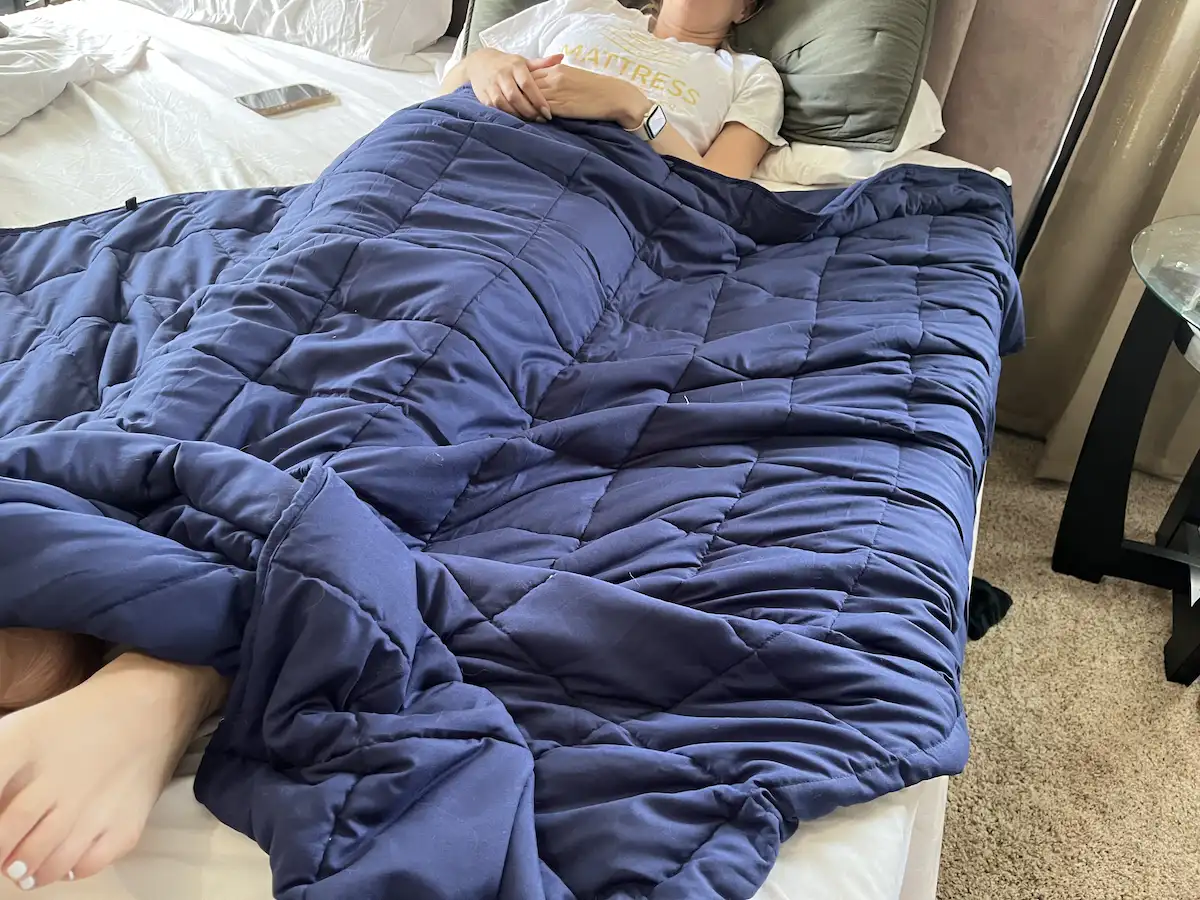
Regular blankets primarily provide warmth.
Weighted blankets provide both warmth and proprioceptive pressure.
That pressure changes how the nervous system interprets the sleep environment.
Many users report the experience feels fundamentally different from standard bedding.
Weighted Blankets and Modern Wellness Culture
The rise of weighted blankets reflects a broader cultural trend toward nervous system regulation.
Modern life often produces:
- Chronic stimulation
- Digital overload
- Persistent stress
- Sleep disruption
- Emotional exhaustion
People increasingly seek tools that help create:
- Calm
- Grounding
- Emotional regulation
- Better sleep hygiene
Weighted blankets fit naturally into this movement.
The Future of Weighted Blanket Research
Researchers continue studying:
- Nervous system responses
- Heart rate variability
- Sleep architecture
- Sensory integration
- Anxiety reduction
- Stress hormone regulation
Future studies may clarify:
- Which populations benefit most
- Optimal weight ranges
- Long-term effects
- Neurological mechanisms
- Sleep outcome differences
As neuroscience advances, scientists may better understand how tactile sensory input affects emotional regulation and recovery.
Frequently Asked Questions
Do weighted blankets actually work scientifically?
Yes, weighted blankets are supported by plausible neurological and physiological theories involving deep pressure stimulation, nervous system regulation, and relaxation responses. Research is promising but still developing.
How do weighted blankets calm anxiety?
Weighted blankets may help reduce nervous system hyperarousal by activating parasympathetic responses associated with relaxation and safety.
Why do weighted blankets help sleep?
They may reduce restlessness, lower stress, promote relaxation, and create a calming sleep environment that supports easier sleep onset.
What is deep pressure stimulation?
Deep pressure stimulation is firm, evenly distributed pressure applied to the body that may produce calming neurological effects.
Do weighted blankets increase serotonin?
Some scientists believe deep pressure stimulation may encourage serotonin production, although evidence remains limited.
Are weighted blankets safe to use every night?
Most healthy adults can use weighted blankets nightly, provided the blanket weight is appropriate and comfortable.
Can weighted blankets help ADHD or autism?
Some individuals with ADHD or autism report benefits related to sensory regulation and calming effects, though responses vary widely.
Can weighted blankets be too heavy?
Yes. Excessive weight can cause discomfort, overheating, or restricted movement.
What weight weighted blanket should I choose?
Many manufacturers recommend around 10% of body weight, though personal comfort is most important.
Do weighted blankets improve deep sleep?
Some users report improved sleep quality and continuity, though research findings are still mixed regarding specific sleep-stage changes.
Why do weighted blankets feel relaxing?
Weighted blankets feel relaxing because they apply steady, evenly distributed pressure across the body. This pressure may help the nervous system shift toward a calmer state, similar to the feeling of being hugged or gently held.
What is the main scientific idea behind weighted blankets?
The main scientific idea behind weighted blankets is deep pressure stimulation. This refers to firm, consistent pressure that may help regulate the nervous system, reduce arousal, and promote relaxation.
Do weighted blankets affect the nervous system?
Weighted blankets may affect the nervous system by encouraging parasympathetic activity, which is associated with rest, digestion, recovery, and sleep readiness.
Can a weighted blanket help calm racing thoughts?
A weighted blanket may help some people calm racing thoughts by reducing physical restlessness and creating a stronger sense of safety, grounding, and sensory stability.
Why do weighted blankets feel like a hug?
Weighted blankets feel like a hug because they apply gentle pressure over a large area of the body. This pressure can mimic the calming sensation of firm touch or physical reassurance.
Do weighted blankets lower stress?
Weighted blankets may help lower perceived stress for some people by promoting relaxation and reducing nervous system arousal. They are best used as a supportive calming tool, not as a standalone treatment for chronic stress.
Can weighted blankets help with overstimulation?
Weighted blankets may help with overstimulation by providing predictable sensory input. This steady pressure can feel grounding for people who feel overwhelmed by noise, light, emotions, or general sensory overload.
Why do weighted blankets help some people fall asleep faster?
Weighted blankets may help some people fall asleep faster by reducing restlessness, supporting relaxation, and making the body feel more secure before sleep.
Do weighted blankets increase melatonin?
Some theories suggest weighted blankets may indirectly support melatonin production by promoting relaxation, but the evidence is still limited. Their sleep benefits likely come from a combination of nervous system calming, comfort, and routine.
Do weighted blankets increase serotonin?
Deep pressure stimulation may influence serotonin-related relaxation pathways, but more research is needed. Weighted blankets should not be viewed as a guaranteed way to increase serotonin.
Do weighted blankets reduce cortisol?
Weighted blankets may help reduce perceived stress, which could relate to cortisol regulation, but research is still developing. Their main benefit appears to be helping the body feel calmer and safer.
Why do weighted blankets help with anxiety?
Weighted blankets may help with anxiety by providing deep pressure input that can reduce physical tension, restlessness, and nervous system hyperarousal.
Can weighted blankets stop panic attacks?
Weighted blankets cannot reliably stop panic attacks, but some people find them helpful as part of a calming routine. Anyone experiencing frequent panic attacks should seek support from a qualified healthcare professional.
Why do weighted blankets help with sensory regulation?
Weighted blankets may help with sensory regulation because they provide proprioceptive input, which helps the body understand its position and feel more grounded.
What is proprioceptive input?
Proprioceptive input is sensory information from muscles and joints that helps the brain understand where the body is in space. Weighted blankets provide this input through gentle pressure.
Are weighted blankets scientifically proven?
Weighted blankets have some scientific support, especially around deep pressure stimulation, relaxation, anxiety reduction, and sleep quality. However, research is still growing, and results vary from person to person.
Why do weighted blankets not work for everyone?
Weighted blankets do not work for everyone because people process pressure, heat, restriction, and sensory input differently. Some people find them calming, while others feel uncomfortable or confined.
Can a weighted blanket make anxiety worse?
A weighted blanket can make anxiety worse for some people if the pressure feels restrictive, claustrophobic, too warm, or difficult to move under.
Why does blanket weight matter?
Blanket weight matters because too little pressure may not feel calming, while too much pressure can feel uncomfortable or restrictive. The right weight should feel secure without making movement difficult.
Is heavier always better with weighted blankets?
Heavier is not always better. A weighted blanket should feel calming and manageable, not crushing, restrictive, or difficult to remove.
Can weighted blankets improve sleep quality?
Weighted blankets may improve sleep quality for some people by reducing restlessness, promoting relaxation, and creating a more secure sleep environment.
Do weighted blankets help with deep sleep?
Some people report deeper, more restful sleep with weighted blankets, but scientific evidence on specific sleep stages is still limited.
Why do weighted blankets help people feel safe?
Weighted blankets may help people feel safe because consistent pressure can create a sense of containment, stability, and physical reassurance.
Can weighted blankets help with ADHD?
Weighted blankets may help some people with ADHD by reducing nighttime restlessness and supporting sensory regulation, especially during bedtime routines.
Can weighted blankets help autistic people?
Some autistic people find weighted blankets calming because of the steady pressure and sensory input. Others may dislike the sensation, so personal preference is very important.
Are weighted blankets good for the vagus nerve?
Weighted blankets may support relaxation responses associated with the parasympathetic nervous system, where the vagus nerve plays an important role. However, more research is needed before making strong claims.
Can weighted blankets help with emotional regulation?
Weighted blankets may support emotional regulation by helping the body feel calmer, more grounded, and less physically restless during moments of stress.
Why do weighted blankets feel grounding?
Weighted blankets feel grounding because the added pressure gives the body steady sensory feedback, which can reduce feelings of scattered energy or physical unease.
Can weighted blankets replace therapy or medication?
Weighted blankets cannot replace therapy, medication, or professional treatment. They may be useful as a supportive comfort tool alongside appropriate care.
What is the simplest explanation of how weighted blankets work?
Weighted blankets work by applying gentle, even pressure to the body. This pressure may help calm the nervous system, reduce restlessness, and make it easier to relax or fall asleep.
Conclusion
Weighted blankets work scientifically through a combination of neurological, physiological, and psychological mechanisms centered around deep pressure stimulation.
By applying steady, evenly distributed pressure, weighted blankets may help:
-
-
- Activate the parasympathetic nervous system
- Reduce stress responses
- Calm sensory overload
- Promote relaxation
- Improve subjective sleep quality
- Create feelings of safety and containment
While research is still evolving, the underlying science is credible and biologically plausible.
For many people, weighted blankets provide more than comfort.
They offer a physical signal to the nervous system that it is finally safe to rest.
And in a world defined by over-stimulation and chronic stress, that feeling can be profoundly powerful.
-
Ready To Sleep Better?
Take our quiz to find the mattress that fits your sleep style and budget.
"I found my perfect mattress in 60 seconds." - Sarah H., side sleeper
✅ Super fun! 🥳
⭐ Trusted by 10,000+ sleepers 😴
🛏 Personalized mattress match 💤