

Weighted blankets have become one of the most talked-about sleep products in recent years. Once considered a niche tool primarily used in therapeutic settings, they are now found in bedrooms around the world. From people struggling with anxiety and insomnia to those simply looking for deeper, more restorative sleep, weighted blankets have developed a reputation for comfort and calm.
But as more people begin using them regularly, an important question continues to surface:
Can you sleep with a weighted blanket every night?
For most healthy adults, the answer is yes. In fact, many people use weighted blankets nightly and report positive effects on sleep quality, stress reduction, relaxation, and overall comfort. However, there are still important factors to consider before making a weighted blanket part of your long-term sleep routine.
The right blanket can feel soothing and supportive. The wrong one can feel restrictive, overly warm, or uncomfortable. There are also safety considerations for children, older adults, and individuals with certain medical conditions.
In this comprehensive guide, we’ll explore:
- How weighted blankets work
- Whether nightly use is safe
- The potential benefits of sleeping with one every night
- Possible side effects and drawbacks
- How to choose the right weight and material
- Who should avoid weighted blankets
- Tips for sleeping comfortably with one long-term
- Frequently asked questions about nightly use
If you’re considering using a weighted blanket every night — or you already do and want to know whether it’s a healthy habit — this guide covers everything you need to know.
What Is a Weighted Blanket?
A weighted blanket is a blanket filled with materials designed to add evenly distributed pressure across the body. Most weighted blankets contain either:
- Glass beads
- Plastic pellets
- Steel microbeads
- Dense fabric layers
Unlike regular blankets, weighted blankets are intentionally heavier, usually ranging from 5 to 30 pounds.
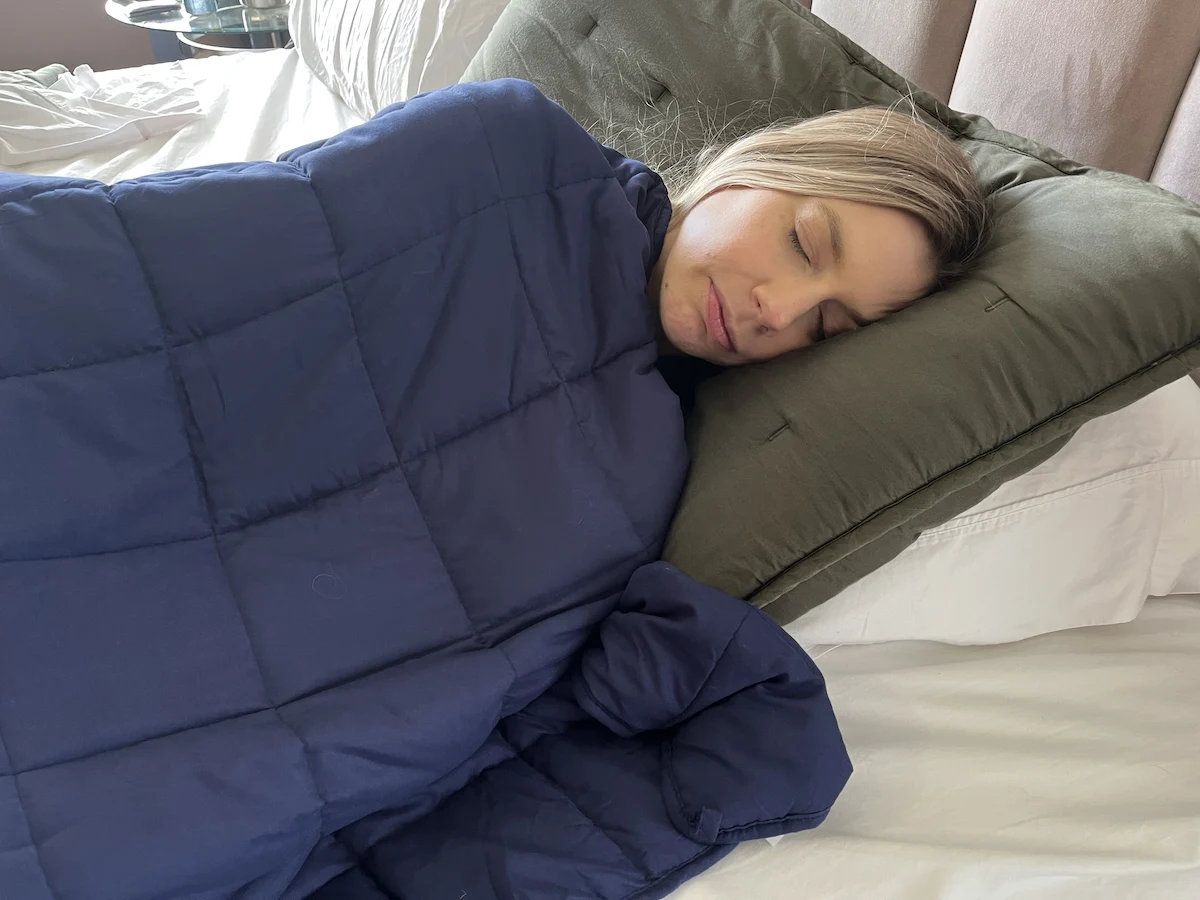
The added weight creates a sensation known as deep pressure stimulation (DPS), which is believed to help calm the nervous system and promote relaxation.
Weighted blankets are commonly marketed for:
- Anxiety relief
- Stress reduction
- Improved sleep
- Sensory regulation
- Relaxation
- Restless sleep
- Comfort during periods of emotional overwhelm
Although scientific research is still evolving, many users report significant improvements in how quickly they fall asleep and how rested they feel upon waking.
Read More: How Weighted Blankets Work Scientifically | How to Wash a Weighted Blanket | How Long Before Bed Should You Stop Using Your Phone? | Sleep Guides
Why Do People Sleep With Weighted Blankets Every Night?
Most people who begin using weighted blankets occasionally eventually transition into nightly use because they enjoy the feeling of comfort and relaxation.
There are several common reasons people choose to sleep with a weighted blanket every night.
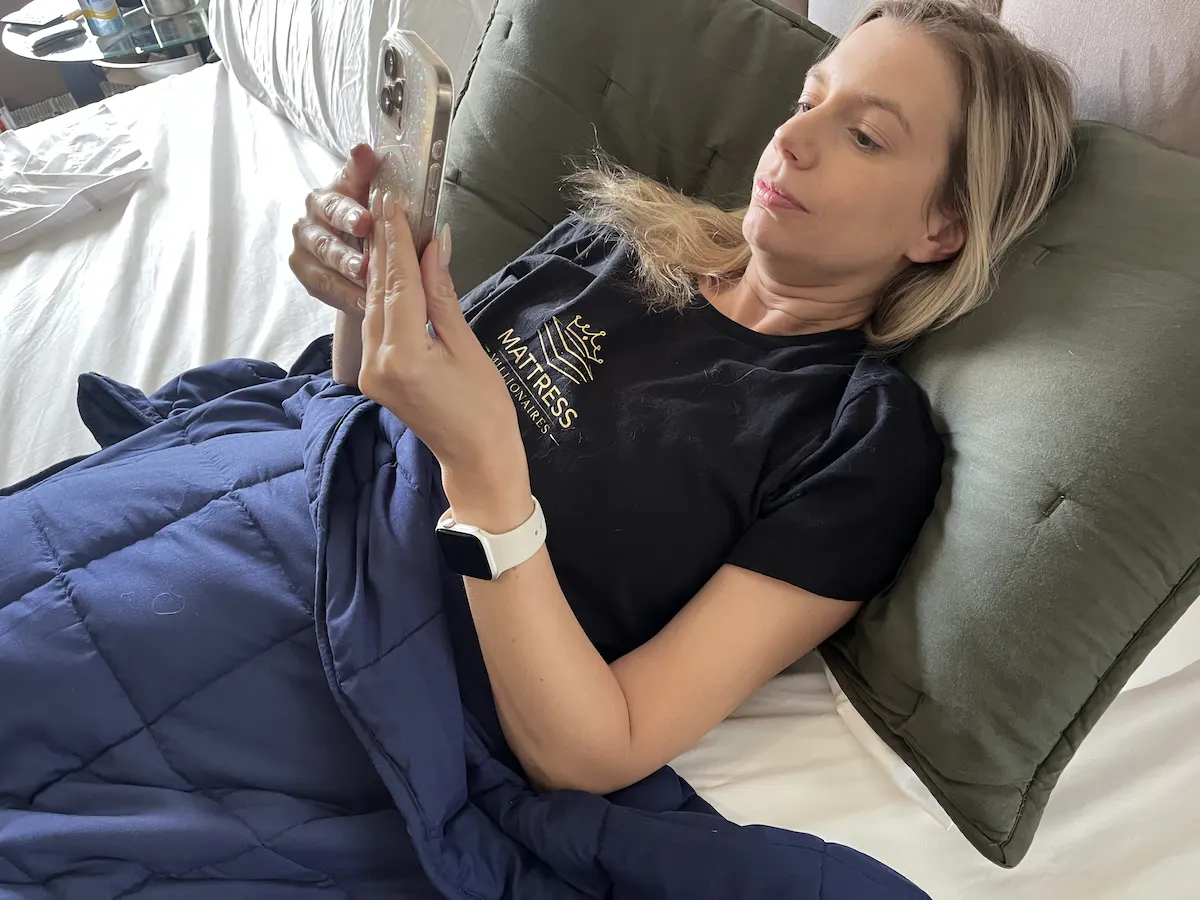
Anxiety Reduction
One of the biggest reasons people use weighted blankets consistently is anxiety management.
The pressure from the blanket may help activate the parasympathetic nervous system — the body’s “rest and digest” mode — which can counter feelings of stress and hyperarousal.
Many users describe the sensation as:
- Grounding
- Calming
- Secure
- Hug-like
- Comforting
For people who experience racing thoughts at bedtime, a weighted blanket may create a more settled mental state.
If you tend to get warm at night, you may also want to learn why your mattress sleeps hot and what factors contribute to nighttime overheating.
Weighted blankets can improve comfort for some sleepers, but your mattress also plays a major role in pressure relief and support. Read our guide on what mattress firmness is best for you to optimize your sleep setup.
Better Sleep Quality
Sleep quality often matters more than total sleep duration.
Some weighted blanket users report:
- Falling asleep faster
- Waking less often during the night
- Feeling calmer before bed
- Sleeping more deeply
- Feeling more refreshed in the morning
While experiences vary, the consistent pressure may reduce nighttime restlessness for some individuals.
Stress Relief
Modern lifestyles expose many people to chronic stress. Weighted blankets are sometimes used as part of a broader relaxation routine that includes:
- Meditation
- Sleep hygiene practices
- Reduced screen time
- Aromatherapy
- White noise
- Stretching before bed
For some people, the physical pressure simply helps them unwind after mentally exhausting days.
Sensory Comfort
Weighted blankets are also popular among individuals who prefer strong sensory input.
Some people naturally find heavy bedding more comforting than light bedding. Others dislike the feeling of lightweight sheets and blankets moving around during sleep.
The stable, grounded sensation can feel emotionally reassuring.
How Weighted Blankets Work
The effects of weighted blankets are usually linked to deep pressure stimulation.
What Is Deep Pressure Stimulation?
Deep pressure stimulation refers to firm but gentle pressure applied to the body. Similar sensations may come from:
- Hugs
- Swaddling
- Massage therapy
- Compression garments
Researchers believe this pressure may influence the autonomic nervous system.
The autonomic nervous system has two primary states:
- Sympathetic nervous system (“fight or flight”)
- Parasympathetic nervous system (“rest and digest”)
Stress, anxiety, and overstimulation can increase sympathetic activity. Deep pressure may help encourage parasympathetic activity instead.
This shift may:
- Lower heart rate
- Promote calmness
- Reduce physical tension
- Support relaxation before sleep
If you primarily sleep on your side while using a weighted blanket, proper alignment matters. Check out our tips on how to sleep on your side for better comfort and spinal support.
Many people use weighted blankets to improve relaxation and sleep quality. Understanding what happens when you sleep can help explain why calming bedtime routines are so important.
Neurochemical Effects
Some research suggests weighted blankets may influence:
- Serotonin
- Melatonin
- Cortisol
Serotonin helps regulate mood and emotional stability. Melatonin plays a role in sleep timing. Cortisol is associated with stress.
Although more large-scale research is needed, the theory is that deep pressure may help create conditions favorable for sleep and relaxation.
Is It Safe to Sleep With a Weighted Blanket Every Night?
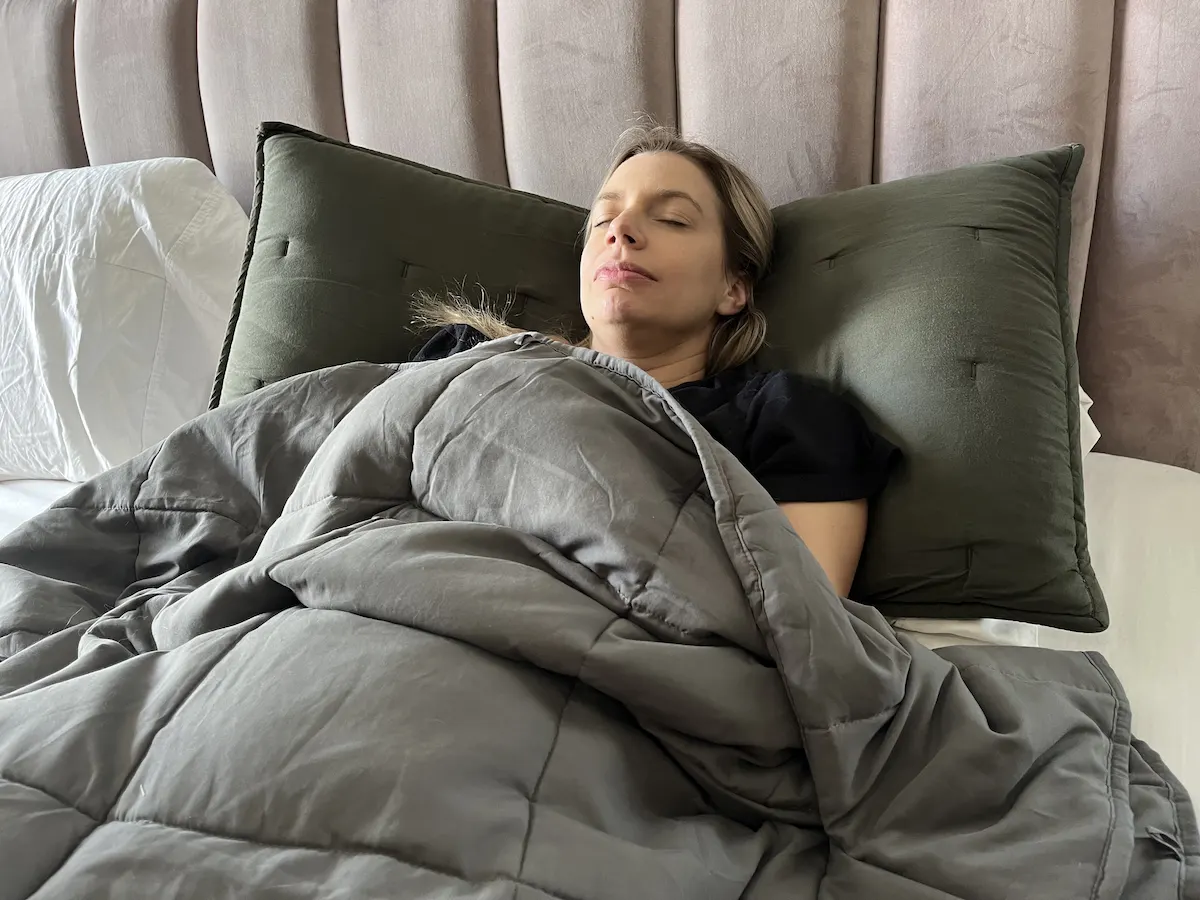
For most healthy adults, sleeping with a weighted blanket every night is generally considered safe.
However, safety depends on:
- Using the correct weight
- Choosing breathable materials
- Being physically able to remove the blanket independently
- Not having medical conditions that could make pressure unsafe
Most problems arise when:
- The blanket is too heavy
- The user sleeps excessively hot
- The person has circulation or respiratory problems
- The blanket is used incorrectly
When chosen properly, many people use weighted blankets nightly for years without issues.
How Heavy Should a Weighted Blanket Be?
One of the most important factors in safe nightly use is selecting the correct weight.
The 10% Rule
A common recommendation is:
Choose a weighted blanket that is approximately 10% of your body weight.
Examples:
- 120-pound person → 12-pound blanket
- 150-pound person → 15-pound blanket
- 200-pound person → 20-pound blanket
This guideline is not absolute, but it’s a helpful starting point.
If overheating is your biggest concern, don’t miss our full guide on can a weighted blanket cause overheating and how to stay cool while sleeping.
Why Weight Matters
A blanket that’s too light may not provide noticeable pressure.
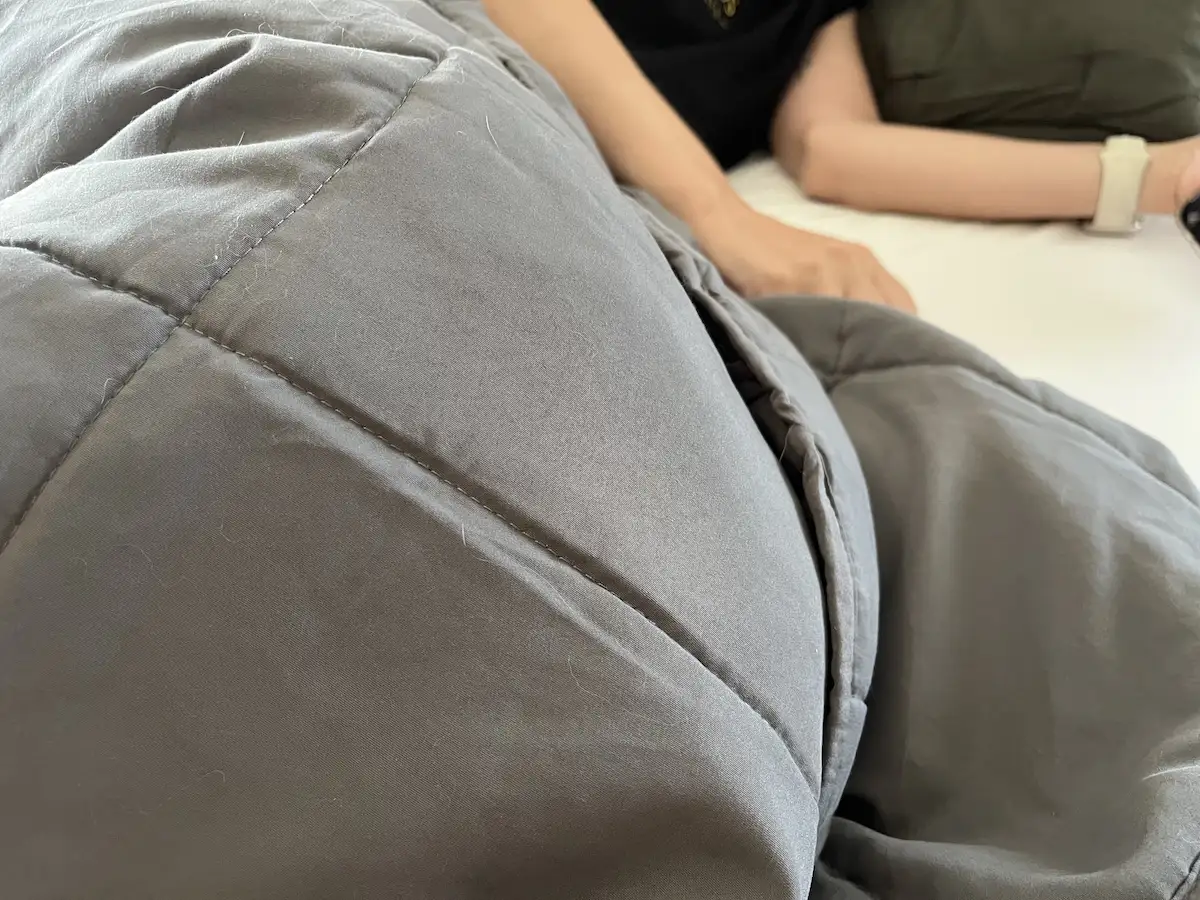
A blanket that’s too heavy may:
- Feel restrictive
- Cause discomfort
- Increase overheating
- Create soreness
- Make movement difficult
- Disrupt sleep
The goal is gentle pressure — not immobilization.
Personal Preference Matters
Some people prefer lighter pressure while others enjoy heavier blankets.
Factors that influence comfort include:
- Body size
- Sleep position
- Sensitivity to pressure
- Anxiety levels
- Muscle or joint issues
- Temperature sensitivity
Most users benefit from starting lighter and adjusting later if needed.
Benefits of Sleeping With a Weighted Blanket Every Night
Weighted blanket users often report several long-term benefits from nightly use.
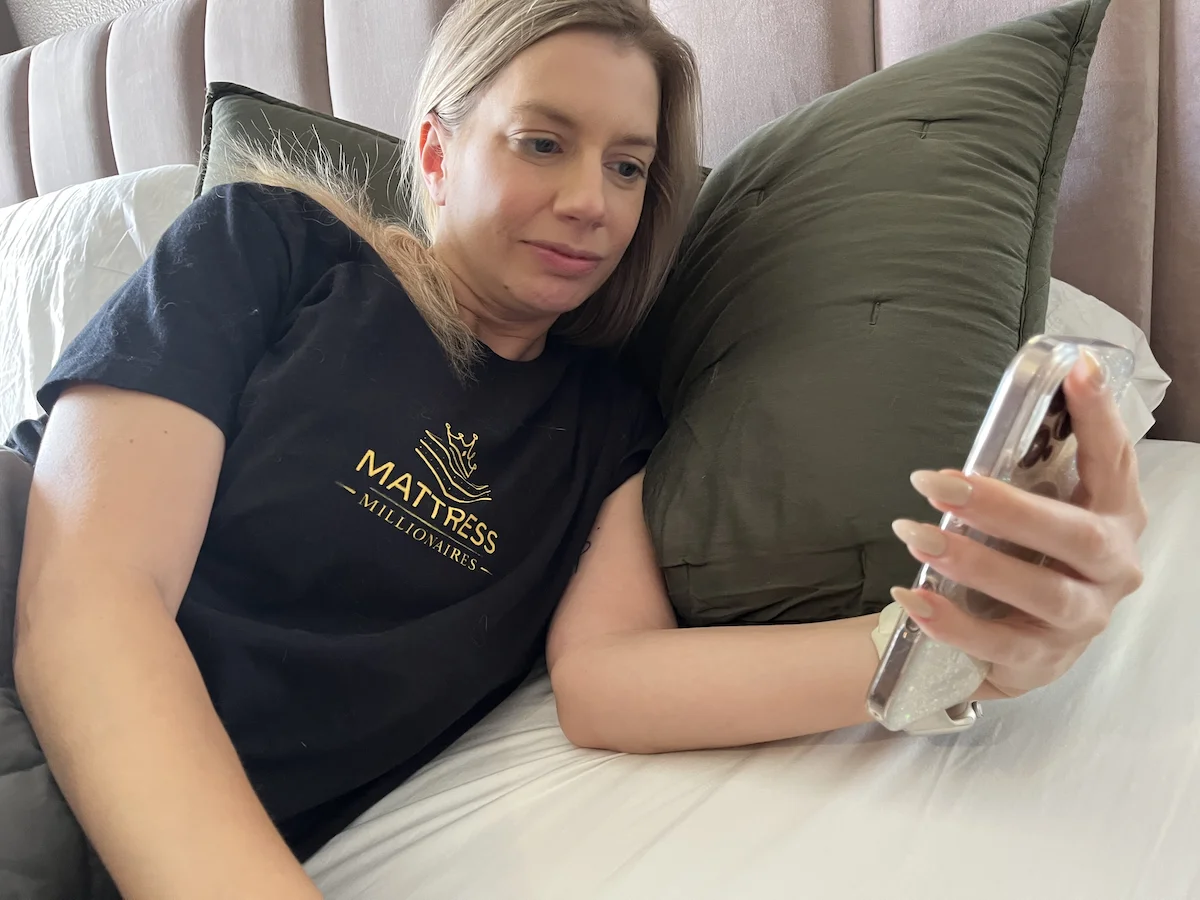
1. Faster Sleep Onset
Some people struggle with “sleep latency,” meaning it takes a long time to fall asleep.
Weighted blankets may help reduce:
- Mental overstimulation
- Physical restlessness
- Anxiety-related tension
This can help some individuals settle into sleep more quickly.
2. Reduced Nighttime Anxiety
Anxiety often intensifies at night when distractions disappear.
Many users say weighted blankets help reduce:
- Racing thoughts
- Restlessness
- Panic sensations
- Nervous energy
The physical sensation of pressure may feel emotionally stabilizing.
3. Better Sleep Continuity
Some users report fewer nighttime awakenings.
Potential reasons include:
- Feeling more secure
- Reduced movement during sleep
- Increased comfort
- Less tossing and turning
Better sleep continuity may improve daytime energy levels.
4. Physical Relaxation
The pressure may help relax tense muscles and create a cocoon-like feeling.
This can be particularly comforting during:
- Stressful periods
- Emotional overwhelm
- High-pressure workweeks
- Recovery from mentally exhausting days
5. Improved Bedtime Routine
Consistency matters in sleep hygiene.
Using a weighted blanket nightly may become part of a predictable routine that signals the brain it’s time to rest.
Potential Drawbacks of Sleeping With a Weighted Blanket Every Night
Although many people enjoy nightly use, weighted blankets are not ideal for everyone.
Overheating
One of the most common complaints is getting too hot.
Weighted blankets can trap body heat, especially if they are made from:
- Fleece
- Thick polyester
- Dense quilting
- Non-breathable fabrics
Overheating may lead to:
- Sweating
- Frequent waking
- Discomfort
- Poor sleep quality
How to Reduce Overheating
Look for:
- Cotton covers
- Bamboo fabrics
- Moisture-wicking materials
- Cooling weighted blankets
- Glass bead filling
You can also:
- Lower room temperature
- Use lighter sheets
- Run a fan
- Avoid layering multiple heavy blankets
Can Weighted Blankets Cause Claustrophobia?
Some people dislike the sensation of pressure during sleep.
A blanket that feels comforting to one person may feel restrictive to another.
People with claustrophobia or sensory sensitivities may experience:
- Anxiety
- Restlessness
- Feelings of being trapped
- Difficulty relaxing
If this happens, a lighter blanket may help.
Can You Become Dependent on a Weighted Blanket?
Some users worry about becoming psychologically dependent on their weighted blanket.
There is no evidence that weighted blankets create physical dependency.
However, people may become accustomed to the comfort and routine associated with them.
This is similar to:
- Preferring a certain pillow
- Sleeping with white noise
- Using blackout curtains
Most users can still sleep without a weighted blanket if needed.
Who Should Not Sleep With a Weighted Blanket Every Night?
Weighted blankets are not suitable for everyone.
People With Respiratory Conditions
Individuals with:
- Asthma
- COPD
- Severe sleep apnea
- Breathing disorders
should consult a healthcare provider before using one regularly.
Heavy pressure may feel uncomfortable on the chest for some individuals.
People With Circulation Problems
Weighted blankets may not be ideal for people with:
- Poor circulation
- Certain cardiovascular conditions
- Neuropathy
- Blood flow issues
Individuals With Limited Mobility
Anyone unable to independently remove the blanket should avoid using one.
This includes some:
- Elderly individuals
- People with muscular weakness
- Individuals recovering from surgery
Young Children
Weighted blankets should never be used casually for infants or toddlers.
Children should only use weighted blankets:
- Under appropriate supervision
- With proper sizing
- According to pediatric guidance
Can Side Sleepers Use Weighted Blankets?
Yes. Many side sleepers enjoy weighted blankets.
However, side sleepers may notice:
- Increased shoulder pressure
- Hip compression
- Heat buildup
Choosing the right weight and breathable fabric becomes especially important.
Can Back Sleepers Use Weighted Blankets?
Back sleepers often tolerate weighted blankets well because pressure distributes evenly across the body.
However, people with chest discomfort or breathing sensitivity may prefer lighter options.
Can Stomach Sleepers Use Weighted Blankets?
Stomach sleepers may experience:
- Chest pressure
- Restricted breathing sensation
- Neck strain
Lighter blankets are usually more comfortable for stomach sleepers.
Do Weighted Blankets Help Insomnia?
Weighted blankets are not a cure for insomnia, but some people find them helpful.
They may improve sleep by:
- Reducing anxiety
- Promoting relaxation
- Creating a calming bedtime environment
However, chronic insomnia may require broader interventions such as:
- Sleep hygiene improvements
- Cognitive behavioral therapy
- Stress management
- Medical evaluation
Can You Sleep Too Long With a Weighted Blanket?
Sleeping overnight with a weighted blanket is generally fine for healthy adults.
There is no established evidence that long-duration nightly use is harmful when:
- The weight is appropriate
- The user is comfortable
- No medical contraindications exist
However, discomfort, overheating, or soreness may indicate the blanket is too heavy.
How Long Does It Take to Adjust to a Weighted Blanket?
Some people love weighted blankets immediately.
Others need several nights to adapt.
Common adjustment experiences include:
- Initial warmth
- Awareness of pressure
- Feeling slightly restricted at first
Most users adapt within:
- A few nights
- One to two weeks
Starting gradually can help.
Tips for Getting Used to a Weighted Blanket
Start Slowly
Try using the blanket:
- While relaxing on the couch
- During short naps
- For part of the night initially
Choose Breathable Materials
Cooling fabrics improve long-term comfort.
Don’t Layer Excessively
Too many blankets increase overheating risk.
Use Proper Weight
Avoid assuming heavier is always better.
Weighted Blanket Materials: Which Are Best for Nightly Use?
Material choice greatly affects comfort.
Cotton
Cotton is breathable, soft, and widely recommended.
Good for:
- Average sleepers
- Moderate climates
Bamboo
Bamboo-derived fabrics are popular for cooling.
Good for:
- Hot sleepers
- Humid environments
Minky Fabric
Minky feels plush and cozy but may trap heat.
Good for:
- Cold climates
- Winter use
Linen
Linen is breathable and moisture-wicking.
Good for:
- Warm sleepers
- Natural fabric lovers
Glass Beads vs Plastic Pellets
Most weighted blankets use one of two fillings.
Glass Beads
Pros:
- Smaller and smoother
- Better weight distribution
- Less bulky
- Often cooler
Cons:
- Usually more expensive
Plastic Pellets
Pros:
- Budget-friendly
- Durable
Cons:
- Bulkier
- May retain more heat
For nightly use, many people prefer glass bead blankets.
Can Weighted Blankets Improve Mental Health?
Weighted blankets are not medical treatments, but some people report emotional benefits.
Potential effects may include:
- Reduced stress
- Emotional grounding
- Improved relaxation
- Better bedtime transitions
However, they should not replace professional treatment for:
- Anxiety disorders
- Depression
- Trauma
- Sleep disorders
Are Weighted Blankets Good for ADHD?
Some individuals with ADHD report improved relaxation and sleep with weighted blankets.
Possible reasons include:
- Reduced restlessness
- Increased sensory comfort
- Better bedtime calmness
Research remains limited, but anecdotal reports are common.
Are Weighted Blankets Good for Autism?
Weighted blankets are frequently used in sensory-support environments.
Some autistic individuals find deep pressure calming and regulating.
However:
- Preferences vary greatly
- Not everyone enjoys pressure
- Proper supervision and sizing are important
Can Weighted Blankets Cause Back Pain?
An excessively heavy blanket may contribute to discomfort.
Potential issues include:
- Muscle soreness
- Hip pressure
- Lower back strain
This is more likely if:
- The blanket is too heavy
- You have chronic pain conditions
- You sleep in one position all night
Reducing blanket weight often resolves the issue.
Do Weighted Blankets Affect Circulation?
A properly sized weighted blanket should not significantly impair circulation in healthy individuals.
However, excessive weight could:
- Create numbness
- Cause tingling
- Increase discomfort
If you notice these symptoms, stop using the blanket and reassess the weight.
Can Couples Share a Weighted Blanket?
Some couples enjoy shared weighted blankets, while others prefer individual ones.
Challenges of sharing include:
- Uneven pressure distribution
- Different temperature preferences
- Movement disruptions
Many couples find separate weighted blankets work better.
Are Weighted Blankets Worth Using Every Night?
For many users, yes.
The long-term value depends on:
- Sleep quality improvements
- Comfort
- Anxiety reduction
- Temperature regulation
People who genuinely enjoy the sensation often integrate weighted blankets permanently into their sleep routines.
Signs Your Weighted Blanket Is Too Heavy
You may need a lighter blanket if you experience:
- Difficulty moving
- Chest discomfort
- Excessive warmth
- Muscle soreness
- Poor sleep
- Feeling trapped
- Tingling or numbness
Comfort should feel calming — not restrictive.
Signs Your Weighted Blanket Is Helping
Positive signs may include:
- Falling asleep faster
- Waking less often
- Feeling calmer at bedtime
- Reduced restlessness
- Better overall sleep quality
Not everyone experiences dramatic changes, but subtle improvements matter too.
Should You Use a Weighted Blanket Year-Round?
Many people do.
However, some users switch depending on the season:
- Heavier blanket in winter
- Cooling weighted blanket in summer
Temperature sensitivity plays a major role.
Cleaning and Maintenance
Nightly use means regular cleaning matters.
Most weighted blankets:
- Have removable covers
- Require spot cleaning
- Need gentle washing methods
Always check manufacturer instructions.
A removable duvet-style cover makes maintenance easier.
Common Mistakes People Make With Weighted Blankets
Choosing One That’s Too Heavy
More weight does not automatically mean better sleep.
Ignoring Temperature
Overheating is one of the biggest reasons people stop using weighted blankets.
Buying Based Only on Price
Cheaper blankets may:
- Clump unevenly
- Trap heat
- Use rough materials
Expecting Instant Results
Some people need time to adjust.
Frequently Asked Questions
Is it okay to sleep with a weighted blanket every night?
For most healthy adults, yes.
Can weighted blankets improve sleep quality?
Some people report deeper, calmer sleep and fewer nighttime awakenings.
Can weighted blankets cause overheating?
Yes, especially if made with dense or non-breathable materials.
How heavy should a weighted blanket be?
Typically around 10% of body weight.
Are weighted blankets safe for children?
Only when properly sized and used according to pediatric guidance.
Can weighted blankets help anxiety?
Some users find them calming, though they are not medical treatments.
Can weighted blankets help with restless legs?
Some people find that the pressure from a weighted blanket helps reduce the sensation of restlessness in their legs at night, although results vary from person to person.
Do weighted blankets make you sweat at night?
They can if the blanket uses heat-retaining materials or if you naturally sleep hot. Cooling fabrics and breathable fillings may help reduce sweating.
Can I use a weighted blanket during summer?
Yes, many people use weighted blankets year-round by choosing cooling materials such as cotton or bamboo.
Are weighted blankets bad for your joints?
A properly weighted blanket should not harm healthy joints, but an excessively heavy blanket may create discomfort for some users.
Can weighted blankets help reduce stress?
Many users report feeling calmer and more relaxed when using a weighted blanket before bed.
Should seniors use weighted blankets?
Some seniors use weighted blankets comfortably, but individuals with mobility, circulation, or respiratory issues should consult a healthcare provider first.
Can weighted blankets improve naps?
Many people enjoy using weighted blankets during naps because the pressure may help them relax more quickly.
Do weighted blankets flatten over time?
High-quality weighted blankets usually maintain their structure well, although cheaper models may develop uneven filling distribution.
Can weighted blankets help with panic attacks?
Some people find the pressure calming during moments of anxiety, but weighted blankets are not a substitute for professional medical care.
Are weighted blankets safe for pets?
Pets should never be trapped beneath a weighted blanket and should always be able to move freely.
Can weighted blankets improve deep sleep?
Some users report feeling like they sleep more deeply and wake up less often throughout the night.
Do weighted blankets lose effectiveness over time?
Most users continue enjoying the same comfort benefits long-term if the blanket remains comfortable and well-maintained.
Can I travel with a weighted blanket?
Yes, although heavier blankets may be difficult to transport. Some brands offer travel-sized weighted blankets.
Are weighted blankets machine washable?
Some are machine washable, while others require spot cleaning or removable covers. Always follow the care instructions.
Can weighted blankets help with bedtime anxiety?
Many people use weighted blankets specifically to help them relax before sleep and reduce nighttime anxiety.
Do weighted blankets smell when new?
Some blankets may have a mild manufacturing odor initially, which usually fades after airing out or washing.
Can weighted blankets help adults with sensory issues?
Some adults with sensory sensitivities find deep pressure calming and comforting during sleep.
Can I use a weighted blanket with a duvet cover?
Yes, many weighted blankets are designed to fit inside removable duvet covers for easier cleaning.
Do weighted blankets work instantly?
Some users notice immediate comfort, while others may need several nights to adjust.
Can weighted blankets cause numbness?
If a blanket is too heavy, it may create pressure that leads to numbness or tingling during sleep.
Are weighted blankets noisy?
Most modern weighted blankets are relatively quiet, especially those filled with fine glass beads.
Can weighted blankets help people who toss and turn?
Some users feel more settled and move less frequently during the night when using a weighted blanket.
Should I use a weighted blanket if I sleep hot?
You can, but it’s important to choose breathable fabrics and cooling designs to reduce overheating.
Can weighted blankets improve sleep routines?
Many people use them as part of a calming nighttime routine that encourages relaxation and consistency.
Are weighted blankets safe for pregnant women?
Pregnant individuals should speak with a healthcare provider before using a weighted blanket regularly.
Can weighted blankets help after stressful days?
Many users enjoy the calming sensation after mentally or emotionally exhausting days.
Do weighted blankets work for everyone?
No. Some people love them, while others find them too warm, restrictive, or uncomfortable.
Can weighted blankets replace sleep medication?
Weighted blankets are not medical treatments and should not replace prescribed medications without medical advice.
Is a heavier weighted blanket always better?
No. Choosing the correct weight is more important than choosing the heaviest option available.
Can I sleep with multiple weighted blankets?
Using multiple weighted blankets is generally not recommended because excessive weight may become uncomfortable or unsafe.
Can weighted blankets help reduce bedtime overthinking?
Some users say the gentle pressure helps them feel calmer and less mentally overstimulated before sleep.
Do weighted blankets affect blood pressure?
There is limited research on this topic, but most healthy adults do not experience major blood pressure changes from proper weighted blanket use.
Can weighted blankets help during winter?
Many people enjoy the extra warmth and coziness of weighted blankets during colder months.
Are cooling weighted blankets effective?
Cooling weighted blankets may help reduce heat retention by using breathable fabrics and airflow-friendly construction.
Can weighted blankets help people feel more secure at night?
Many users describe the pressure as comforting and emotionally grounding during sleep.
Do weighted blankets work for light sleepers?
Some light sleepers report fewer nighttime disturbances and improved comfort when using a weighted blanket.
Can weighted blankets help with bedtime routines for adults?
Yes, some adults use weighted blankets as part of a relaxing nighttime ritual that helps signal it’s time for sleep.
How long do weighted blankets usually last?
A high-quality weighted blanket can last several years with proper care and regular maintenance.
Can weighted blankets be used while reading or relaxing?
Yes, many people use weighted blankets while watching TV, reading, meditating, or relaxing on the couch.
Do weighted blankets feel different from regular heavy comforters?
Yes, weighted blankets provide evenly distributed pressure rather than simply adding warmth or bulk.
Final Thoughts
So, can you sleep with a weighted blanket every night?
For most adults, absolutely.
A properly chosen weighted blanket can become a comfortable and relaxing part of a healthy bedtime routine. Many people report improved sleep quality, reduced nighttime anxiety, and a greater sense of calm when using one consistently.
That said, comfort and safety matter. The best weighted blanket is one that:
- Matches your body size
- Uses breathable materials
- Feels calming rather than restrictive
- Supports restful sleep without overheating
If your blanket feels too heavy, too hot, or uncomfortable, adjusting the weight or material can make a major difference.
Like any sleep product, weighted blankets are highly personal. What works perfectly for one person may not work for another. But for many people, nightly use provides exactly what they’re looking for: a more peaceful, grounded, and restorative sleep experience.
Ready To Sleep Better?
Take our quiz to find the mattress that fits your sleep style and budget.
"I found my perfect mattress in 60 seconds." - Sarah H., side sleeper
✅ Super fun! 🥳
⭐ Trusted by 10,000+ sleepers 😴
🛏 Personalized mattress match 💤