

Bedroom temperature is one of the most overlooked parts of sleep quality. Most people think about their mattress, pillow, bedtime routine, or screen habits before they think about the temperature of the room. But the temperature of your bedroom can make the difference between falling asleep quickly and tossing around for hours.
Your body does not sleep well by accident. Sleep depends on a series of biological signals, and one of the most important signals is temperature. As bedtime approaches, your core body temperature naturally begins to drop. This cooling process helps your brain and body transition into sleep. If your bedroom is too hot, too cold, too humid, or poorly ventilated, that natural process can be disrupted.
For many adults, the best bedroom temperature for sleep is usually somewhere around 60 to 67 degrees Fahrenheit. Some people prefer the lower end of that range, while others sleep better slightly warmer. The ideal temperature depends on your body, bedding, mattress, pajamas, climate, age, health, and whether you share the bed with someone else.
This guide explains why bedroom temperature matters, how it affects sleep, what temperature range to try, how to stay cool at night, how to stay warm without overheating, and how to build a bedroom environment that supports deeper, more comfortable rest.
Why Bedroom Temperature Matters for Sleep
Bedroom temperature matters because sleep and body temperature are closely connected. Your body follows a daily temperature rhythm. During the day, your core temperature is generally higher, which helps you feel awake and alert. In the evening, your body begins releasing heat, and your core temperature starts to fall. This drop in body temperature helps signal that it is time to sleep.
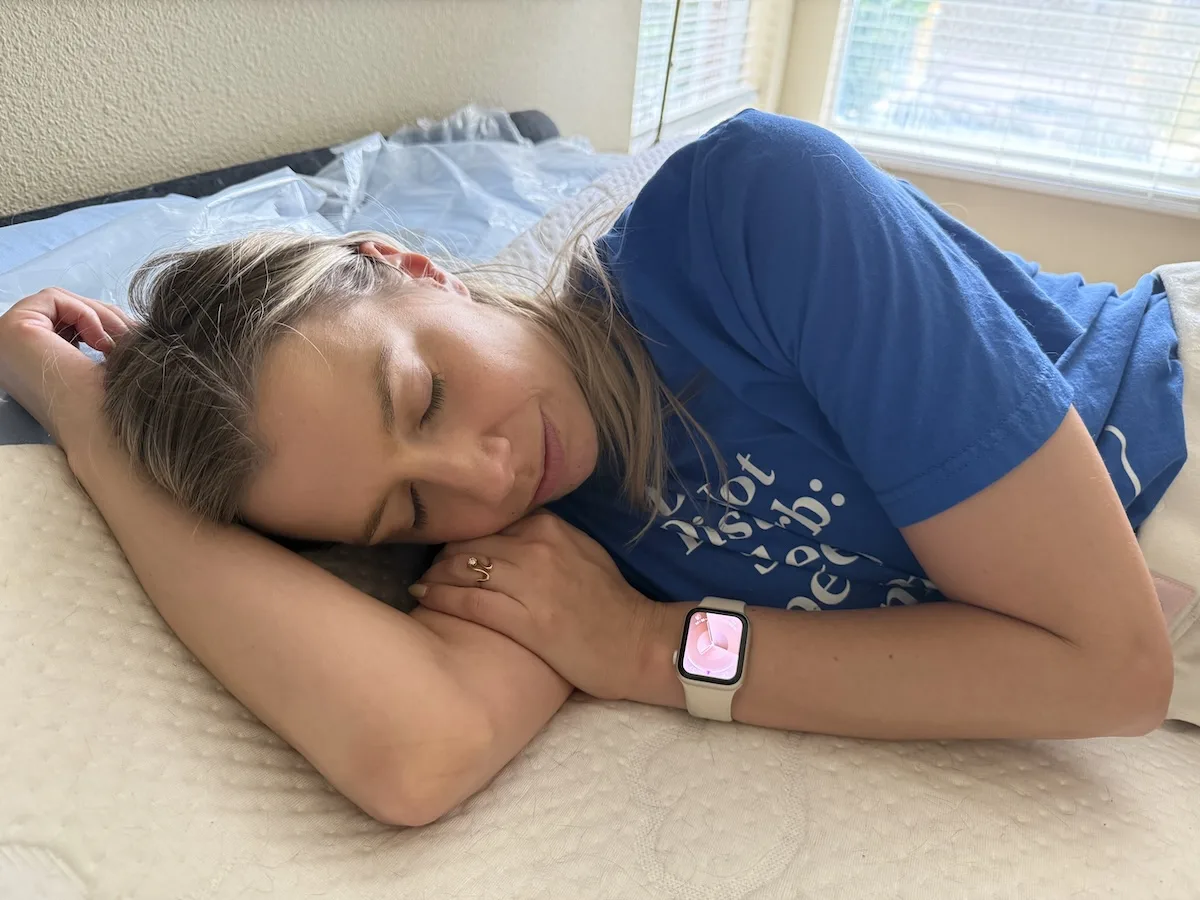
If your bedroom is too warm, your body may struggle to release heat. This can make it harder to fall asleep, stay asleep, and reach deeper stages of sleep. If your bedroom is too cold, your body may work harder to stay warm, causing tension, discomfort, or repeated awakenings.
The goal is not simply to make your room cold. The goal is to create a sleep environment that helps your body regulate temperature naturally. That means the right thermostat setting, breathable bedding, a supportive mattress, comfortable pajamas, good airflow, and a dark, quiet room.
Read More: What Colors Help You Sleep? | DLX Premier vs. Helix Midnight | Benefits Of Sleeping With Legs Elevated | Do Weighted Blankets Really Work For Insomnia?
What Is the Best Bedroom Temperature for Sleep?
For most adults, a bedroom temperature between 60 and 67 degrees Fahrenheit is a good starting point. Many sleep experts recommend this cooler range because it supports the body’s natural nighttime temperature drop.
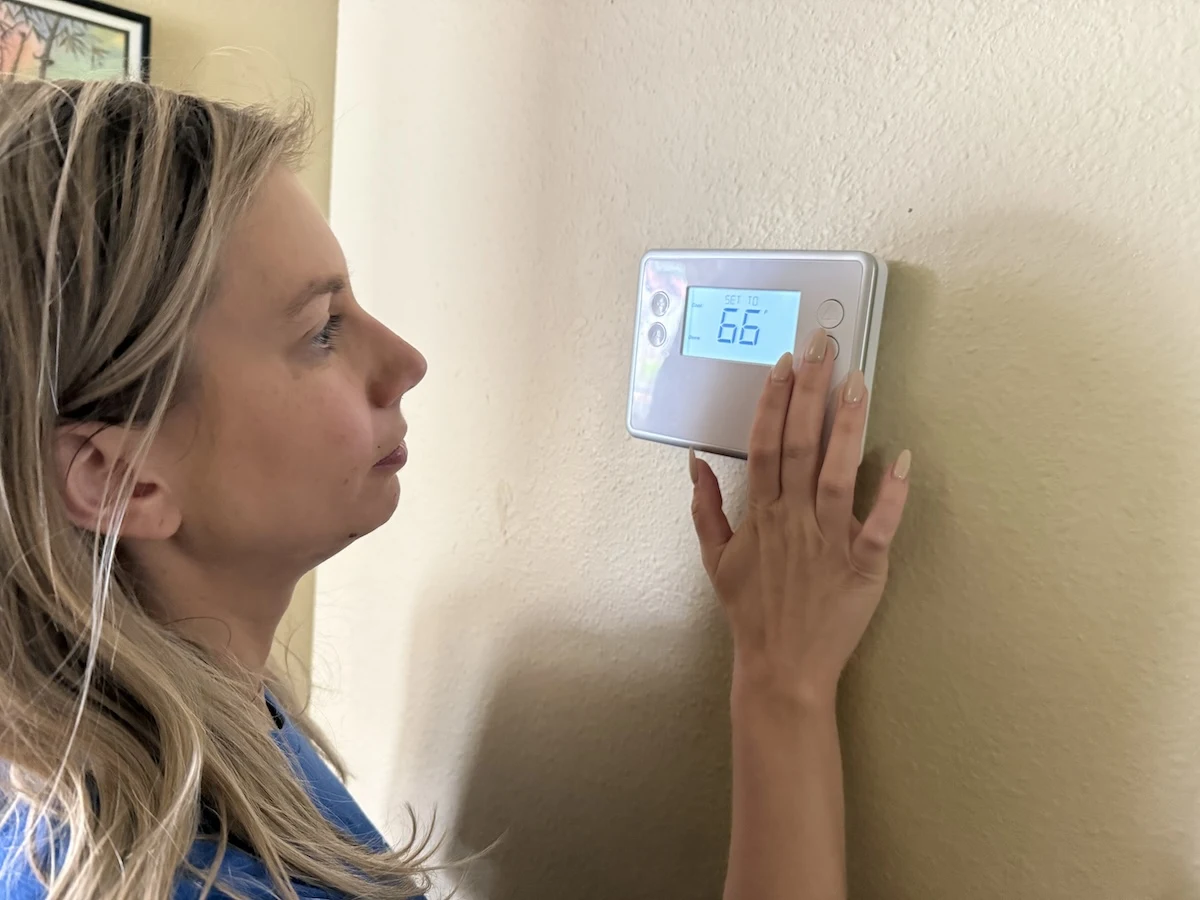
That does not mean every person must sleep at exactly 65 degrees. Some people feel best at 62 degrees with a heavier blanket. Others sleep better at 68 degrees with lightweight bedding. The ideal sleep temperature is personal, but the general rule is simple: your room should feel cool, comfortable, and easy to sleep in without causing sweating, shivering, or repeated blanket adjustments.
If you are not sure where to begin, try setting your thermostat to 65 degrees for a few nights. Then adjust by one or two degrees based on how you feel. If you wake up sweaty, try going cooler or changing your bedding. If you wake up cold or tense, try going slightly warmer or using better layers.
Why Cooler Rooms Often Improve Sleep
Cooler rooms often improve sleep because they help your body lose heat. As your body prepares for sleep, blood flow increases to the skin, especially in the hands and feet. This helps release heat from the body’s core. When your room is cool enough, this process happens more easily.
A cooler bedroom can help you fall asleep faster because your body receives a stronger signal that it is time to rest. It can also reduce night sweats, overheating, and restless tossing. Many people who think they are “bad sleepers” are actually sleeping in a room that is too warm for their body.
Temperature also affects sleep continuity. You may fall asleep in a warm room, but wake up later because your body becomes too hot under blankets. This is especially common with memory foam mattresses, heavy comforters, polyester sheets, or poorly ventilated bedrooms.
Can a Bedroom Be Too Cold for Sleep?
Yes, a bedroom can be too cold for sleep. While cooler temperatures often support better sleep, extreme cold can create discomfort. If you are shivering, clenching your muscles, curling tightly into a ball, or waking with cold hands and feet, your room may be too cold.
When your body is too cold, it may have trouble relaxing. Cold muscles can feel tense, and cold feet can make it harder to fall asleep. Some people sleep best in a cool room but with warm feet. This is why socks, an extra blanket, or a warm foot area can help some people sleep better without raising the whole room temperature.
The goal is balance. Your room should be cool enough to prevent overheating but warm enough that your body feels safe, relaxed, and comfortable.
Can a Bedroom Be Too Hot for Sleep?
Yes, a bedroom that is too hot can seriously disrupt sleep. Heat makes it harder for your body to lower its core temperature. This can delay sleep onset, increase restlessness, and cause more nighttime awakenings.
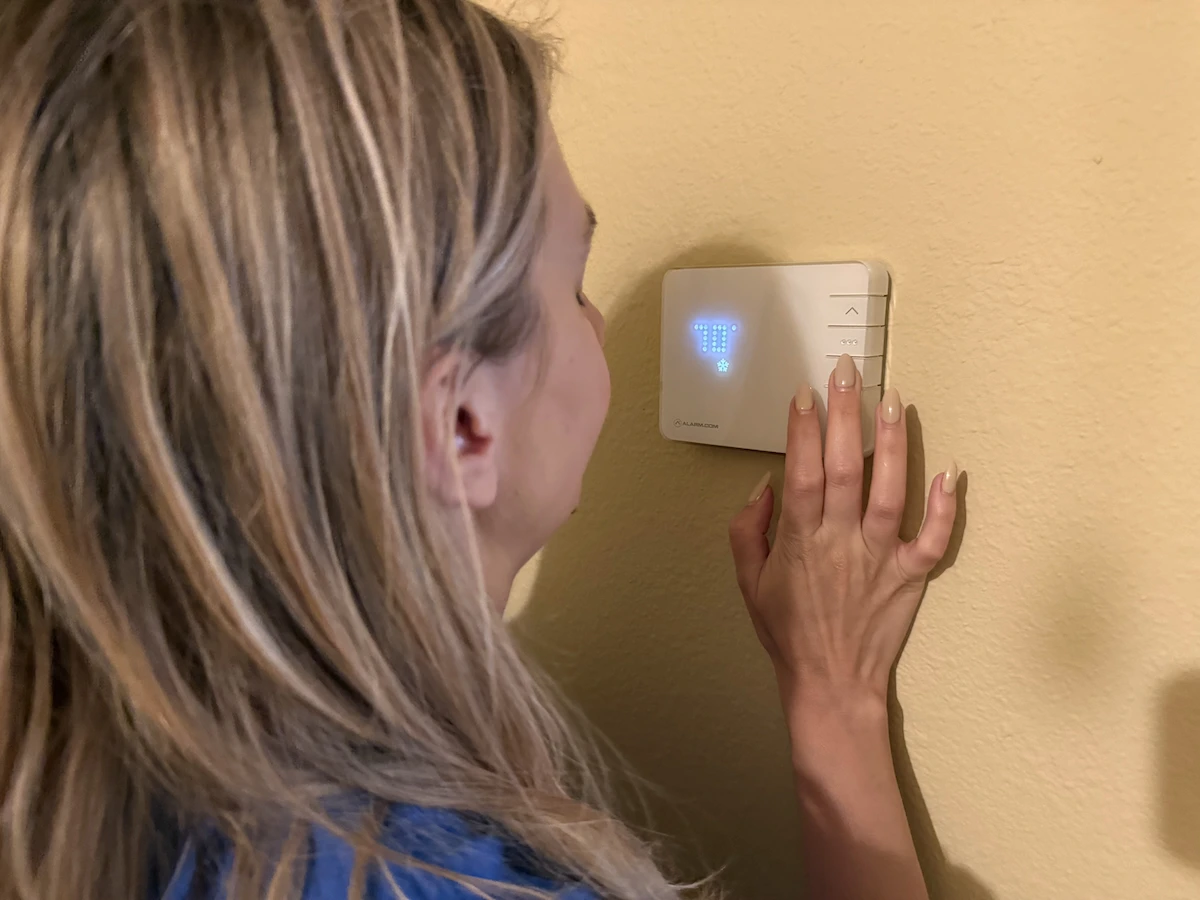
Signs your bedroom may be too hot include waking up sweaty, kicking off blankets, feeling thirsty at night, tossing and turning, waking with damp pajamas, or feeling groggy in the morning despite spending enough time in bed.
Heat can be especially disruptive during summer, in humid climates, in upstairs bedrooms, or for people who sleep on heat-trapping mattresses. If your room regularly rises above 70 degrees at night and you struggle with sleep, temperature may be part of the problem.
How Body Temperature Changes During Sleep
Your body temperature is not the same all day. It follows a circadian rhythm, which means it rises and falls across a roughly 24-hour cycle. In the evening, your body begins cooling down. During the night, your core temperature stays lower. Toward morning, it begins rising again to help you wake up.
This temperature rhythm is one reason you may feel sleepy at night and more alert in the morning. A bedroom that supports this rhythm can improve sleep quality. A bedroom that fights against it can make sleep harder.
When your sleep environment is too warm, your body may not cool efficiently. When it is too cold, your body may wake you to protect warmth. The best sleep environment works with your body’s natural rhythm instead of against it.
Bedroom Temperature and Deep Sleep
Deep sleep is the stage of sleep associated with physical restoration, immune support, tissue repair, and feeling refreshed. Temperature can influence how easily your body enters and maintains deep sleep.
A room that is too warm may cause more movement and lighter sleep. Instead of settling into deeper stages, your body may keep adjusting to cool itself down. You may not fully wake up every time, but those small disturbances can reduce sleep quality.
Creating a cooler, more stable sleep environment may help your body stay asleep more smoothly. This does not guarantee perfect deep sleep, but it removes one common barrier.
Bedroom Temperature and REM Sleep
REM sleep is the stage of sleep associated with dreaming, memory, emotional processing, and brain recovery. During REM sleep, the body’s ability to regulate temperature is reduced. This means your sleep environment becomes even more important.
If the room is too hot or too cold, your body may be more likely to wake up during REM sleep. These awakenings may be brief, but they can leave you feeling less rested. A stable bedroom temperature can help reduce disruptions and support more continuous sleep.
Why You Wake Up Sweating at Night
Waking up sweating can happen for many reasons. Sometimes the cause is simple: the room is too warm, the bedding is too heavy, or the mattress traps heat. Other times, night sweats may be related to hormones, stress, alcohol, medication, illness, or medical conditions.
If you wake up sweaty, first look at your sleep environment. Lower the thermostat, use breathable sheets, switch to lighter pajamas, reduce heavy comforters, and improve airflow. If night sweats continue even in a cool room, or if they are severe, frequent, or unexplained, it is worth speaking with a healthcare professional.
Why You Wake Up Cold at Night
Waking up cold can happen if your room temperature drops too low, your bedding is not warm enough, your pajamas are too light, or your circulation makes your hands and feet colder. Some people also feel colder after sweating earlier in the night because damp clothing and sheets cool the body.
If you wake up cold, avoid simply cranking up the heat immediately. Try layering first. Use breathable but warmer bedding, wear socks, add a blanket near your feet, or use flannel sheets in winter. Layering allows you to adjust warmth without overheating the entire room.
How Humidity Affects Sleep Temperature
Humidity plays a major role in how bedroom temperature feels. A 68-degree room with high humidity can feel warmer and stickier than a 68-degree room with dry air. When humidity is high, sweat does not evaporate as easily, making it harder for your body to cool itself.
Low humidity can also cause problems. Very dry air may irritate your throat, nose, skin, or eyes, especially during winter. This can lead to discomfort and awakenings.
For many people, moderate humidity feels best. If your bedroom feels sticky, a dehumidifier or air conditioner may help. If your bedroom feels dry, a humidifier may help, especially in cold months.
How Airflow Affects Sleep
Airflow can make a bedroom feel cooler and fresher. A fan, open window, ceiling fan, or HVAC system can help move warm air away from your body. Even if the thermostat stays the same, airflow can make the room feel more comfortable.
Airflow is especially helpful for hot sleepers. It can reduce the trapped heat that builds up around the body, mattress, and blankets. However, too much direct airflow can dry out your skin, eyes, or throat. If a fan bothers you, aim it away from your face or use it to circulate air around the room instead of directly across your body.
Mattress Temperature Matters Too
When people think about bedroom temperature, they usually think about the thermostat. But your mattress can have a major effect on how hot or cool you feel at night.
Some mattresses trap more heat than others. Traditional memory foam, dense foam layers, and mattresses without good airflow can hold body heat. Hybrid mattresses, innerspring mattresses, latex mattresses, and mattresses with breathable designs may sleep cooler for some people.
If your room is cool but you still wake up hot, your mattress could be part of the issue. Heat can build up directly underneath your body, especially if the mattress does not allow air to circulate.
Do Memory Foam Mattresses Sleep Hot?
Memory foam mattresses can sleep hot for some people because foam contours closely to the body. This close contouring can reduce airflow and trap heat. Older memory foam designs were especially known for heat retention.
Many modern memory foam mattresses include cooling features such as gel infusions, open-cell foam, copper, graphite, breathable covers, or phase-change materials. These features may help, but they do not work equally for everyone.
If you love the pressure relief of memory foam but sleep hot, look for a mattress with breathable construction, cooling cover materials, or a hybrid design that includes coils for airflow.
Do Hybrid Mattresses Sleep Cooler?
Hybrid mattresses often sleep cooler than all-foam mattresses because they include a coil support system. The space between coils allows more airflow through the mattress. This can help reduce heat buildup.
However, not all hybrids are automatically cool. The comfort layers still matter. A hybrid with thick, dense memory foam on top may still feel warm. A hybrid with breathable foam, latex, or cooling materials may feel cooler.
If temperature is a major concern, look at the full mattress design, not just the label.
Do Latex Mattresses Sleep Cool?
Latex mattresses often sleep cooler than traditional memory foam because latex is more responsive and usually allows better airflow. Natural latex may also be paired with breathable materials such as cotton and wool.
Latex does not hug the body as closely as memory foam, which can help reduce trapped heat. For hot sleepers who still want pressure relief and support, latex can be a strong option.
That said, mattress temperature depends on the entire design, including the cover, layers, foundation, and bedding.
Best Sheets for Temperature Regulation
Sheets can dramatically change how warm or cool your bed feels. Breathable sheets allow heat and moisture to escape, while less breathable sheets can trap warmth.
Common cooling sheet materials include cotton percale, linen, bamboo-derived fabrics, and Tencel. Cotton percale has a crisp, breathable feel. Linen is airy and moisture-wicking. Bamboo-derived fabrics are often soft and smooth. Tencel can feel cool and lightweight.
Avoid assuming that higher thread count always means better sleep. Very high thread count sheets can feel dense and less breathable. For hot sleepers, breathability matters more than luxury marketing terms.
Best Blankets for Better Sleep Temperature
The best blanket depends on your body temperature and climate. Hot sleepers often do better with lightweight blankets, quilts, or breathable comforters. Cold sleepers may prefer layered blankets that can be adjusted through the night.
Natural materials like cotton, wool, and down can regulate temperature well when chosen carefully. Wool can be surprisingly useful because it helps manage moisture and warmth. Down can be warm but may be too insulating for hot sleepers. Synthetic comforters vary widely; some trap heat, while others are designed for cooling.
The key is flexibility. A blanket system that works in January may not work in July.
Best Pajamas for Sleep Temperature
Pajamas affect how your skin releases heat. Breathable sleepwear can help prevent overheating, while heavy or synthetic pajamas may trap warmth.
Hot sleepers may prefer lightweight cotton, bamboo-derived fabric, linen, or moisture-wicking sleepwear. Cold sleepers may prefer flannel, thermal layers, or socks. If you sweat at night, avoid fabrics that hold moisture against the skin.
The right pajamas should help you feel comfortable at the beginning of the night and still comfortable several hours later.
Should You Sleep Naked to Stay Cool?
Sleeping naked can help some people stay cooler, but it is not necessary for everyone. If your sheets are breathable and your room is cool, sleeping naked may feel comfortable. However, if you sweat, pajamas that wick moisture may actually feel better than bare skin against damp sheets.
Some people also feel more comfortable with light clothing because it prevents friction, absorbs small amounts of sweat, or keeps them warm enough in a cool room. The best choice is whatever helps you maintain a stable temperature through the night.
Should You Wear Socks to Bed?
Wearing socks to bed can help some people fall asleep faster, especially if they have cold feet. Warm feet can support heat release by encouraging blood flow near the skin. This may help the body’s core temperature drop.
If socks make you too hot, skip them. If your feet are often cold, try lightweight breathable socks rather than thick, tight socks. The goal is warmth without overheating.
Best Bedroom Temperature for Couples
Couples often disagree about bedroom temperature. One person may sleep hot while the other feels cold. Instead of fighting over the thermostat, use layers and individual bedding strategies.
The hot sleeper can use lighter blankets, breathable sheets, cooling pillows, or a fan on their side. The cold sleeper can use warmer pajamas, socks, an extra throw blanket, or a thicker comforter on their side. Some couples use separate blankets to reduce temperature conflicts.
A shared bed does not require identical bedding. Personalized layers can improve sleep for both people.
Best Bedroom Temperature for Babies
Babies are sensitive to overheating and temperature changes. A baby’s sleep environment should be comfortable, safe, and not too hot. Parents should follow safe sleep guidance from pediatric professionals and avoid heavy blankets, loose bedding, or overheating.
Because babies cannot regulate temperature exactly like adults, it is important to dress them appropriately for the room. If you are unsure about the right temperature or sleepwear for your baby, ask your pediatrician.
Best Bedroom Temperature for Older Adults
Older adults may have different temperature needs. Some may feel cold more easily because of changes in circulation, metabolism, medications, or health conditions. Others may wake because of night sweats or hot flashes.
The best approach is comfort and stability. Older adults may need a slightly warmer room than younger adults, but overheating should still be avoided. Layered bedding, breathable pajamas, and easy temperature adjustments can help.
Best Bedroom Temperature During Menopause
Menopause and perimenopause can bring hot flashes and night sweats, which can seriously disrupt sleep. For many women, a cooler bedroom, breathable bedding, moisture-wicking pajamas, and a fan can make a meaningful difference.
It may also help to avoid alcohol, spicy foods, heavy meals, and overheating before bed. If night sweats are frequent or severe, speak with a healthcare professional. Temperature adjustments can help comfort, but hormonal changes may require additional support.
Best Bedroom Temperature in Summer
Summer sleep can be difficult because heat builds up in the bedroom throughout the day. Upstairs rooms, poor insulation, and humid climates can make nighttime cooling harder.
To sleep better in summer, block sunlight during the day, use fans strategically, switch to breathable bedding, wear lightweight pajamas, and run air conditioning before bed if available. If you do not have air conditioning, open windows when outdoor air cools, use cross-ventilation, and avoid heat-trapping bedding.
Best Bedroom Temperature in Winter
Winter sleep can be tricky because people often overheat their bedrooms or pile on heavy blankets. A bedroom that is too warm can still disrupt sleep, even when it is cold outside.
In winter, aim for a cool room with warm, breathable bedding. Instead of raising the thermostat too high, use layers. Socks, flannel sheets, wool blankets, or a warmer comforter can keep you cozy while still allowing the room itself to stay sleep-friendly.
How to Sleep Cooler Without Air Conditioning
If you do not have air conditioning, you can still improve your sleep temperature. Use fans to create airflow, open windows when outdoor air is cooler, close blinds during the day, switch to lightweight bedding, and avoid using heat-producing electronics in the bedroom.
You can also take a lukewarm shower before bed, sleep lower to the ground if possible, use a breathable mattress protector, and keep a cold glass of water nearby. Avoid ice-cold showers right before bed if they make you feel more alert.
How to Sleep Warmer Without Overheating
If you get cold at night, use layers instead of excessive heat. Layers allow you to adjust during the night. Try socks, a warmer blanket at the foot of the bed, flannel sheets, or thermal pajamas.
Avoid making the whole room too hot. A very warm bedroom may help you feel cozy at first, but it can cause overheating later. Warm your body while keeping the room cool enough to support sleep.
Are Heated Blankets Good for Sleep?
Heated blankets can help cold sleepers feel comfortable, especially in winter. However, they should be used carefully. Overheating can disrupt sleep, and safety matters. Follow the product instructions, avoid damaged cords, and do not use heated blankets in unsafe situations.
Some people prefer using a heated blanket to warm the bed before sleep, then turning it off when they get in. This gives comfort without adding heat all night.
Are Cooling Mattress Pads Worth It?
Cooling mattress pads can be helpful for people who sleep hot, especially if their mattress traps heat. Some cooling pads use breathable materials, while others use active cooling technology with water or air circulation.
A cooling pad may be worth it if you have already tried lowering the thermostat, changing sheets, and using lighter bedding but still wake up hot. However, if your mattress is extremely heat-trapping, a pad may help but not fully solve the issue.
Do Mattress Protectors Make You Sleep Hot?
Some mattress protectors can make you sleep hot, especially waterproof protectors that use less breathable materials. A protector is important for hygiene and mattress care, but the wrong one can trap heat and moisture.
If you sleep hot, look for a breathable mattress protector. Cotton, Tencel, bamboo-derived fabrics, or protectors specifically designed for airflow may feel cooler than thick plastic-like protectors.
Cooling Pillows and Sleep Temperature
Your pillow can affect how hot your head and neck feel at night. A pillow that traps heat may cause sweating around the face, scalp, and neck. Cooling pillows may use gel, breathable foam, latex, shredded fill, or cooling covers.
If you often flip your pillow to the cool side, your pillow may be retaining heat. A more breathable pillow can improve comfort, especially for hot sleepers.
Why Your Bed Feels Hot Even When the Room Is Cool
If your room is cool but your bed feels hot, the issue may be trapped heat in your sleep system. Your mattress, mattress protector, sheets, blanket, pajamas, and body heat all interact. Dense foam, waterproof protectors, heavy comforters, and synthetic fabrics can create a warm pocket around your body.
To fix this, change one layer at a time. Start with sheets and blankets, then look at the mattress protector, pillow, and mattress. Sometimes a small change makes a big difference.
How to Build a Temperature-Friendly Bed
A temperature-friendly bed starts with breathable layers. Use a mattress that does not trap too much heat, a breathable mattress protector, sheets suited to your climate, and blankets that can be adjusted.
Think of your bed as a system. If one layer traps heat, the whole system can feel warm. If every layer allows airflow and moisture control, your body can regulate temperature more easily.
Signs Your Bedroom Temperature Is Hurting Your Sleep
Your bedroom temperature may be hurting your sleep if you wake up sweaty, cold, restless, thirsty, or tangled in blankets. You may also notice that you sleep better in hotels, on cooler nights, or during certain seasons.
Other signs include frequent pillow flipping, kicking off blankets, waking at the same hot point every night, or needing a fan even when the thermostat seems reasonable.
How to Test Your Ideal Sleep Temperature
To find your ideal sleep temperature, run a simple test. Choose one thermostat setting and keep it for three nights. Track how quickly you fall asleep, how often you wake, whether you sweat or feel cold, and how rested you feel in the morning.
Then adjust the temperature by one or two degrees and repeat. Keep bedding and pajamas the same during the test so you know the thermostat is the main variable. After a week or two, you should have a clearer idea of your best range.
Why Temperature Consistency Matters
A stable temperature helps your body stay asleep. If your room starts cool but becomes hot at 2 a.m., you may wake up. If it starts warm but becomes cold before morning, you may wake up chilled.
Programmable thermostats can help by adjusting temperature gradually. Some people prefer the room slightly cooler at bedtime and slightly warmer before waking. The key is avoiding dramatic swings that disturb sleep.
Should You Lower the Thermostat Before Bed?
Lowering the thermostat before bed can help signal your body that sleep is approaching. Many people do well by lowering the temperature 30 to 60 minutes before bedtime. This gives the room time to cool and creates a more comfortable sleep environment.
If you use a programmable thermostat, schedule the change automatically. This removes one more decision from your evening routine.
Should Your Bedroom Be Cooler Than the Rest of the House?
For many people, yes. Your bedroom can be cooler than the rest of your home because sleep has different temperature needs than daytime activity. A living room that feels comfortable at 72 degrees may be too warm for sleep.
If possible, use bedroom-specific cooling strategies. Close vents in unused rooms, use fans, adjust bedding, or use a window unit if appropriate. The bedroom should be optimized for sleep, not just general comfort.
Does Taking a Warm Bath Help You Sleep Cooler?
A warm bath or shower before bed may help sleep because it encourages heat loss afterward. When you leave the warm water, your body begins cooling down, which can support sleepiness.
The timing matters. Taking a warm bath one to two hours before bed may work better than doing it immediately before lying down. Keep the room dim afterward so your body continues winding down.
Does a Cold Shower Help You Sleep?
A cold shower may feel refreshing, but it can be too stimulating for some people before bed. Cold exposure may increase alertness, which is not always helpful at night.
If you are overheated, a cool or lukewarm shower may help you feel more comfortable. But if cold showers wake you up, save them for the morning and use a warm shower at night instead.
How Alcohol Affects Sleep Temperature
Alcohol can make you feel warm and sleepy at first, but it often disrupts sleep later. It can affect temperature regulation, increase sweating, and cause more awakenings during the second half of the night.
If you wake up hot after drinking, alcohol may be part of the reason. Reducing alcohol close to bedtime can improve both temperature comfort and sleep quality.
How Caffeine Affects Body Temperature and Sleep
Caffeine increases alertness and can interfere with sleep pressure. For some people, it may also make the body feel more activated later in the day. Even if caffeine does not make you feel hot, it can delay sleep and reduce sleep quality.
If you are optimizing bedroom temperature but still struggle to fall asleep, look at caffeine timing. Avoiding caffeine after noon is a useful starting point for many people.
How Late Meals Affect Sleep Temperature
Large late meals can make your body work on digestion when it should be winding down. This can increase discomfort, warmth, reflux, or restlessness. Spicy foods may also trigger sweating or discomfort for some people.
If you sleep hot, try finishing dinner earlier and keeping late snacks light. This helps your body transition toward rest instead of digestion.
How Exercise Timing Affects Sleep Temperature
Exercise raises body temperature and increases alertness. For many people, morning or afternoon exercise supports better sleep. Evening exercise can still be fine, but intense workouts too close to bedtime may make some people feel hot or wired.
If you notice that late workouts interfere with sleep, move them earlier. Gentle stretching or relaxed movement is usually better close to bedtime than intense training.
Bedroom Temperature and Sleep Anxiety
Sleep anxiety can make temperature discomfort feel worse. If you are worried about sleeping, you may become more aware of every sensation: a warm pillow, cold feet, a blanket wrinkle, or a slight temperature change.
Creating a reliable bedroom temperature can reduce one source of stress. When your sleep environment feels predictable, your brain has fewer reasons to stay alert. Pair temperature control with a calming bedtime routine for best results.
Why Hotels Often Feel Better for Sleep
Many people sleep better in hotels because hotel rooms are often cool, dark, quiet, and free from normal household distractions. The bedding may also be crisp, breathable, and layered.
You can recreate some of that feeling at home. Keep your bedroom cool, reduce clutter, use comfortable sheets, block light, and make the bed feel inviting. A hotel-like sleep environment is really a controlled sleep environment.
Best Temperature for Napping
Naps also benefit from a comfortable temperature. A nap room should be cool enough to relax but not so cold that you wake up chilled. Because naps are shorter, you may not need the room quite as cool as nighttime sleep.
Keep naps short if you are trying to protect your nighttime sleep. A cool, dark room can make naps more refreshing, but long naps late in the day can interfere with bedtime.
Bedroom Temperature and Circadian Rhythm
Temperature works alongside light to support your circadian rhythm. Light is the strongest signal for your internal clock, but temperature also helps your body understand when to be alert and when to sleep.
A cooler bedroom at night supports the body’s natural nighttime pattern. Morning light and daytime warmth help reinforce daytime alertness. Together, light and temperature create a rhythm that makes sleep more predictable.
Why Your Bedroom Should Be Dark, Cool, and Quiet
The classic sleep advice is to keep your bedroom dark, cool, and quiet. Each part matters. Darkness supports melatonin production. Coolness supports the body’s natural temperature drop. Quiet reduces awakenings.
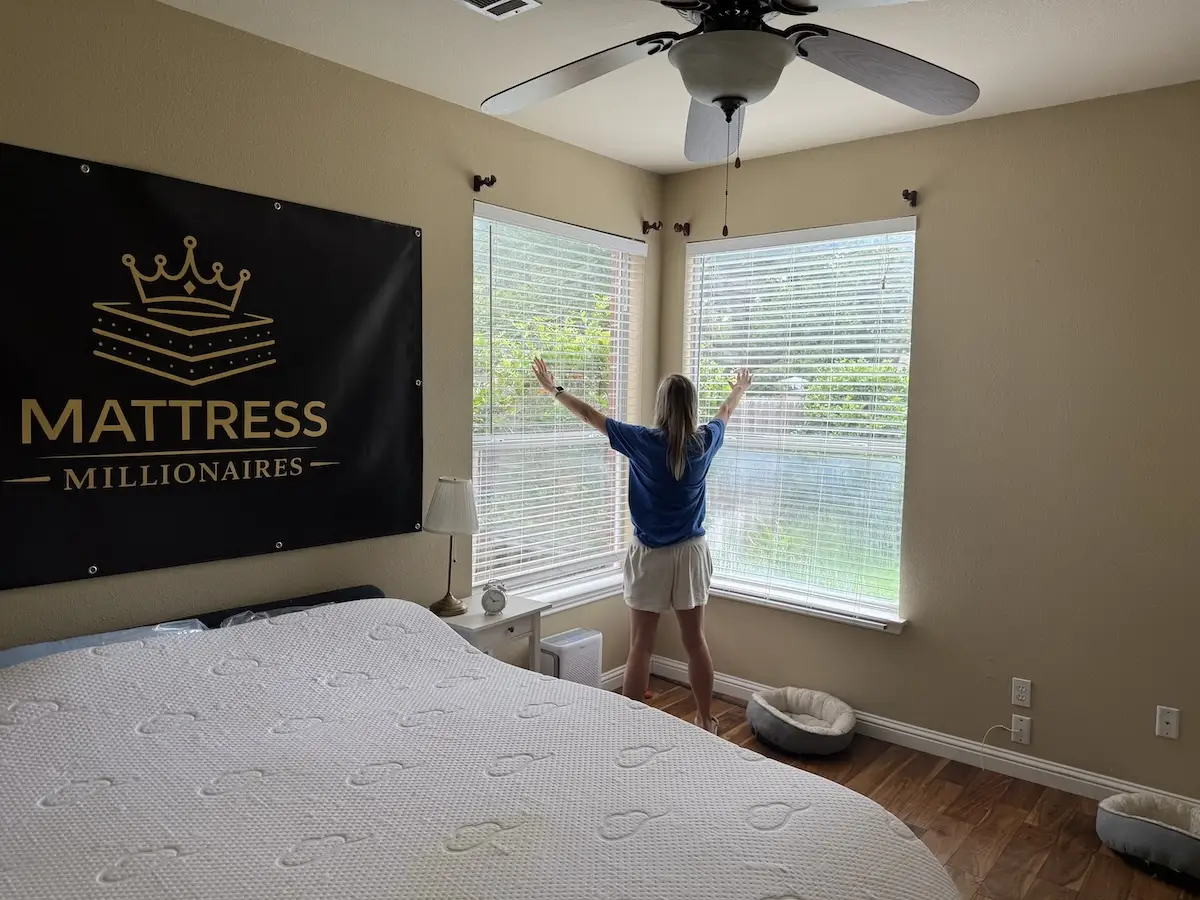
If your bedroom is bright, warm, and noisy, your body receives mixed signals. A better sleep environment removes those signals and makes it easier to sleep naturally.
Common Bedroom Temperature Mistakes
One common mistake is setting the thermostat based on daytime comfort instead of sleep comfort. Another is using the same bedding year-round. Many people also overlook mattress protectors, pajamas, and humidity.
Another mistake is assuming the room temperature is the same as bed temperature. You can have a cool room and still sleep hot if your mattress and bedding trap heat. Look at the entire sleep setup.
How to Fix a Room That Gets Hot at Night
If your room gets hot at night, block sunlight during the day, use fans to move air, keep doors open for circulation, and reduce heat-generating electronics. If your bedroom is upstairs, heat may collect there, so airflow is especially important.
You can also switch to breathable bedding, use a lighter comforter, and consider a cooling mattress pad. If humidity is high, a dehumidifier may help the room feel cooler without lowering the thermostat as much.
How to Fix a Room That Gets Cold at Night
If your room gets cold at night, check for drafts around windows and doors. Use layered bedding, warmer pajamas, socks, and heavier curtains. A rug can help if the floor is cold.
Try warming the bed before sleep rather than overheating the whole room. A hot water bottle, heated mattress pad used safely, or extra blanket at the foot of the bed can provide comfort without making the air too warm.
Best Bedding Materials for Hot Sleepers
Hot sleepers should focus on breathable, moisture-managing materials. Linen, cotton percale, bamboo-derived fabrics, and Tencel are popular choices. Lightweight quilts may feel better than thick comforters.
Avoid heavy, dense, synthetic bedding if it traps heat. Also pay attention to mattress protectors. Even breathable sheets may not help much if the layer underneath them blocks airflow.
Best Bedding Materials for Cold Sleepers
Cold sleepers may prefer flannel, brushed cotton, wool, down, or layered blankets. The goal is warmth without sweat. Wool can be useful because it insulates while also managing moisture.
Layering is especially helpful. Instead of one very heavy blanket, use multiple breathable layers that can be added or removed depending on the season.
How to Choose a Mattress for Better Temperature Control
When choosing a mattress for temperature control, look at materials and airflow. Hybrid and innerspring mattresses often allow more airflow than dense all-foam beds. Latex can be cooler than traditional memory foam. Breathable covers can also help.
Do not rely only on the word “cooling.” Many mattresses use cooling language, but the actual feel depends on the construction. Read reviews from hot sleepers and look for details about airflow, cover fabric, foam density, and comfort layers.
Cooling Mattress Marketing Terms to Understand
Many mattresses advertise gel foam, copper foam, graphite foam, phase-change covers, breathable foam, or cooling technology. These features may help, but they are not magic.
Gel and graphite may help draw heat away temporarily. Phase-change materials may help regulate surface temperature. Breathable coils may improve airflow. But if the mattress still traps your body heat, you may sleep warm. Focus on real-world comfort, not just marketing terms.
How Your Sleep Position Affects Temperature
Sleep position can affect how hot you feel. Side sleepers may have more body surface pressed into the mattress, which can trap heat. Back sleepers may feel more airflow around the body. Stomach sleepers may feel heat around the chest and face depending on pillow and bedding.
Your position also affects pressure relief and comfort. If you change position frequently because of heat, your sleep may become more restless. Breathable bedding and a cooler mattress can help.
Temperature Tips for Side Sleepers
Side sleepers often need pressure relief, but soft contouring materials can sometimes trap heat. If you are a hot side sleeper, look for a mattress that balances cushioning with airflow.
Breathable sheets, a cooling pillow, and a lighter comforter can also help. Side sleepers may benefit from a pillow between the knees, but choose one that does not add too much warmth.
Temperature Tips for Back Sleepers
Back sleepers may find it easier to stay temperature-neutral because more of the body is exposed to air. However, heavy comforters or heat-trapping mattresses can still cause overheating.
A medium-weight blanket, breathable sheets, and a supportive pillow can help back sleepers maintain comfort without excessive heat.
Temperature Tips for Stomach Sleepers
Stomach sleepers may feel warm if their chest, stomach, and face are pressed into bedding. A breathable pillow and lighter top layers can help. Stomach sleepers should also avoid pillows that trap heat around the face.
Because stomach sleeping can strain the neck and back for some people, mattress support and pillow height also matter.
How Weight Affects Sleep Temperature
Body size can affect how warm or cool a person feels in bed. People with more body mass may sink deeper into a mattress, which can increase contact and heat retention. Lighter sleepers may feel colder or may not sink enough to activate some mattress comfort layers.
This is one reason mattress temperature reviews vary. The same mattress can feel cool to one person and warm to another. Personal testing and adjustable bedding matter.
How Health Conditions Affect Sleep Temperature
Health conditions can influence sleep temperature. Hormonal changes, thyroid issues, infections, anxiety, diabetes, sleep apnea, medications, and other factors may contribute to feeling too hot or too cold at night.
If temperature problems are sudden, severe, or persistent, do not assume the mattress or thermostat is the only cause. Environmental changes help, but medical guidance may be needed.
When Night Sweats Need Medical Attention
Occasional sweating from a warm room or heavy blanket is common. But frequent, intense, unexplained night sweats should be discussed with a healthcare professional, especially if they come with fever, weight loss, pain, fatigue, or other symptoms.
Sleep environment changes are a good first step, but persistent night sweats can have causes that require medical evaluation.
How to Create a Sleep Temperature Routine
A sleep temperature routine helps your body wind down. About an hour before bed, lower the thermostat, dim the lights, switch to lighter activity, and prepare your bedding. If you shower at night, choose a warm shower earlier in the wind-down period.
Keep the routine simple. The more automatic it becomes, the easier it is to repeat. Over time, your body begins associating these steps with sleep.
Sample Summer Sleep Temperature Routine
In summer, close blinds during the day to block heat. In the evening, lower the thermostat if you have air conditioning or open windows if the outdoor air is cooler. Use a fan to circulate air. Switch to breathable sheets and lightweight pajamas.
Before bed, avoid heavy meals, alcohol, and intense workouts that may increase nighttime warmth. Keep water nearby and use bedding that can be easily adjusted.
Sample Winter Sleep Temperature Routine
In winter, keep the bedroom cool but not freezing. Warm the bed with layered blankets, flannel sheets, or safe preheating methods. Wear socks if your feet get cold.
Avoid overheating the room. Instead, warm your body while allowing the air to stay cool enough for sleep. If the air is dry, consider a humidifier to reduce irritation.
How Smart Thermostats Can Help Sleep
Smart thermostats can help by automatically adjusting bedroom temperature on a schedule. You can set the room to cool before bed, stay stable during the night, and warm slightly before morning if needed.
This can be especially helpful if you forget to adjust the thermostat or if your home changes temperature overnight. Automation makes consistency easier.
Should You Use a Fan Every Night?
A fan can help many people sleep better by improving airflow, reducing stuffiness, and creating white noise. It is especially useful for hot sleepers or warm rooms.
However, fans can dry out the throat, eyes, or skin for some people. If that happens, aim the fan away from your face, clean it regularly, or use a lower setting.
Ceiling Fan Direction for Sleep
Ceiling fan direction can affect comfort. In warm months, many fans are set to push air downward for a cooling breeze. In colder months, some people reverse the fan direction to circulate warm air without creating a strong draft.
Check your fan’s settings and experiment. The goal is gentle air movement, not an uncomfortable wind tunnel.
Should You Open a Window at Night?
Opening a window can help if outdoor air is cool, clean, and quiet. Fresh air and natural cooling may improve comfort. However, open windows can also bring noise, allergens, humidity, pollution, or safety concerns.
If opening a window helps, use it strategically. If it disrupts sleep, use a fan, air purifier, or HVAC system instead.
How Allergies Affect Temperature Comfort
Allergies can make sleep feel hotter or more uncomfortable because congestion, inflammation, and mouth breathing can disrupt rest. Fans, open windows, and dusty bedding may worsen allergies for some people.
Wash bedding regularly, use allergen covers if needed, keep humidity moderate, and consider an air purifier. Better breathing can improve sleep comfort even if the thermostat stays the same.
How Air Quality Affects Sleep Comfort
Air quality can influence how comfortable your bedroom feels. Stale, dusty, smoky, or polluted air may irritate breathing and lead to awakenings. Good airflow, clean bedding, regular vacuuming, and air filtration may help.
Temperature is important, but it works best alongside clean, breathable air.
Bedroom Temperature Checklist
Use this checklist to improve your sleep temperature:
- Set your bedroom between 60 and 67 degrees Fahrenheit as a starting point.
- Adjust by one or two degrees based on comfort.
- Use breathable sheets.
- Choose seasonal blankets.
- Check whether your mattress traps heat.
- Use a breathable mattress protector.
- Keep humidity comfortable.
- Improve airflow with a fan or ventilation.
- Wear pajamas suited to the season.
- Keep the room dark and quiet.
Frequently Asked Questions About Bedroom Temperature and Sleep
Is 70 degrees too hot for sleep?
For some people, 70 degrees is too hot for ideal sleep. Many adults sleep better in a cooler range, often around 60 to 67 degrees. However, comfort varies. If you sleep well at 70 degrees and do not wake sweaty or restless, it may work for you. If you struggle with overheating, try lowering the temperature gradually.
Is 60 degrees too cold for sleep?
For some people, 60 degrees feels perfect. For others, it feels too cold. If you wake up shivering, tense, or uncomfortable, raise the temperature slightly or add breathable layers. A cool room should still feel comfortable under your bedding.
Why do I sleep better in a cold room?
You may sleep better in a cold room because it helps your body lower its core temperature. This cooling process supports sleep onset and may reduce nighttime awakenings. A cold room also helps prevent overheating under blankets.
Why do I wake up hot every night?
You may wake up hot because your room is too warm, your mattress traps heat, your bedding is too heavy, or your pajamas are not breathable. Alcohol, late meals, stress, hormones, and medications can also contribute. Start by adjusting your sleep environment, then consider other causes if the problem continues.
Why do I wake up cold every morning?
You may wake up cold because your room temperature drops overnight, your bedding is not warm enough, or you sweat earlier and then become chilled. Try layering blankets, wearing socks, sealing drafts, or adjusting your thermostat schedule.
Is it better to sleep with more blankets in a colder room?
Many people sleep well with a cool room and comfortable blankets. This allows the air to support the body’s cooling process while bedding keeps the skin comfortable. The key is avoiding both sweating and shivering.
Does a cooler room help you fall asleep faster?
A cooler room may help you fall asleep faster because it supports the natural drop in body temperature that occurs before sleep. If the room is too warm, your body may stay more alert and restless.
Can temperature affect dreams?
Temperature may affect dreams indirectly by disrupting REM sleep. If you are too hot or too cold, you may wake more often during dream-heavy parts of the night. This can make dreams feel more vivid or fragmented.
Should kids sleep in the same temperature range as adults?
Children often sleep well in a comfortable, cool room, but their needs may vary by age, pajamas, bedding, and health. The room should not be overly hot or cold. For babies, follow pediatric safe sleep guidance and avoid overheating.
What temperature should the bedroom be for hot sleepers?
Hot sleepers may prefer the lower end of the common sleep range, such as 60 to 65 degrees. Bedding and mattress materials matter just as much as the thermostat. A hot sleeper in a cool room may still overheat on a heat-trapping mattress.
What temperature should the bedroom be for cold sleepers?
Cold sleepers may prefer a slightly warmer room or warmer bedding. A setting around 66 to 69 degrees may feel better for some cold sleepers, but it depends on comfort. Layering is often better than making the room very warm.
Does sleeping cold burn more calories?
A cooler room may slightly increase the body’s effort to maintain temperature, but it should not be treated as a weight-loss strategy. The main reason to sleep in a cool room is better sleep quality, not calorie burning.
Can a cool bedroom help insomnia?
A cool bedroom may help if overheating is contributing to insomnia. However, insomnia can have many causes, including stress, anxiety, irregular schedules, caffeine, pain, or sleep disorders. Temperature control is one helpful piece of a larger sleep strategy.
What is the best temperature for sleeping with a weighted blanket?
If you use a weighted blanket, you may need a cooler room or lighter clothing because weighted blankets can trap heat. Choose a breathable weighted blanket if you sleep hot. If you wake sweaty, the blanket may be too warm for your setup.
Does the best sleep temperature change with age?
Yes, temperature needs can change with age. Older adults may feel colder more easily, while hormonal changes can cause night sweats for some people. The best temperature is the one that keeps sleep comfortable and stable.
Should I change bedroom temperature during the night?
Some people benefit from a slight temperature change during the night. For example, a cooler room at bedtime and a slightly warmer room before waking may feel comfortable. Avoid large changes that wake you up.
Can an air purifier help bedroom temperature?
An air purifier does not usually cool the room much, but it can improve air quality and airflow. Cleaner air may reduce congestion and improve comfort, especially for allergy sufferers.
Does humidity make a room feel hotter?
Yes, humidity can make a room feel hotter because sweat evaporates less efficiently. If your bedroom feels sticky, reducing humidity may improve comfort even without lowering the thermostat.
Should I use a dehumidifier in the bedroom?
A dehumidifier can help if your bedroom feels damp, sticky, or humid. Lower humidity can make the room feel cooler and reduce moisture problems. Keep humidity at a comfortable level rather than making the air overly dry.
Should I use a humidifier in the bedroom?
A humidifier can help if your bedroom air is very dry. Dry air may irritate your throat, nose, or skin. Use a humidifier carefully, clean it regularly, and avoid excessive humidity.
Can the wrong comforter ruin sleep?
Yes, the wrong comforter can make you too hot or too cold. A heavy comforter may feel cozy at first but cause overheating later. A lightweight comforter may not provide enough warmth in winter. Choose bedding by season and personal temperature needs.
What is the best comforter for hot sleepers?
Hot sleepers usually do best with lightweight, breathable comforters. Cotton, linen, bamboo-derived fabrics, and some cooling comforters may help. Avoid overly thick, dense, or heat-trapping materials.
What is the best comforter for cold sleepers?
Cold sleepers may prefer down, wool, flannel, or heavier cotton comforters. Layering can be better than one very heavy blanket because it allows easier adjustment during the night.
Can sheets really make you sleep cooler?
Yes, sheets can make a noticeable difference. Breathable sheets allow heat and moisture to escape. Dense or synthetic sheets may trap heat. If you sleep hot, sheets are one of the easiest upgrades to try.
Is cotton good for hot sleepers?
Cotton can be good for hot sleepers, especially cotton percale. Percale has a crisp, breathable feel. Cotton sateen may feel smoother but can sleep warmer for some people because of its weave.
Is linen good for hot sleepers?
Linen is often excellent for hot sleepers because it is breathable, airy, and moisture-managing. It can feel textured at first but often softens over time. Linen is especially popular in warm climates.
Is bamboo bedding good for hot sleepers?
Bamboo-derived bedding can feel soft, smooth, and cool to the touch. Many hot sleepers like it, though quality varies by brand and fabric type. Look for breathable construction and avoid overly heavy weaves.
Is flannel bad for hot sleepers?
Flannel is usually too warm for hot sleepers, especially in summer. It is better suited for cold sleepers or winter use. If you wake up sweaty, switch to lighter sheets.
Can a mattress topper make you hotter?
Yes, a mattress topper can make you hotter if it is made from dense foam or reduces airflow. Some toppers are designed for cooling, but others trap heat. If you added a topper and started waking hot, it may be the cause.
Can a mattress foundation affect temperature?
A mattress foundation can affect airflow. Slatted bases may allow more air circulation than solid platforms. If a mattress sits directly on the floor, airflow may be reduced, and moisture can build up.
How do I know if my mattress sleeps hot?
Your mattress may sleep hot if you wake up warm even in a cool room, feel heat under your body, or sleep better on other beds. If changing sheets and blankets does not help, the mattress may be trapping heat.
Is a firm mattress cooler than a soft mattress?
A firm mattress may sleep slightly cooler for some people because you sink in less, leaving more airflow around the body. A soft mattress may hug the body more and trap heat. However, materials matter more than firmness alone.
Does mattress size affect sleep temperature?
Mattress size can affect temperature if you share a bed. A smaller bed may trap more shared body heat and reduce airflow between partners. A larger mattress can give each person more space and may feel cooler.
Can sharing a bed make you sleep hotter?
Yes, sharing a bed can make you sleep hotter because two bodies produce more heat. Separate blankets, a larger mattress, cooler room temperature, and breathable bedding can help.
Why does my partner sleep hot?
Your partner may sleep hot because of body size, metabolism, hormones, bedding, alcohol, stress, medications, or mattress materials. Hot sleeping is common and does not always mean something is wrong.
How do couples solve different temperature preferences?
Couples can solve temperature differences with separate blankets, different pajamas, dual-zone bedding, a fan on one side, or an extra blanket for the colder partner. Personalized layers are often easier than agreeing on one perfect thermostat setting.
Can pets make the bed hotter?
Yes, pets can add body heat and reduce airflow in the bed. If you wake up hot and your pet sleeps against you, consider giving them a separate blanket or bed nearby.
Can bedroom temperature affect snoring?
Temperature itself may not directly cause snoring, but dry air, congestion, allergies, and poor air quality can worsen breathing. A comfortable humidity level and clean air may help some people breathe better at night.
Can overheating cause nightmares?
Overheating may increase awakenings and make dreams feel more intense or memorable. It may not directly cause nightmares, but disrupted sleep can affect dream recall and emotional sleep experiences.
Should the bedroom door be open or closed for temperature?
An open door may improve airflow and help temperature balance with the rest of the house. A closed door may keep cool air in if you use a window unit or separate cooling system. Test both and choose the setup that keeps your room more stable.
Do blackout curtains help with temperature?
Yes, blackout curtains can help block sunlight and reduce heat buildup during the day. They also keep the room darker, which supports sleep. In winter, heavier curtains may help reduce drafts.
Can rugs help bedroom temperature?
Rugs can make a room feel warmer and more comfortable, especially if the floor is cold. They may also reduce noise. Rugs do not replace heating or cooling, but they can improve comfort.
Should I turn off electronics in the bedroom?
Turning off electronics can help because devices may produce heat, light, and noise. Chargers, computers, TVs, and gaming systems can subtly warm the room or disrupt sleep. A simpler bedroom is often better for rest.
How does light affect temperature comfort?
Bright light can make a room feel more alerting, even if the temperature is comfortable. Warm, dim lighting in the evening helps the bedroom feel calmer. Some light bulbs also generate heat, though modern LEDs usually produce less heat than older bulbs.
What is the best overall sleep environment?
The best overall sleep environment is cool, dark, quiet, breathable, and comfortable. Temperature is one part of the system. Your mattress, bedding, lighting, noise, air quality, and routine all work together.
Final Thoughts on Bedroom Temperature for Better Sleep
Bedroom temperature is one of the simplest sleep factors to improve. You do not need a complicated system to start. Set your room slightly cooler, use breathable bedding, improve airflow, and pay attention to how your body responds.

For many adults, the best sleep temperature is around 60 to 67 degrees Fahrenheit, but your personal ideal may be slightly different. The right temperature should help you fall asleep comfortably, stay asleep through the night, and wake up feeling more refreshed.
If you are waking up hot, cold, sweaty, restless, or uncomfortable, do not ignore your sleep environment. Your bedroom may be sending your body the wrong temperature signals. A few small changes to your thermostat, mattress, sheets, blankets, and airflow can make a major difference in how well you sleep.
Ready To Sleep Better?
Take our quiz to find the mattress that fits your sleep style and budget.
"I found my perfect mattress in 60 seconds." - Sarah H., side sleeper
✅ Super fun! 🥳
⭐ Trusted by 10,000+ sleepers 😴
🛏 Personalized mattress match 💤