

Insomnia can make sleep feel like a nightly negotiation. You may feel exhausted, climb into bed hoping this will finally be the night you drift off easily, and then find yourself staring at the ceiling while your mind refuses to slow down. For many people, insomnia is not just about being awake. It is about the frustration, worry, and physical tension that build around the act of trying to sleep.
That is one reason weighted blankets have become so popular. They offer a simple, non-drug option that feels intuitive: a heavier blanket that applies gentle pressure across the body, creating a sense of calm, security, and physical comfort. The idea is appealing, especially for people who want something more natural than sleep medication or another screen-based sleep gadget.
But do weighted blankets really work for insomnia? The most honest answer is: they may help some people sleep better, especially when insomnia is connected to stress, anxiety, restlessness, or sensory discomfort. However, they are not a guaranteed cure, and they are unlikely to solve insomnia on their own if the underlying cause is medical, psychological, environmental, or behavioral.
This article breaks down what weighted blankets can and cannot do, why they may help certain sleepers, what the research suggests, who should be cautious, and how to decide whether one belongs in your sleep routine.
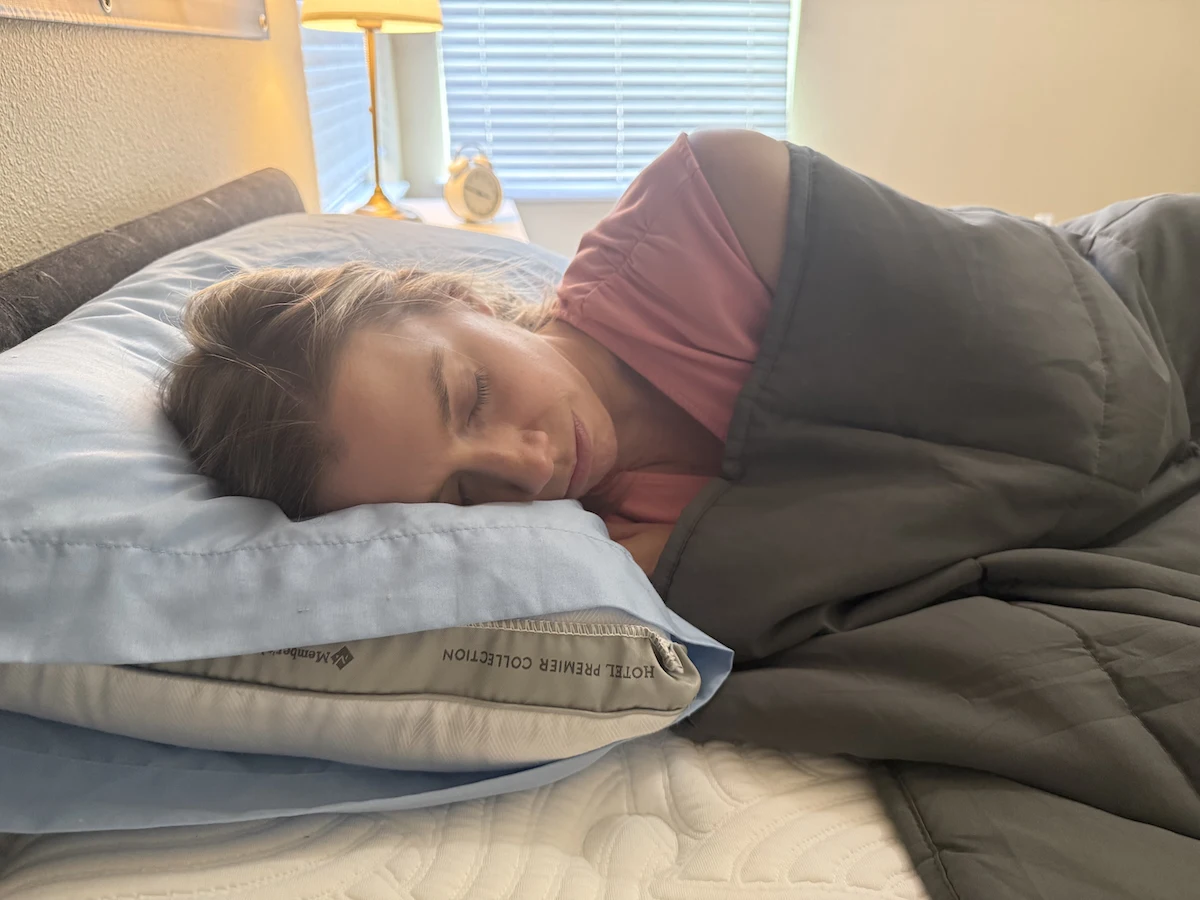
Key Takeaways
- Weighted blankets may help some people with insomnia by supporting relaxation and reducing restlessness.
- They are most likely to help when sleeplessness is connected to stress, anxiety, or sensory discomfort.
- They are not a cure for chronic insomnia and should not replace medical care or evidence-based insomnia treatment.
- The right weight, fabric, breathability, and comfort level matter.
- If a weighted blanket feels hot, restrictive, or stressful, it may not be the right sleep tool for you.
What Is Insomnia?
Insomnia is more than having one bad night of sleep. Many people experience occasional sleeplessness before a stressful event, during travel, or after a disruption in routine. Insomnia becomes more serious when difficulty falling asleep, staying asleep, or waking too early happens repeatedly and starts affecting daytime energy, mood, concentration, or quality of life.
Some people have sleep-onset insomnia, which means they struggle to fall asleep at the beginning of the night. Others have sleep-maintenance insomnia, where they fall asleep but wake repeatedly or have trouble returning to sleep after waking. Some people experience both. The experience can be physically draining and mentally exhausting.
Insomnia often has multiple contributing factors. Stress, anxiety, depression, chronic pain, hormonal changes, caffeine, alcohol, medications, irregular schedules, screen exposure, noise, light, room temperature, and poor sleep habits can all play a role. Because the causes vary so much, no single product works for everyone.
This matters when evaluating weighted blankets. A weighted blanket may support relaxation, but it does not directly fix every possible cause of insomnia. It is best understood as a comfort tool that may help create better conditions for sleep.
Read More: Can You Sleep With a Weighted Blanket Every Night? | Can a Weighted Blanket Cause Overheating? | How Weighted Blankets Work Scientifically | How to Wash a Weighted Blanket | Sleep Statistics and Facts
What Is a Weighted Blanket?
A weighted blanket is a blanket designed to be heavier than a regular comforter or throw. Most are filled with glass beads, plastic pellets, or other weighted materials distributed throughout stitched pockets. The goal is to create even pressure across the body while still feeling soft and usable as bedding.
Many weighted blankets are marketed around the concept of deep pressure stimulation, sometimes called deep touch pressure. This refers to gentle, distributed pressure on the body. People often compare the sensation to being hugged, held, or tucked in firmly. For some sleepers, that pressure feels grounding and relaxing.
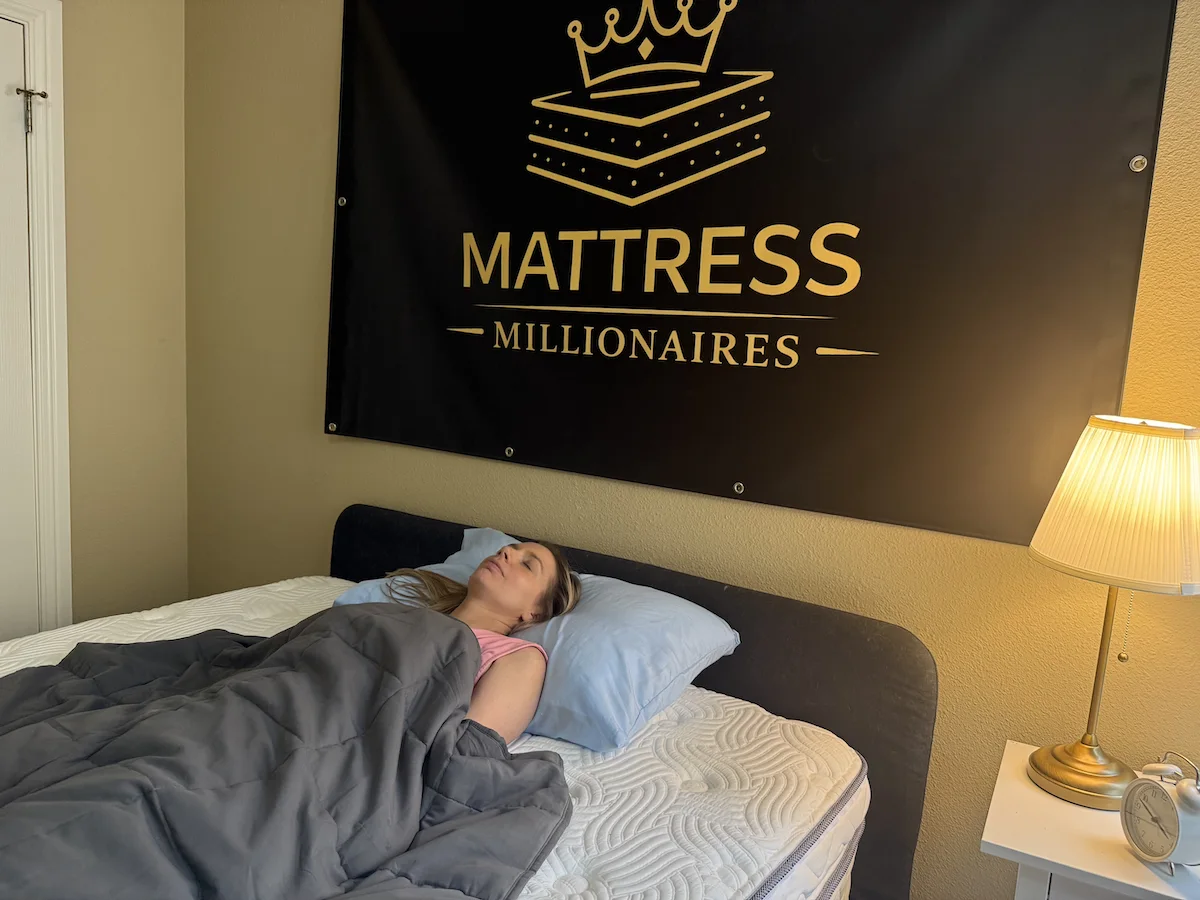
Weighted blankets come in different sizes, weights, fabrics, and constructions. Some are made for beds, while others are smaller throws meant for couches or personal use. Some are warm and plush; others use cotton, bamboo, or cooling covers for hot sleepers.
The right weighted blanket is not simply the heaviest one. Comfort, breathability, ease of cleaning, size, and personal preference all matter.
How Weighted Blankets Might Help With Insomnia
Weighted blankets are not sedatives. They do not force the body to sleep. Instead, they may help by making the body feel calmer and more settled before bed. For people whose insomnia is linked to physical restlessness or nighttime anxiety, that calming effect can be meaningful.
The gentle pressure of a weighted blanket may help reduce the feeling of being physically unsettled. Some people describe it as a signal to stop moving, relax their muscles, and settle into bed. This can be especially helpful for people who toss and turn while trying to fall asleep.
Weighted blankets may also support the emotional side of sleep. Many insomnia sufferers become anxious about bedtime itself. The bed becomes associated with frustration rather than rest. A comforting blanket can help make the sleep environment feel safer, cozier, and less stressful.
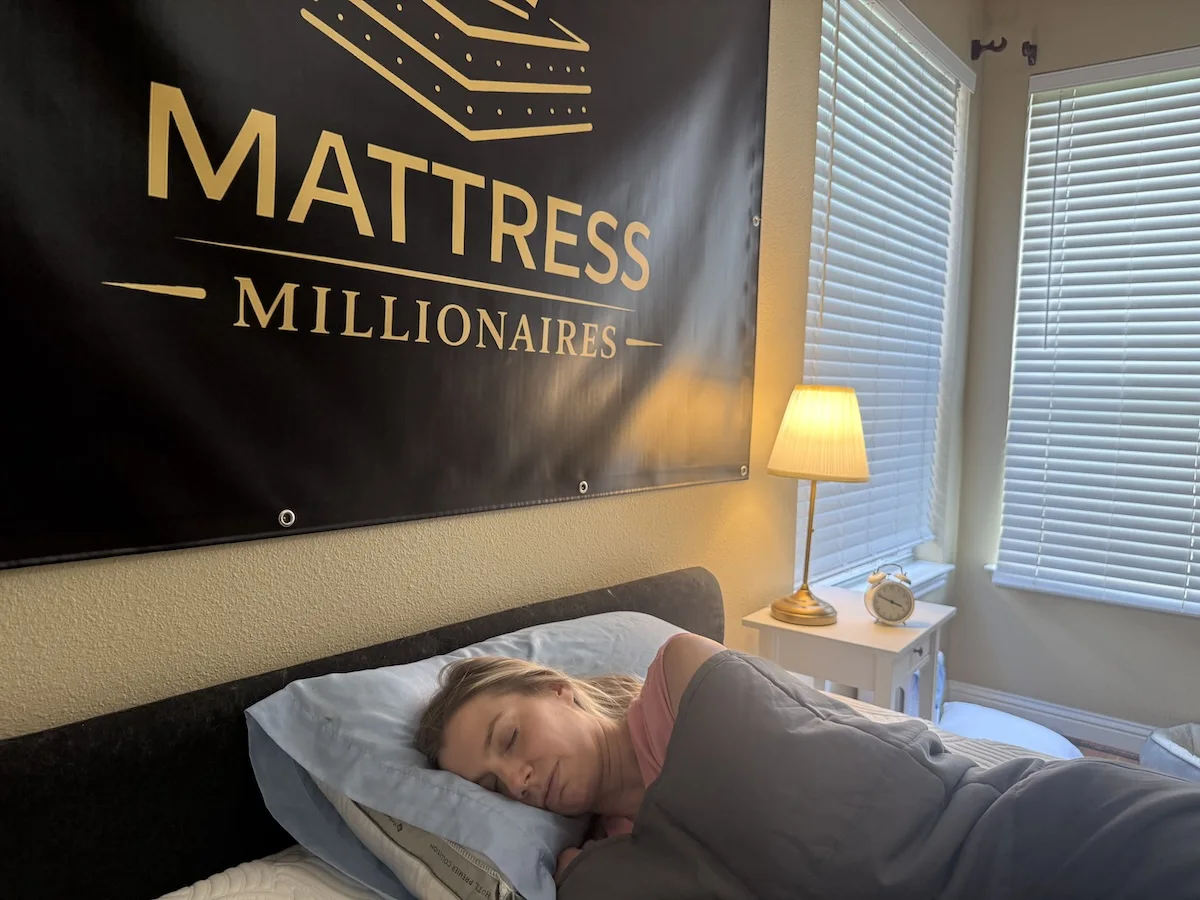
That said, the benefit is usually indirect. A weighted blanket may improve relaxation, and better relaxation may improve sleep. It is not the same as treating the root cause of chronic insomnia.
What the Research Suggests
The research on weighted blankets is promising in some areas but not definitive. Some studies and clinical observations suggest that weighted blankets may improve subjective sleep quality, reduce nighttime movement, or support relaxation in certain groups. Other research shows more modest results.
One important point is that sleep is both objective and subjective. A person may not dramatically change their total sleep time, but they may feel calmer, more comfortable, or more rested. That subjective improvement can still matter, especially for people who struggle with bedtime anxiety.
Weighted blankets have been studied in connection with anxiety, sensory processing differences, ADHD, autism, and psychiatric conditions. Some people in these groups report better sleep or improved calmness when using weighted blankets. However, results vary, and more high-quality research is needed before making broad claims.
For insomnia specifically, weighted blankets should be viewed as a supportive tool rather than a proven standalone treatment. They may help some people, but they should not replace medical advice, cognitive behavioral therapy for insomnia, or treatment for underlying health conditions.
Weighted Blankets and Anxiety-Related Insomnia
Anxiety and insomnia often reinforce each other. Anxiety can make it harder to fall asleep, and poor sleep can make anxiety worse the next day. Over time, this cycle can become difficult to break.
Weighted blankets may be most useful for people whose insomnia is connected to anxiety, racing thoughts, or a feeling of being physically on edge. The pressure can provide a steady sensory input that draws attention back to the body. For some people, this makes it easier to stop spiraling through thoughts and settle into a more relaxed state.
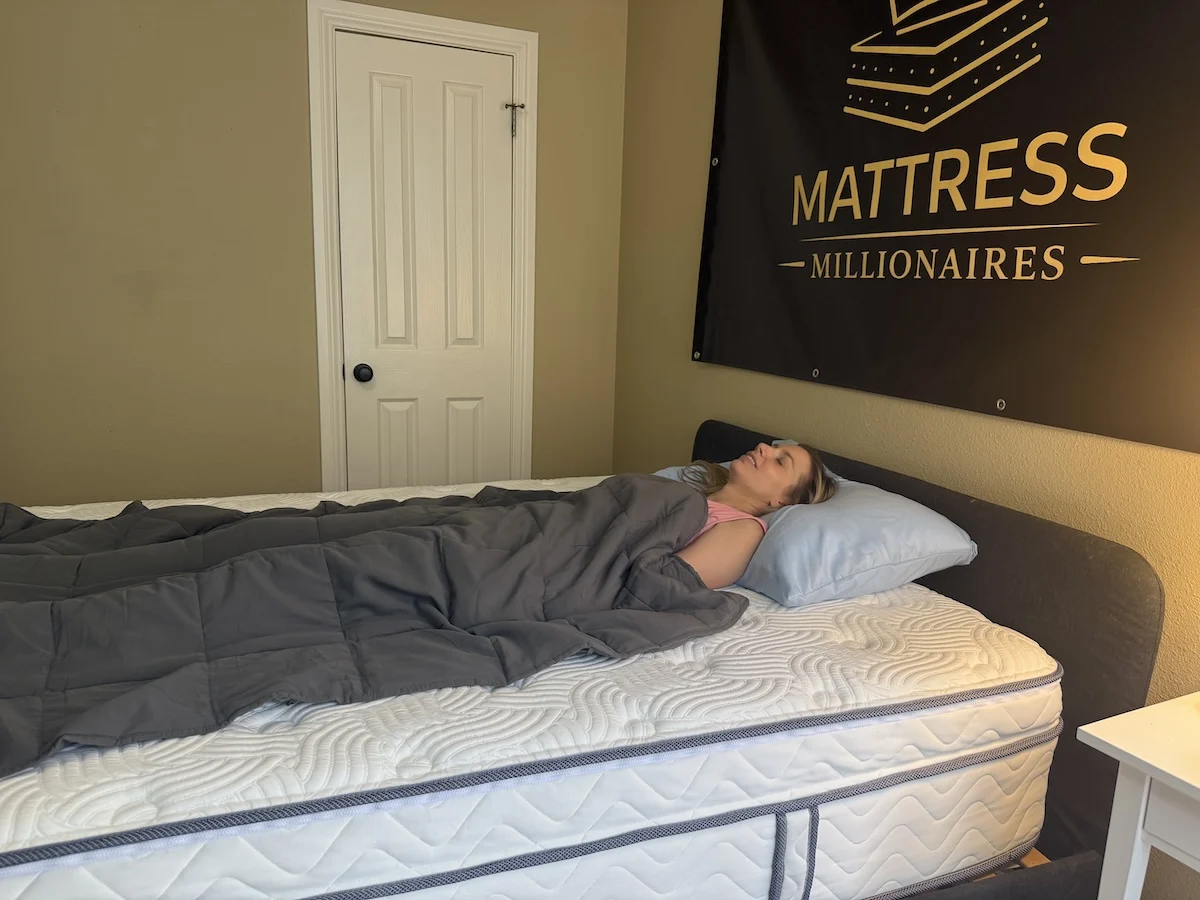
The effect is not universal. Some people feel comforted by pressure, while others feel trapped, hot, or overstimulated. This is why personal preference is so important. A weighted blanket should feel calming, not restrictive.
If anxiety is severe, persistent, or interfering with daily life, a blanket is not enough. It may be one helpful part of a larger plan that includes therapy, stress management, medical care, and consistent sleep routines.
Can Weighted Blankets Help You Fall Asleep Faster?
Some users report that weighted blankets help them fall asleep faster. This may happen because the blanket reduces tossing and turning, creates a sense of security, or becomes part of a consistent bedtime cue.
Sleep often improves when the brain recognizes repeated signals that bedtime has begun. Dimming lights, turning off screens, reading quietly, and getting under the same calming blanket each night can all become part of a sleep routine. Over time, that routine may help the body transition into rest more easily.
However, if you are lying awake because of caffeine, pain, untreated sleep apnea, major stress, irregular sleep timing, or a loud environment, a weighted blanket may not solve the problem. It can make the bed feel more comfortable, but it cannot override every obstacle to sleep.
The best way to evaluate whether it helps you fall asleep faster is to test it consistently for several nights while keeping the rest of your routine stable.
Can Weighted Blankets Help You Stay Asleep?
Some people wake frequently because they shift positions, feel unsettled, or become aware of small disturbances. A weighted blanket may help reduce movement and create a more stable sleep environment.
For sleepers who wake due to anxiety or restlessness, the pressure may make it easier to return to sleep. Instead of fully waking and becoming mentally active, the body may remain more grounded and relaxed.
Still, frequent awakenings can have many causes. Noise, light, room temperature, alcohol, medications, chronic pain, nightmares, sleep apnea, restless legs syndrome, and hormonal changes can all disrupt sleep. A weighted blanket may help with comfort, but it will not address all of these issues.
If you wake often gasping, choking, feeling chest discomfort, or experiencing severe daytime sleepiness, it is important to talk with a healthcare professional rather than relying on a blanket.
Weighted Blankets vs. Sleep Medication
Weighted blankets and sleep medications are very different tools. Sleep medications are designed to affect the body chemically. Weighted blankets affect the sleep experience through physical comfort and sensory input.
Many people are interested in weighted blankets because they want a non-pharmaceutical option. That is understandable, especially for people who want to avoid side effects or who are looking for a gentle addition to their routine.
But it is important not to frame weighted blankets as a direct replacement for prescribed treatment. If a doctor has recommended medication or another therapy, a blanket should not be used as a substitute without medical guidance.
A better comparison is to think of weighted blankets as part of sleep hygiene. Like blackout curtains, a supportive pillow, a cooler room, or a calming bedtime routine, they may help create better sleep conditions.
Weighted Blankets and Sleep Hygiene
Sleep hygiene refers to habits and environmental choices that support healthy sleep. A weighted blanket can fit into sleep hygiene, but it should not be the only step.
Strong sleep hygiene usually includes a consistent wake time, reduced evening caffeine, limited alcohol close to bedtime, less screen exposure before bed, a dark and cool bedroom, and a wind-down routine that helps the nervous system relax.
Adding a weighted blanket to poor sleep habits may provide some comfort, but it may not produce dramatic results. For example, using a weighted blanket while scrolling on your phone in bed may not help as much as pairing the blanket with a screen-free routine.
The strongest results often come from stacking small improvements. A weighted blanket may work better when combined with darkness, quiet, comfortable temperature, and a predictable bedtime ritual.
Potential Benefits of Weighted Blankets for Insomnia
Weighted blankets may offer several potential benefits for people with insomnia. The most common is improved relaxation. Many users simply feel calmer when they are under steady pressure.
They may also reduce tossing and turning for some sleepers. The added weight can make movement feel less automatic, encouraging the body to settle. This can be helpful for people who feel physically restless at night.
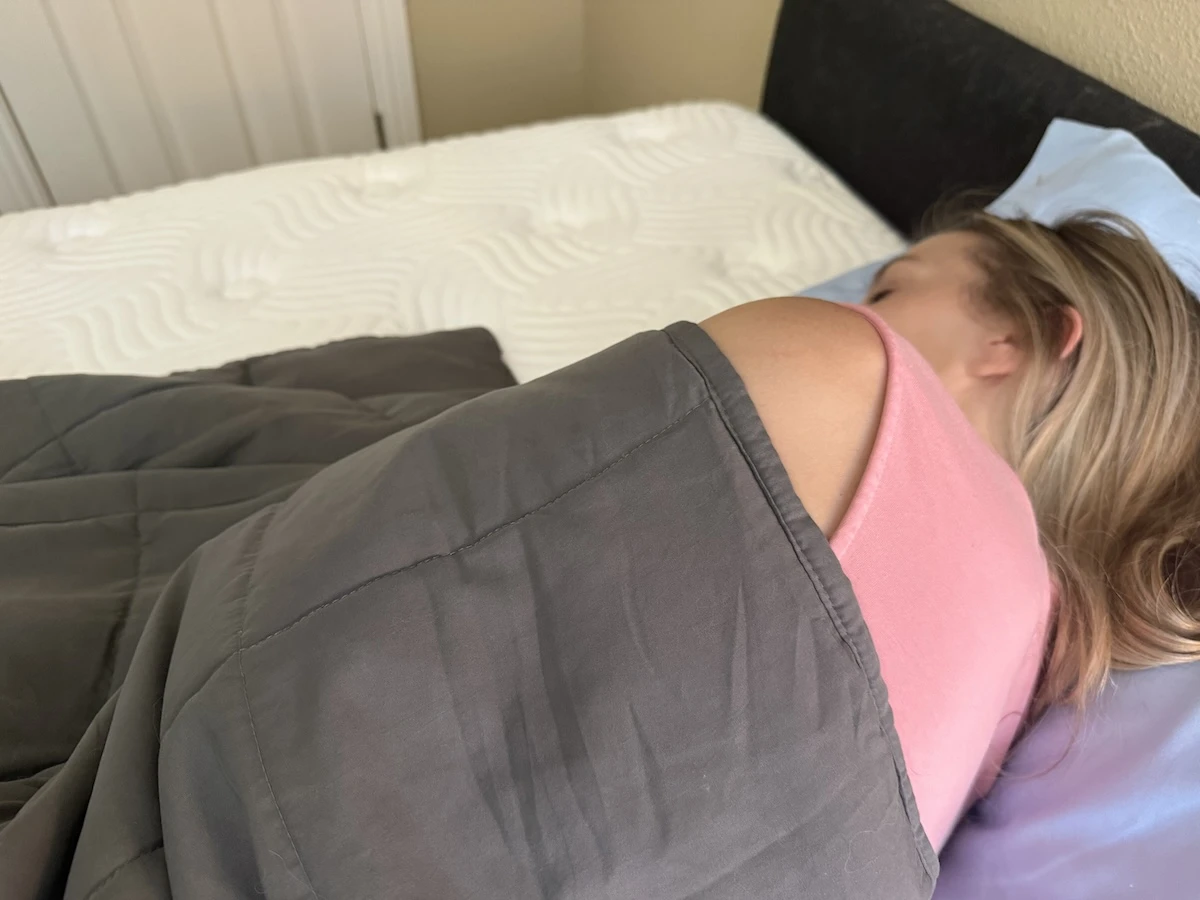
Another potential benefit is emotional comfort. Insomnia often makes people feel alone, frustrated, or tense. A weighted blanket can create a cocoon-like sensation that feels reassuring.
Weighted blankets may also make bedtime more appealing. When the sleep environment feels cozy and supportive, people may be more likely to maintain a consistent routine instead of delaying bedtime.
Potential Downsides of Weighted Blankets
Weighted blankets are not perfect for everyone. Some people find them too hot, especially if they already sleep warm or live in a hot climate. Choosing a cooling fabric may help, but not every blanket is breathable.
Others feel restricted by the weight. What feels comforting to one person may feel claustrophobic to another. If pressure makes you feel anxious or trapped, a weighted blanket may not be the right sleep tool.
Cleaning can also be a drawback. Some weighted blankets are machine washable, but others require spot cleaning, duvet covers, or commercial machines. A heavy blanket can be difficult to wash and dry.
Cost is another consideration. High-quality weighted blankets can be expensive. Before buying, it is worth checking return policies, weight recommendations, and whether the blanket is appropriate for your sleep style.
Who Should Be Careful With Weighted Blankets?
Weighted blankets are generally safe for many adults, but they are not appropriate for everyone. People with certain medical conditions should speak with a healthcare professional before using one.
Anyone with breathing problems, circulation issues, mobility limitations, severe claustrophobia, or conditions that make it difficult to move under weight should be cautious. A weighted blanket should never prevent someone from changing position or getting out of bed easily.
Extra caution is also needed with children. Weighted blankets should not be used for babies or very young children, and any use with children should follow pediatric guidance and safety recommendations. The child must be able to remove the blanket independently.
Older adults or people with limited strength should choose carefully. A blanket that is too heavy can become uncomfortable or unsafe.
How Heavy Should a Weighted Blanket Be?
A common guideline is to choose a weighted blanket that is around 10 percent of your body weight. For example, a person who weighs 150 pounds might consider a 15-pound blanket. This is only a starting point, not a strict rule.
Some people prefer slightly lighter blankets, especially if they are new to weighted bedding, sleep hot, or feel uncomfortable under pressure. Others may prefer a little more weight, but heavier is not always better.
The blanket should feel soothing and manageable. You should be able to shift positions and remove it without effort. If you feel pinned down, overheated, or tense, the blanket is probably too heavy or not the right fit.
When in doubt, choose the lighter option. Comfort matters more than hitting an exact formula.
Choosing the Right Fabric
Fabric has a major impact on whether a weighted blanket helps or hurts sleep. A blanket that feels calming in winter may feel unbearable in summer if it traps too much heat.
Hot sleepers may prefer cotton, bamboo-derived fabrics, Tencel, or other breathable covers. People who like warmth may prefer fleece, minky, sherpa, or plush materials.
The outer cover matters because it touches your skin and influences temperature. The inner construction matters because it affects weight distribution. A well-made weighted blanket should not bunch unevenly or leave heavy pockets in one area.
If insomnia is already worsened by overheating, breathability should be one of your top priorities.
Weighted Blankets for Hot Sleepers
Hot sleepers should be selective. A weighted blanket can feel relaxing at first but become uncomfortable if it traps heat during the night.
Cooling weighted blankets are usually made with breathable covers and smaller glass beads, which tend to retain less heat than bulkier fills. Some also use moisture-wicking fabrics.
Layering matters too. If you use a weighted blanket, you may not need a heavy comforter on top. In warmer months, a weighted blanket with a light sheet may be enough.
Temperature is one of the most important parts of sleep quality. If a weighted blanket makes you sweat or wake up hot, it is probably working against your insomnia rather than helping it.
Weighted Blankets for Restless Sleepers
Restless sleepers may benefit from weighted blankets because the pressure can encourage stillness. Some people find that they toss and turn less when the blanket creates a steady sense of contact.
This can be especially useful for people who feel physically unsettled at bedtime. The blanket may act as a grounding cue, helping the body recognize that it is time to rest.
However, restlessness can also be caused by medical issues, medications, pain, anxiety, restless legs syndrome, or poor sleep timing. If restlessness is severe or persistent, it is worth looking deeper.
A weighted blanket can support comfort, but it should not be used to ignore symptoms that need medical attention.
The Placebo Effect and Weighted Blankets
The placebo effect is often discussed negatively, but in sleep it can be more complicated. If a person believes a bedtime tool helps them relax, that belief may reduce anxiety and make sleep easier.
This does not mean the experience is fake. Sleep is deeply connected to expectation, safety, and routine. If a weighted blanket helps someone feel calmer, the effect can still be useful even if part of the benefit comes from expectation.
That said, marketing claims should still be realistic. Weighted blankets should not be presented as a guaranteed cure for insomnia, anxiety, or any medical condition.
The best approach is balanced: weighted blankets may help some people relax, but results vary.
What to Expect the First Week
The first few nights with a weighted blanket can feel different. Some people love the sensation immediately. Others need time to adjust.
Start by using the blanket for short periods before committing to a full night. You might try it while reading in bed or relaxing on the couch. This helps you decide whether the pressure feels calming or uncomfortable.
If you feel too warm, try using fewer layers or switching to a breathable cover. If you feel restricted, the blanket may be too heavy or too large.
Give yourself a few nights to evaluate the experience, but do not force it. A sleep product should make bedtime easier, not more stressful.
How to Use a Weighted Blanket for Insomnia
Use the weighted blanket as part of a full wind-down routine. About 30 to 60 minutes before bed, dim the lights, reduce screen exposure, and do something calming. Then get under the blanket when you are ready to transition toward sleep.
Try to keep the rest of your sleep environment consistent while testing it. If you change too many variables at once, it becomes harder to know whether the blanket is helping.
Pay attention to how you feel in the morning. Did you fall asleep faster? Wake less often? Do you feel calmer in bed, or maybe you feel too hot? Or do you feel restricted? These observations matter more than marketing claims.
If the blanket helps you relax but does not fully fix your insomnia, that is still useful information. It may be one supportive piece of a broader sleep plan.
When a Weighted Blanket Probably Is Not Enough
A weighted blanket is unlikely to be enough if insomnia is severe, chronic, or linked to an untreated condition. If you have struggled for months, feel exhausted during the day, or dread bedtime, professional guidance may help.
Cognitive behavioral therapy for insomnia, often called CBT-I, is widely considered one of the most effective non-drug treatments for chronic insomnia. It addresses the thoughts, behaviors, and patterns that keep insomnia going.
Medical evaluation may also be important if symptoms suggest sleep apnea, restless legs syndrome, chronic pain, depression, anxiety disorders, medication side effects, or hormonal changes.
Weighted blankets can be comforting, but they should not delay appropriate care.
Final Verdict
So, do weighted blankets really work for insomnia? For some people, yes, they can help. They may reduce restlessness, support relaxation, calm nighttime anxiety, and make the bed feel more comfortable. For others, they may make little difference or feel too hot, heavy, or restrictive.
The key is to think of a weighted blanket as a sleep-support tool, not a cure. It may improve the conditions around sleep, especially when used with good sleep hygiene and a consistent bedtime routine.
If your insomnia is mild, stress-related, or connected to feeling physically unsettled at night, a weighted blanket may be worth trying. If your insomnia is chronic, severe, or tied to medical symptoms, it is better to treat the blanket as an add-on rather than the main solution.
The most realistic conclusion is that weighted blankets can help some insomnia sufferers sleep more comfortably, but they work best as part of a broader strategy for better rest.
FAQ
Do weighted blankets cure insomnia?
No. Weighted blankets do not cure insomnia. They may help some people relax and feel more comfortable, but chronic insomnia often requires broader behavioral, medical, or psychological support.
Can a weighted blanket make insomnia worse?
It can for some people. If the blanket feels too hot, too heavy, or restrictive, it may increase discomfort and make sleep harder.
How long does it take to know if a weighted blanket works?
Many people can tell within a few nights whether the pressure feels calming. Testing it for one to two weeks with a consistent sleep routine can give a clearer picture.
Should hot sleepers use weighted blankets?
Hot sleepers should choose breathable materials and avoid overly plush or heat-trapping designs. If the blanket causes overheating, it may not be the right fit.
Are weighted blankets safe for everyone?
No. People with breathing issues, circulation problems, mobility limitations, or certain medical conditions should ask a healthcare professional before using one. Weighted blankets are not appropriate for babies or very young children.
Editorial note: This article is for informational purposes only and is not medical advice. If insomnia is ongoing, severe, or affecting daily life, consider speaking with a qualified healthcare professional.
Ready To Sleep Better?
Take our quiz to find the mattress that fits your sleep style and budget.
"I found my perfect mattress in 60 seconds." - Sarah H., side sleeper
✅ Super fun! 🥳
⭐ Trusted by 10,000+ sleepers 😴
🛏 Personalized mattress match 💤